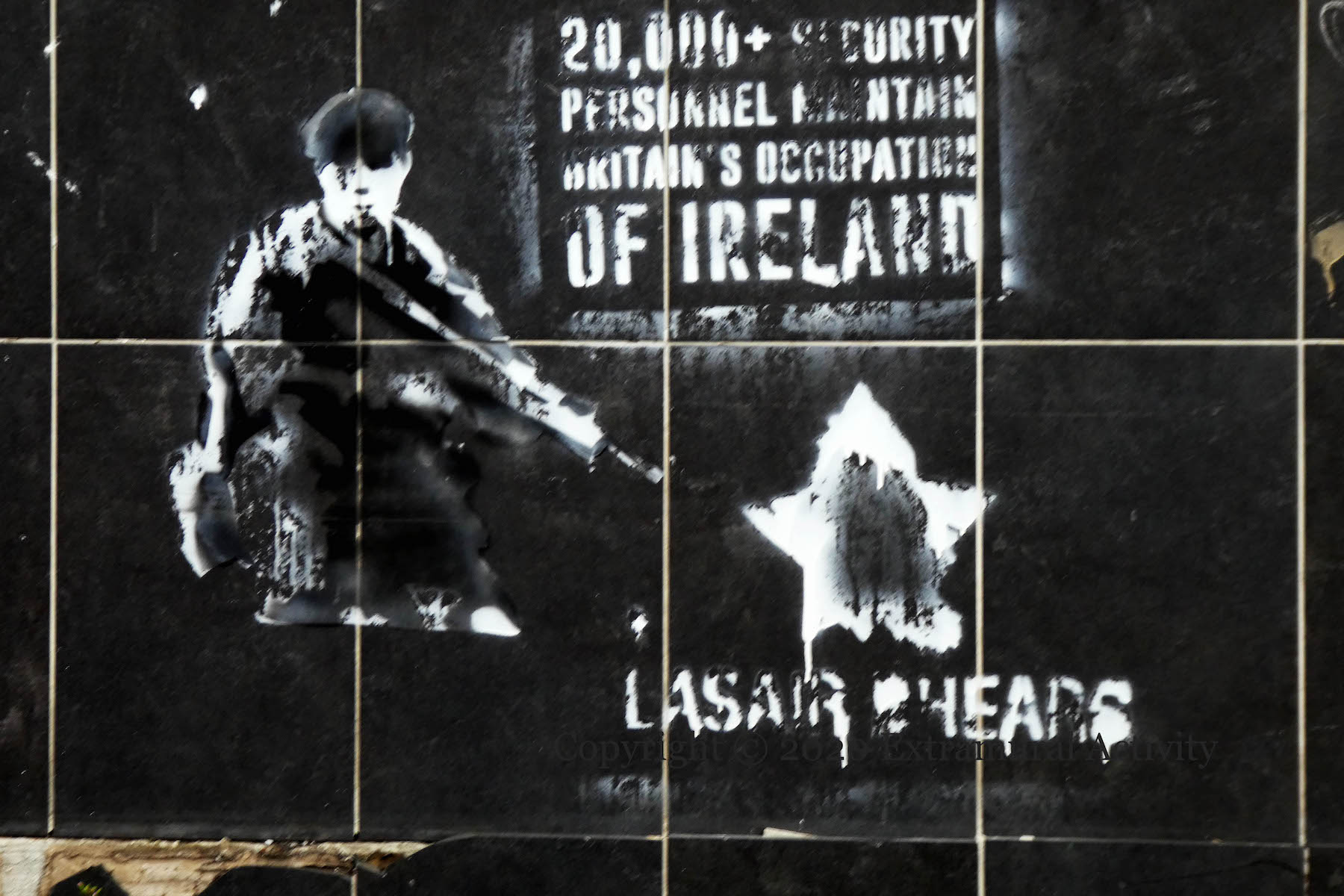
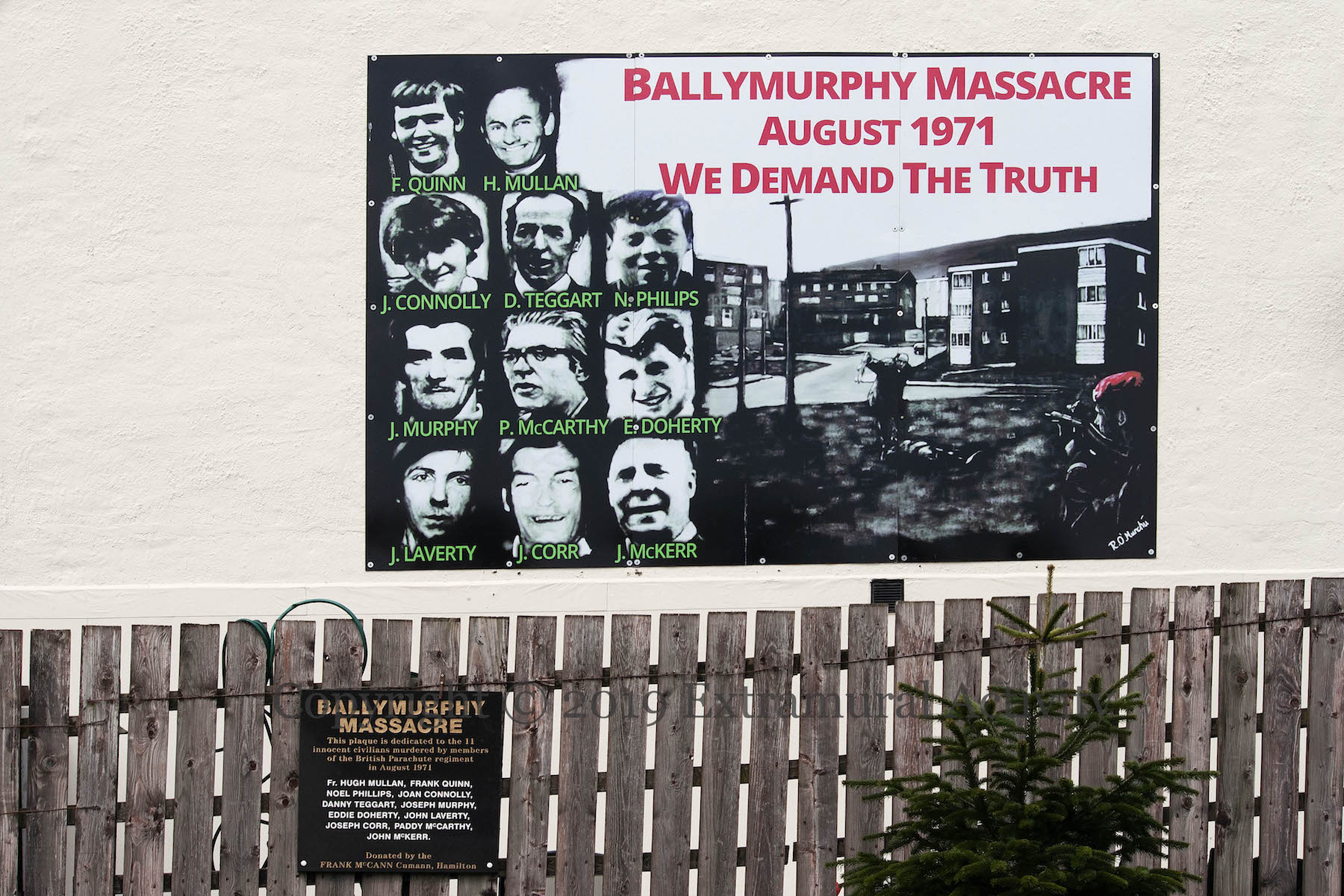
The starting-point for the Ballymurphy Massacre tour (below) is on the so-called International Wall (at the corner of Divis Street and Northumberland Street) but the first site is two miles away, in Springfield Close. The third stop, shown above, commemorates the lives of Joseph Corr and John Laverty, killed in separate incidents by British Army paratroopers (distinguished by their red berets) on August 11, 1971, at the top of the Whiterock Road.
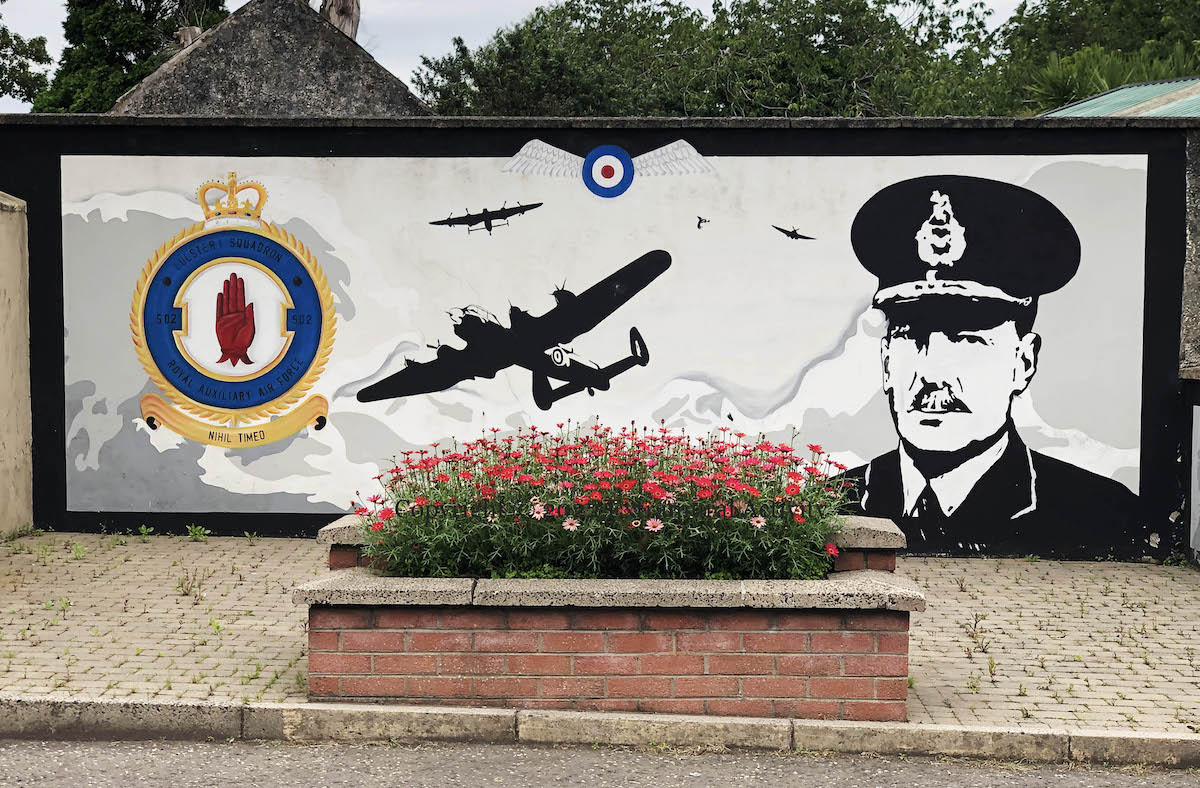
The Royal Air Force was established on April 1st, 1918 and in 1925 the 502 (Ulster) Squadron was formed at Aldergrove as a Special Reserve squadron (and later as an Royal Auxiliary Air Force squadron). The squadron flew bombing raids against enemy submarines and ships during the second World War, from a succession of bases, including Limavady, Norfolk, Cornwall, and Stornoway (WP). (The plane depicted is perhaps a Halifax from later in the war. The officer depicted is perhaps Robert Oxland, the first commanding officer.) The mural above, in Main Road, Glynn, was unveiled on August 20th, 2018 (Roy Beggs) to commemorate the Force’s 100th anniversary.
“Ballyclare supports Soldier ‘F’. Our soldiers are heroes, not criminals.” “Soldier F” is the pseudonym of a British Army paratrooper who faces charges of murdering two civilians, William McKinney and Jim Wray, in Derry on Bloody Sunday (January 30th, 1972), as well as five counts of attempted murder. Proceedings began in September (BelTel), a witness list was presented in December (BBC-NI), and the case will resume on January 17th.
“We support all Ulster’s soldiers.” The UDA and the UDR brought under the same umbrella of “Ulster’s defenders” in Charles Drive, Ballyclare. The UDR was established in 1970 to relieve the RUC and B Specials of military operations and was disbanded in 1992, in part because it was only 3% Catholic and 5-15% of members had links to loyalist paramilitaries (Irish News).
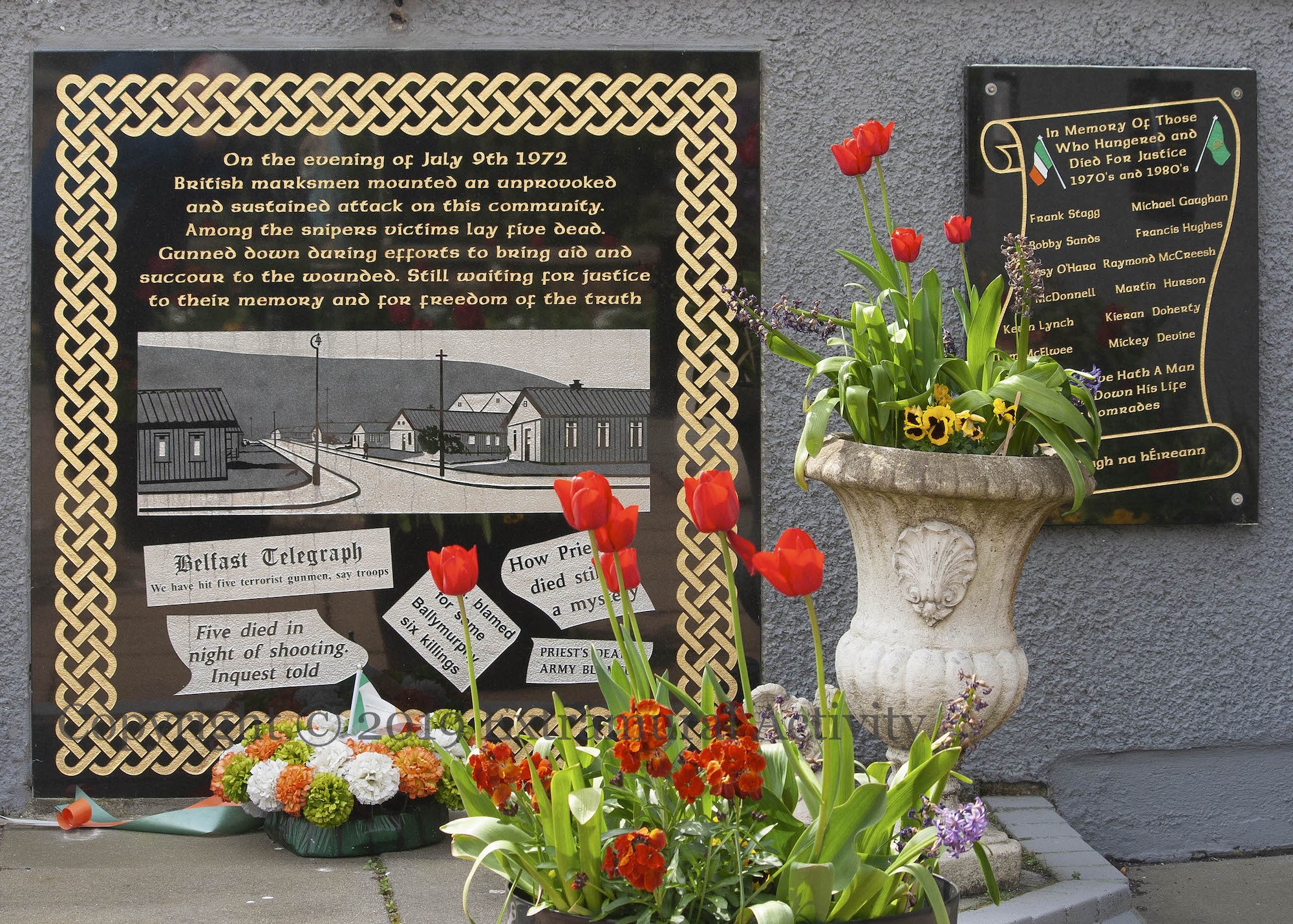
The Westrock bungalows were aluminium prefab houses built in 1949 during the post-war housing shortage next to Springhill and Ballymurphy. British troops fired on the area from the high position of Corry’s timber yard in the summer of 1972; their bullets could go through the walls. Five people were shot dead, including a priest. The plaques shown are new additions to the memorial garden in Westrock Drive.
“On the evening of July 9th 1972 British marksmen mounted an unprovoked and sustained attack on this community. Among the snipers[‘] victims lay five dead. Gunned down during efforts to bring aid an succour to the wounded. Still waiting for justice to their memory and for freedom of the truth.”
Petitions with over 100,000 signature must be debated by Westminster MPs. At 4:30 this afternoon MPs will debate (without voting) a petition to give British soldiers – and particularly paratroopers who served in Northern Ireland during the Troubles – immunity. Supporters of granting immunity are upset by recent reports on government policy (from Defence Secretary Penny Mordaunt) suggesting that service in the North will not be included in any such bill (BelTel) and/because paramilitaries would also be included (Shropshire Star). See previously: Stop The Witch Hunt.
The poster above (at the top of the Shankill) from a group calling itself Northern Ireland Crown Forces Veterans For Justice, calls for people to rally in support of soldier. “We demand that the British Government must enact protective legislation, whilst they are engaged in the Defence of our Country and its People. This must cover Past, Present & Future deployments. We also demand that the British Government rescind the findings of the discredited Saville Inquiry, and the apologies made by Politicians, which were not made in our name.”
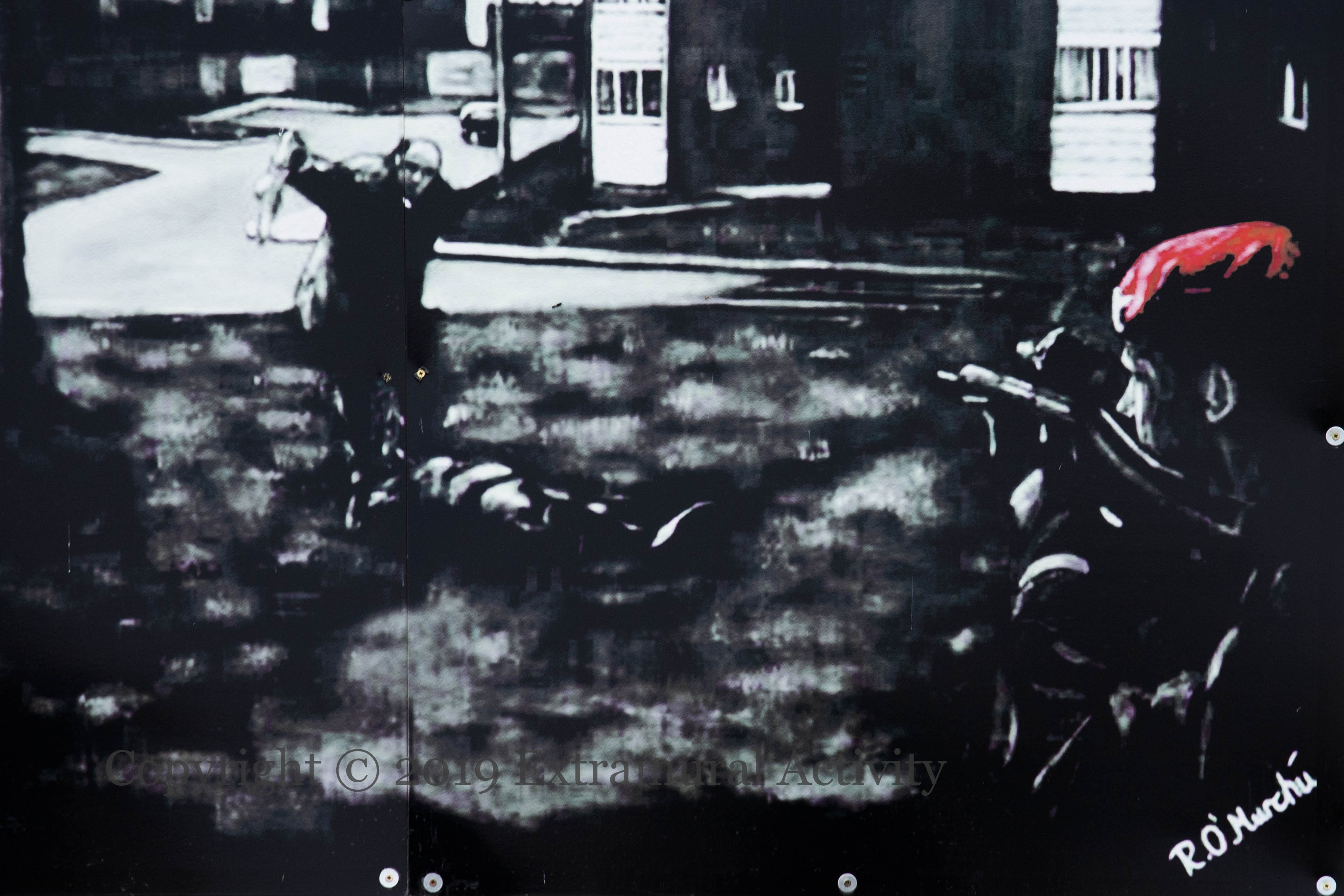
The inquest into the Ballymurphy Massacre – the killings of 11 people from August 9th to 11th, continues, with testimony this past week from former Paratrooper Henry Gow (Irish News | BBC-NI). The image above shows Hugh Mullan being shot from Springmartin while going to the aid of a neigbour, Bobby Clarke; he is waving a white Babygro (BallymurphyMassacre.com). The Paratrooper is distinguished by his red beret.
The mural was originally painted by Rısteard Ó Murchú in 2008 and displayed first on the Whiterock Road then around the corner on the Springfield Road; the location of the repainted board is at the Glenalina Road entrance to the area, in the spot of the former 1916 GPO mural (which had lasted seventeen years before the wall was re-plastered and whitewashed in 2017).
“This plaque is dedicated to the 11 innocent civilians murdered by members of the British Parachute regiment in August 1971. Fr Hugh Mullan, Frank Quinn, Noel Phillips, Joan Connolly,
Danny Teggart, Joseph Murphy, Eddie Doherty, John Laverty, Joseph Corr, Paddy McCarthy, John McKerr. Donated by the Frank McCann Cumann, Hamilton [Scotland] (Fb).”
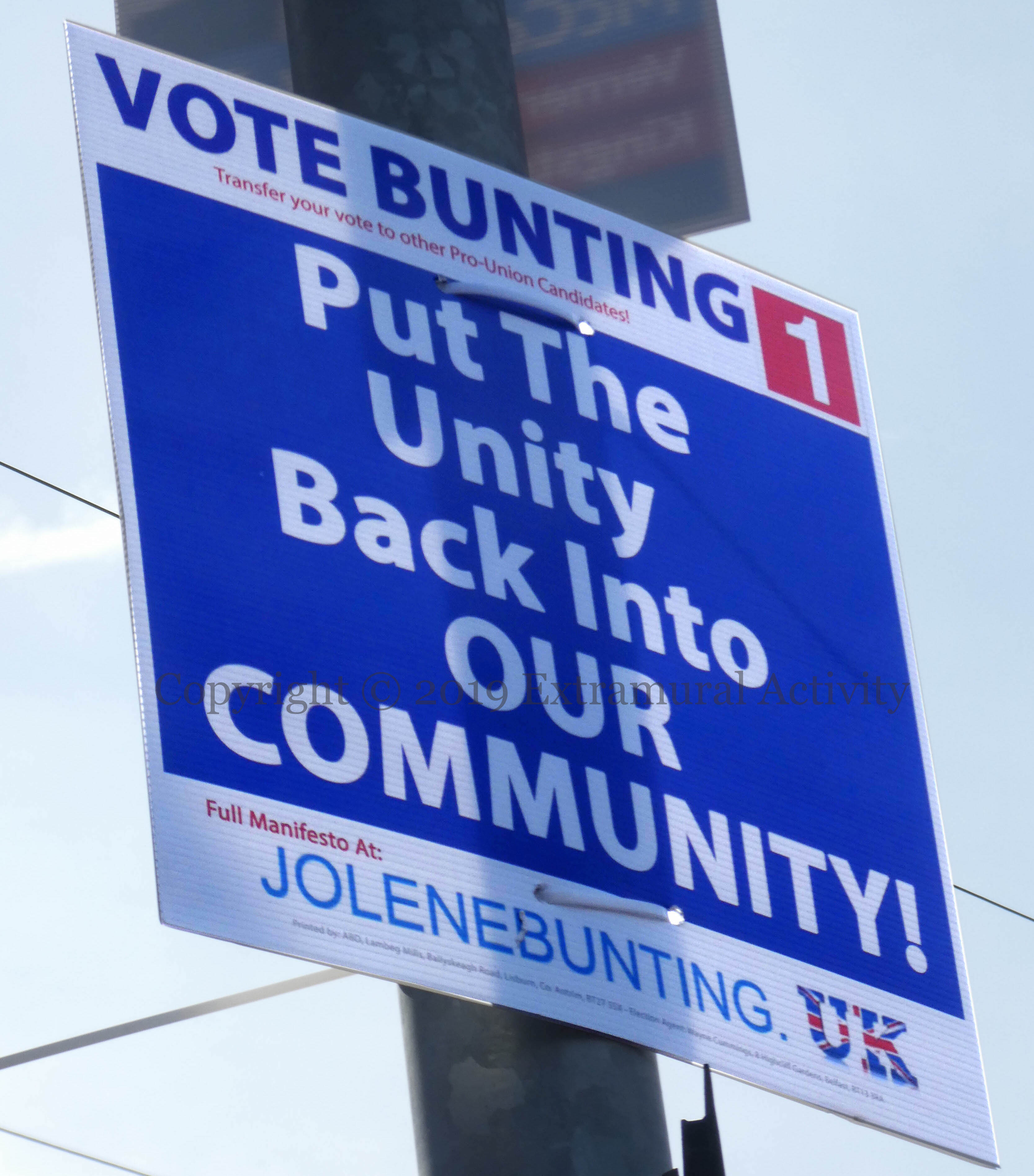
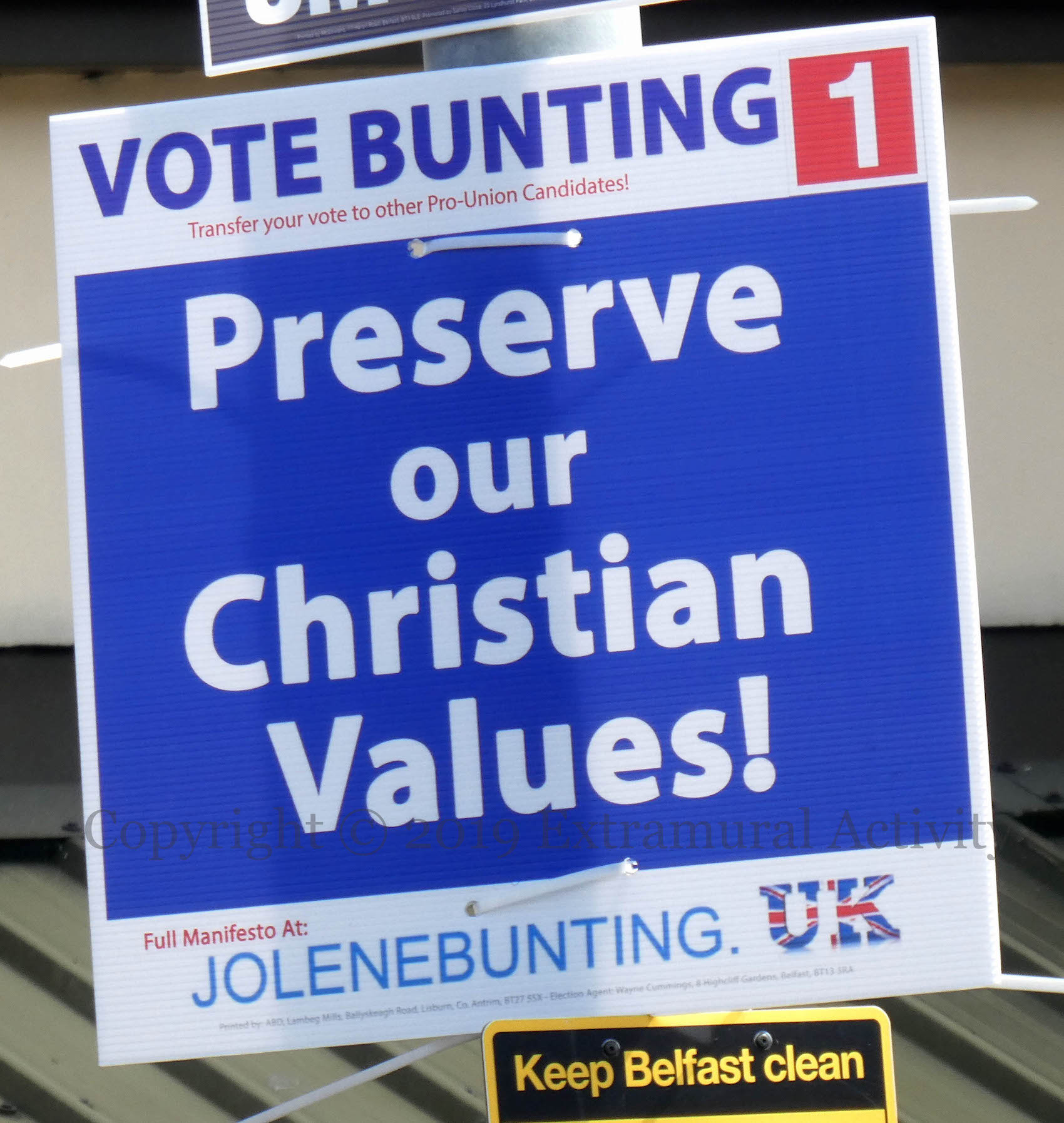
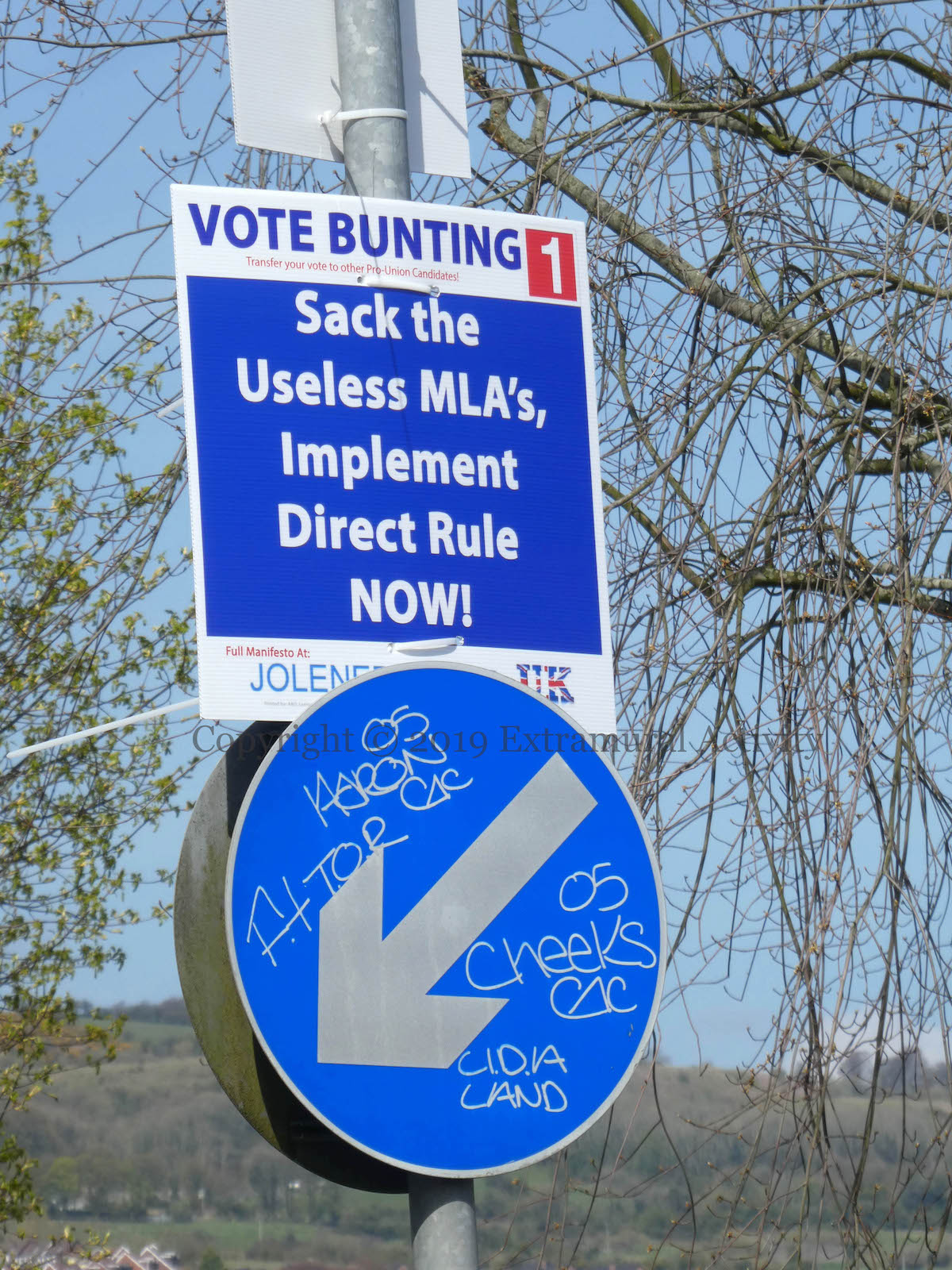
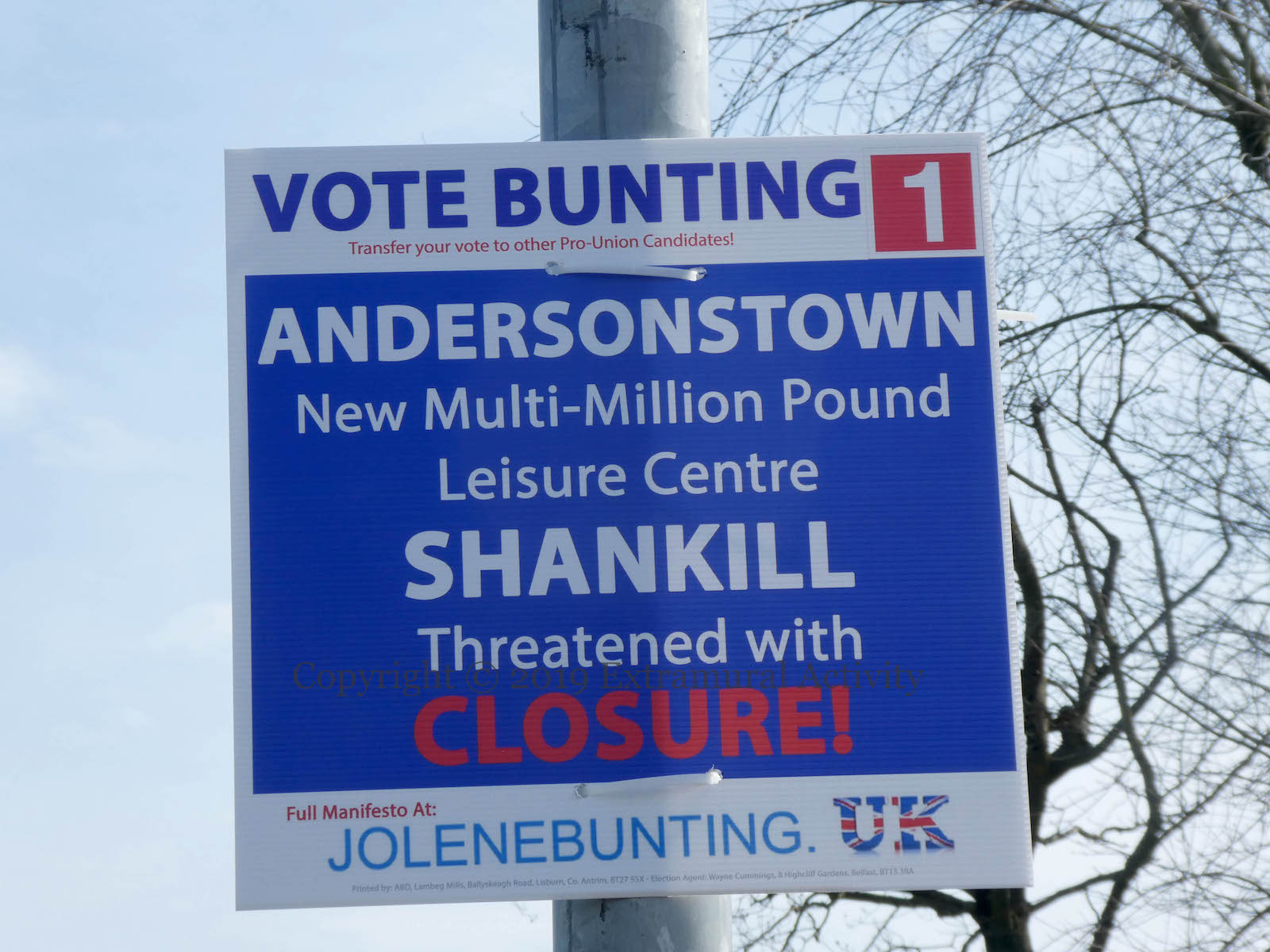
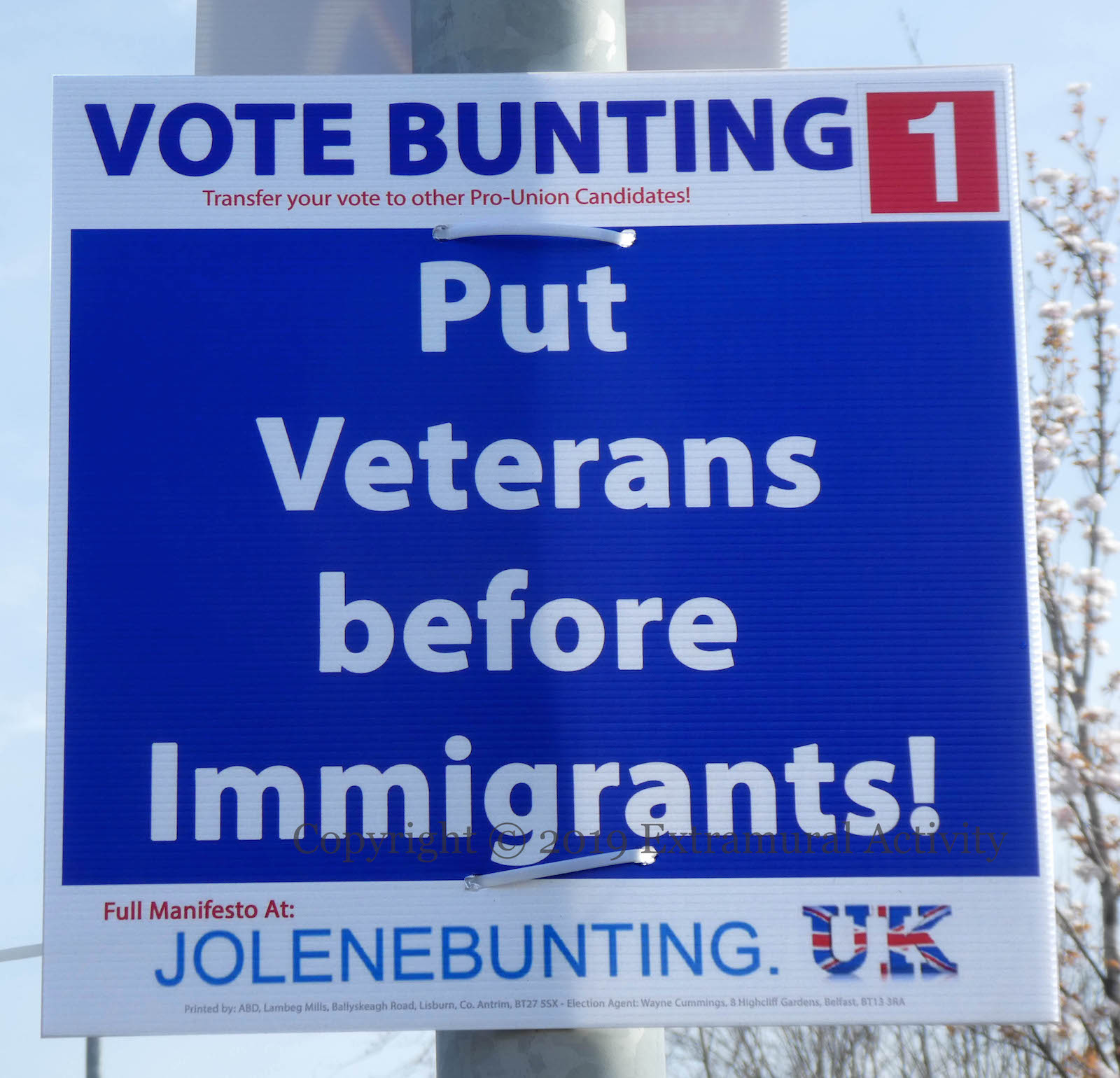
By the end of today counting in the local council elections should be completed. Candidates in Belfast are vying for one of 60 seats on the city council, including former TUV but now independent candidate Jolene Bunting in the Court district. Will voters identify with her message of conservative values and feelings of persecution? This is the second selection of Bunting’s posters – see previously Not Politically Correct. (For ‘Soldier F’ see Stop The Witch-Hunt; for ‘IRA terrorists’ on the council, see Vote All Unionist.)
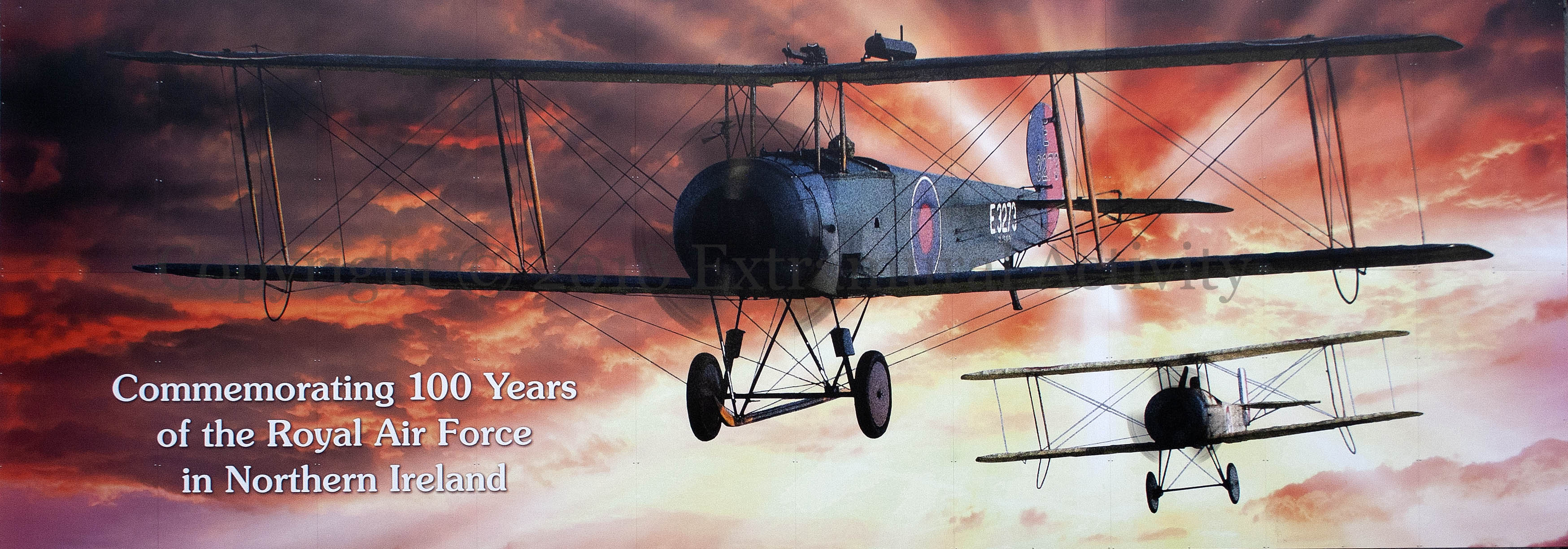
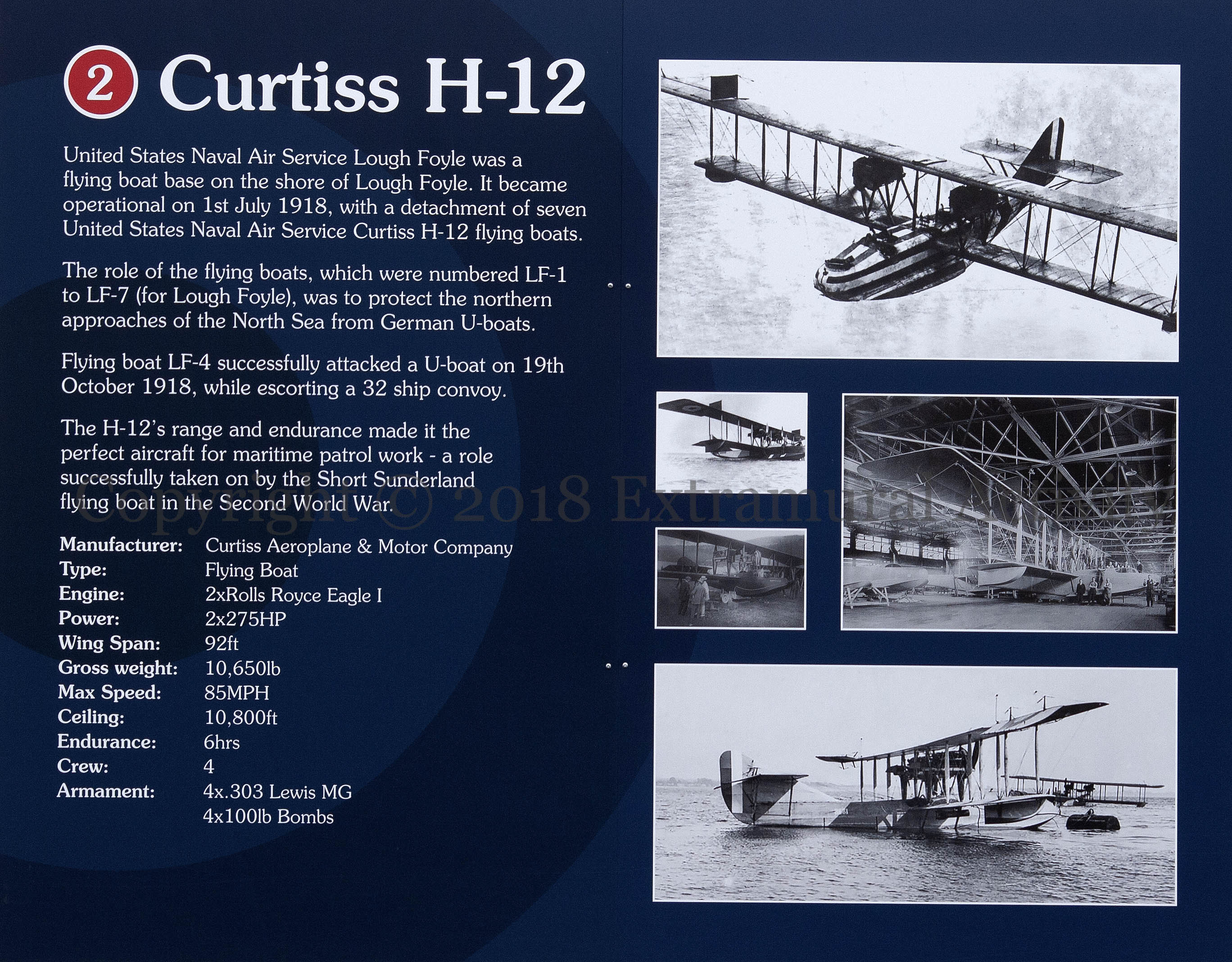
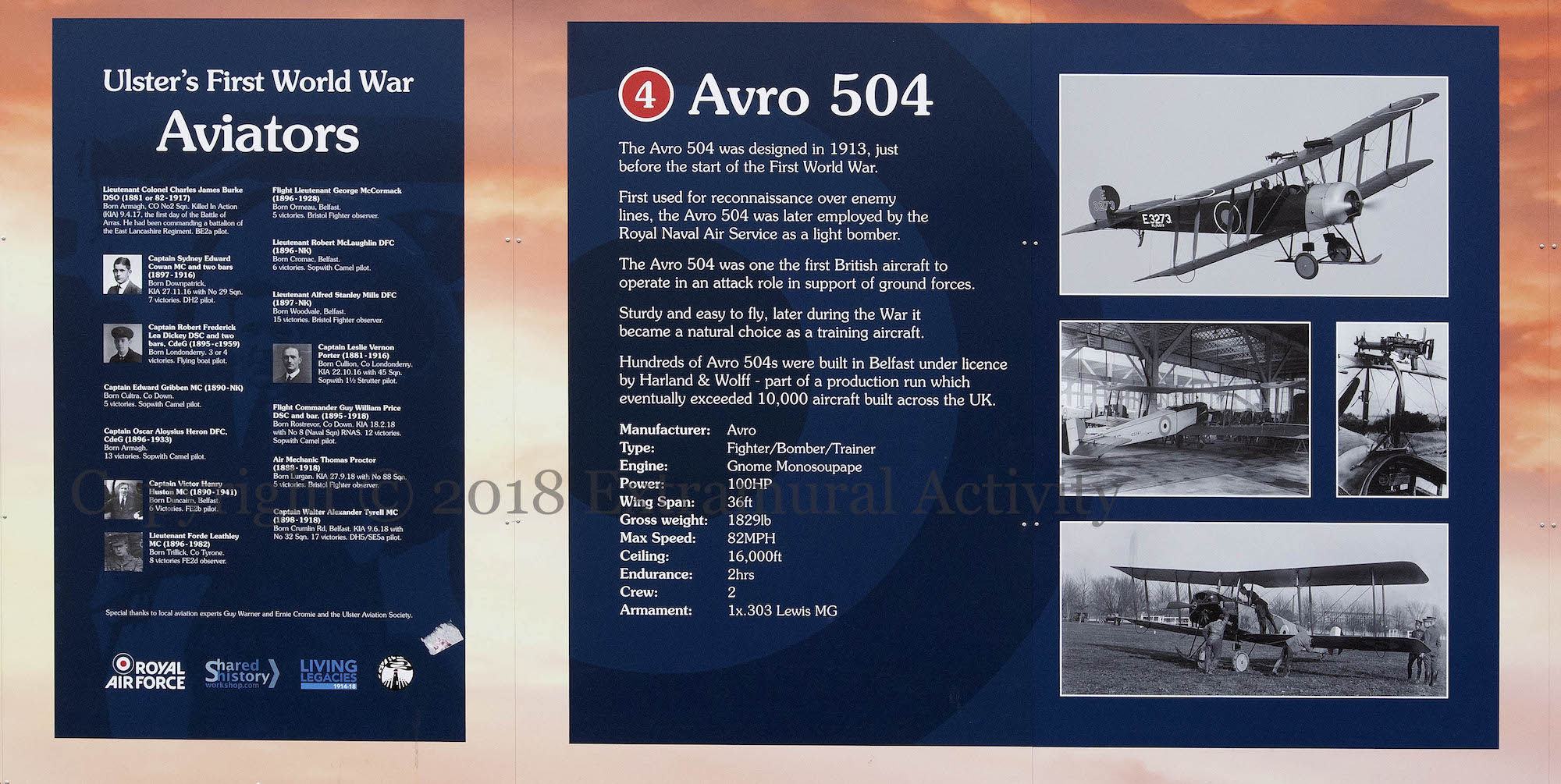
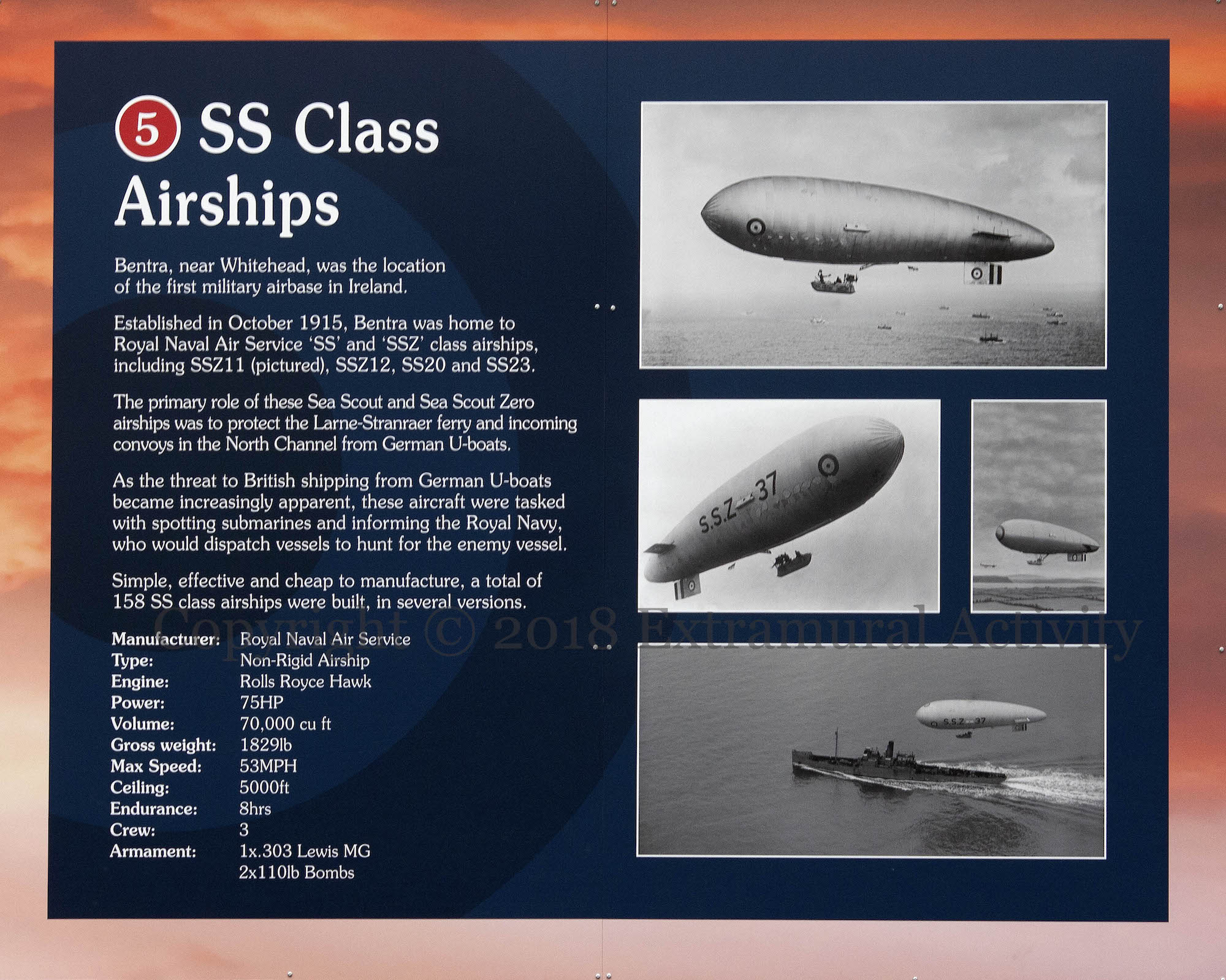
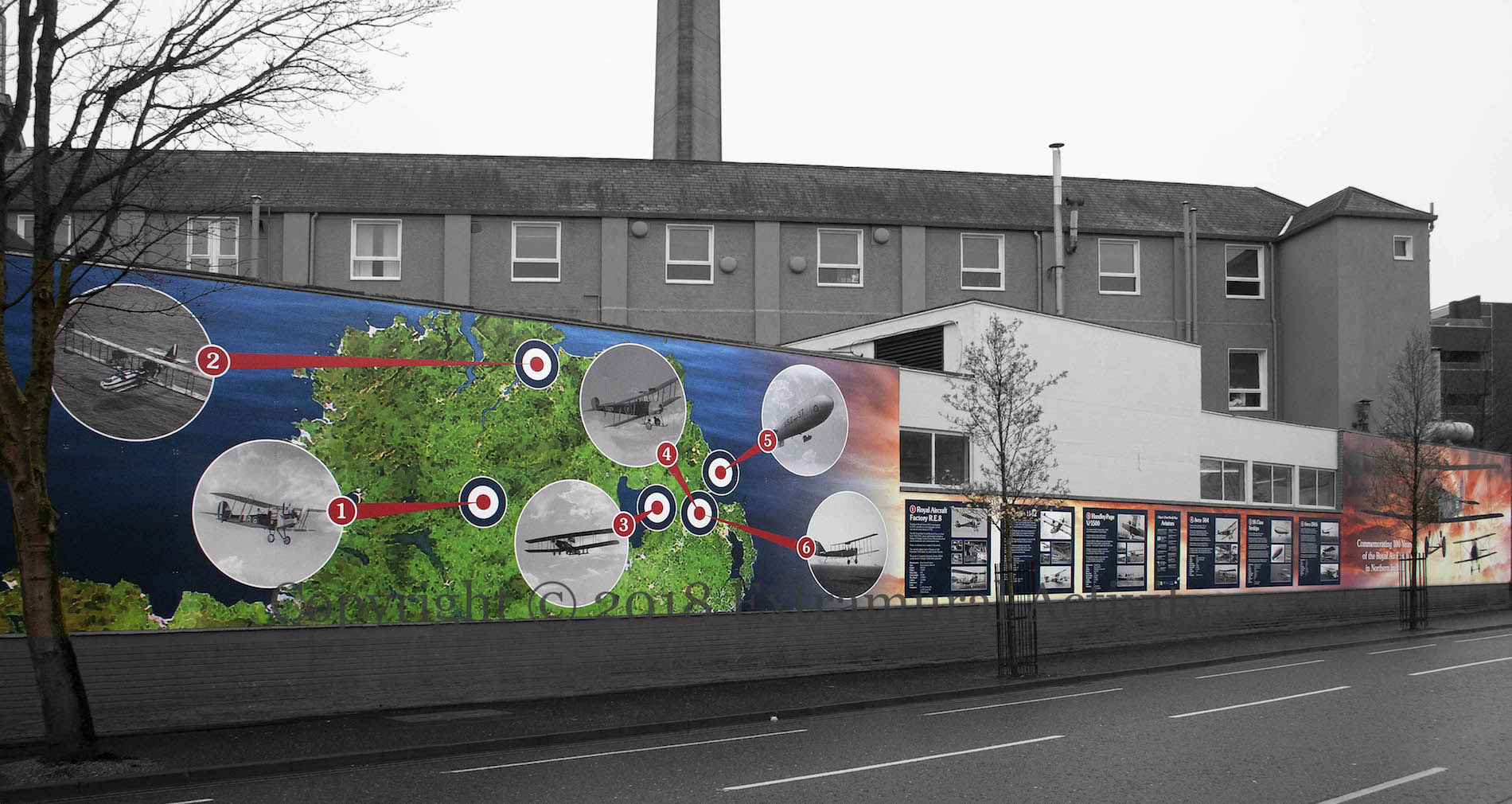
“Commemorating 100 years of the Royal Air Force in Northern Ireland.” This Donegall Road mural highlights six locations in the north and their connection to the RAF in WWI, including Bentra, near Whitehead, home to the Sea Scout airships that guarded Larne-Stranraer ferries against U-boats.













 Extramural Activity