
Religious vandalism, putting Jesus above “club and country” and loyalist paramilitarism, in south Belfast.

Click image to enlarge
Copyright © 2017 Seosamh Mac Coılle
X04186 X04187
Religious vandalism, putting Jesus above “club and country” and loyalist paramilitarism, in south Belfast.
Click image to enlarge
Copyright © 2017 Seosamh Mac Coılle
X04186 X04187
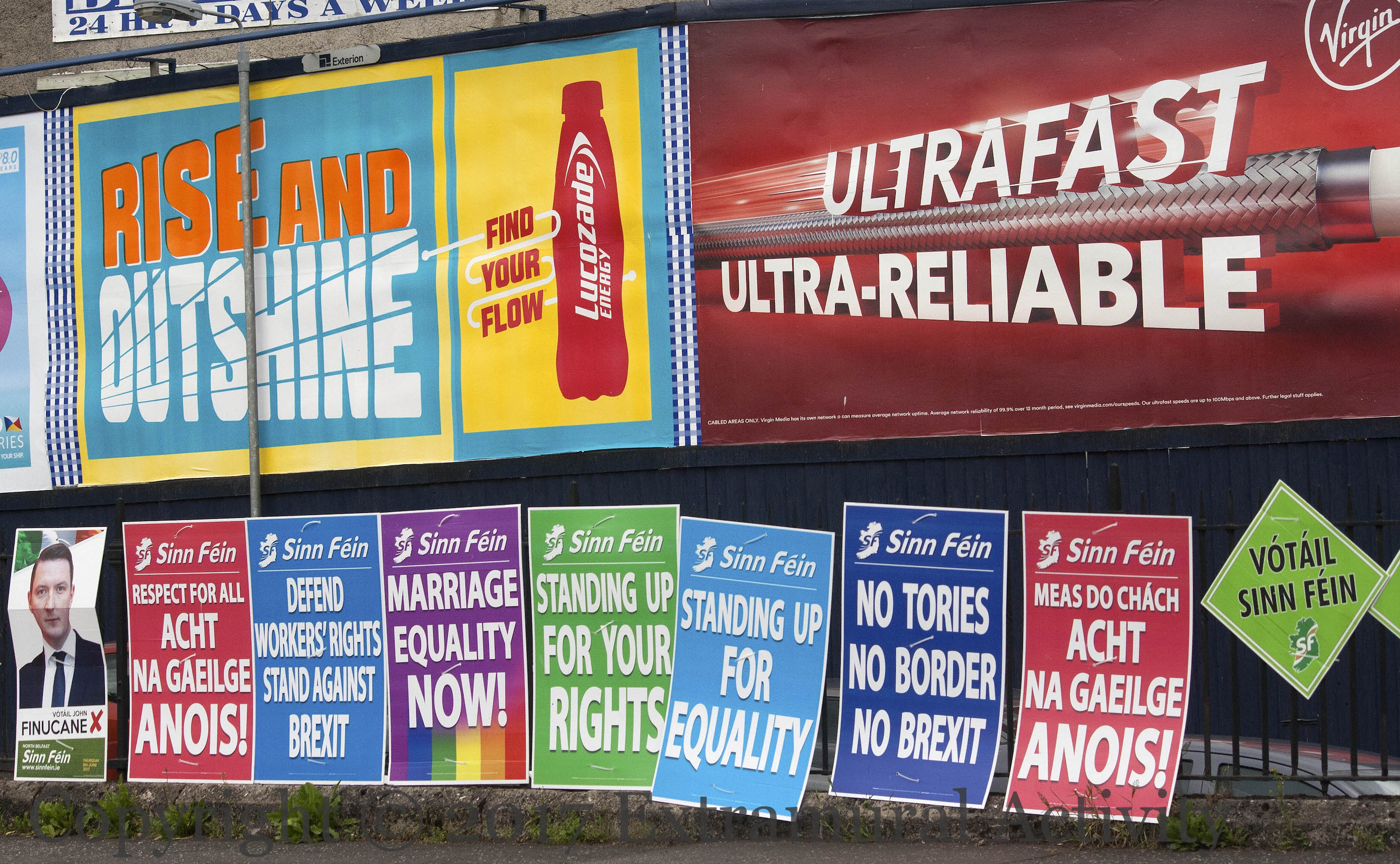
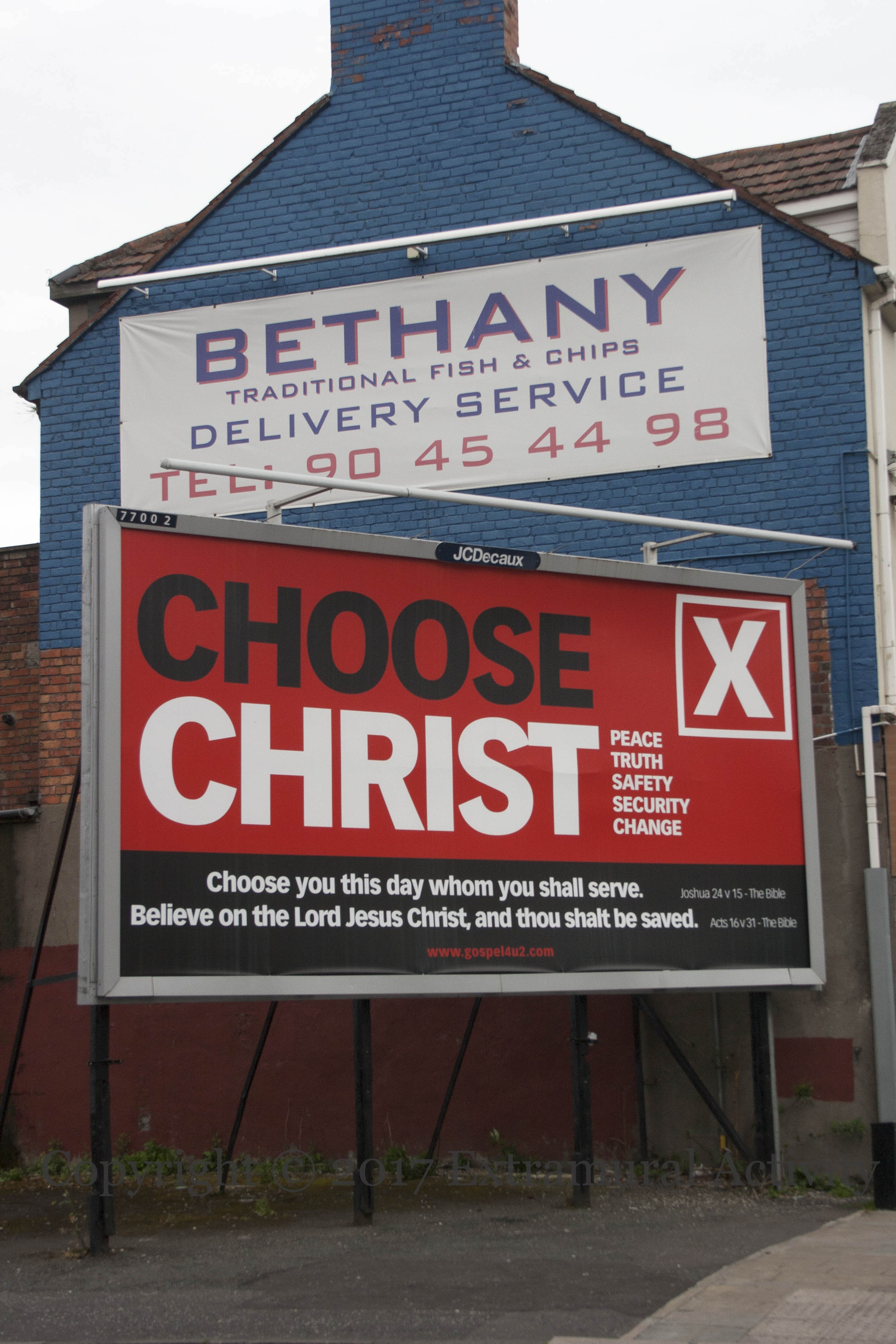
Here are two images from UK GE 2017. Above, Sınn Féın placards in a variety of bright colours (plus one for unsuccessful North Belfast candidate John Finucane). Below, “Choose Christ” and you could find both security and change!
Click image to enlarge
Copyright © 2017 Seosamh Mac Coılle
X04197 X04211 newtownards rd
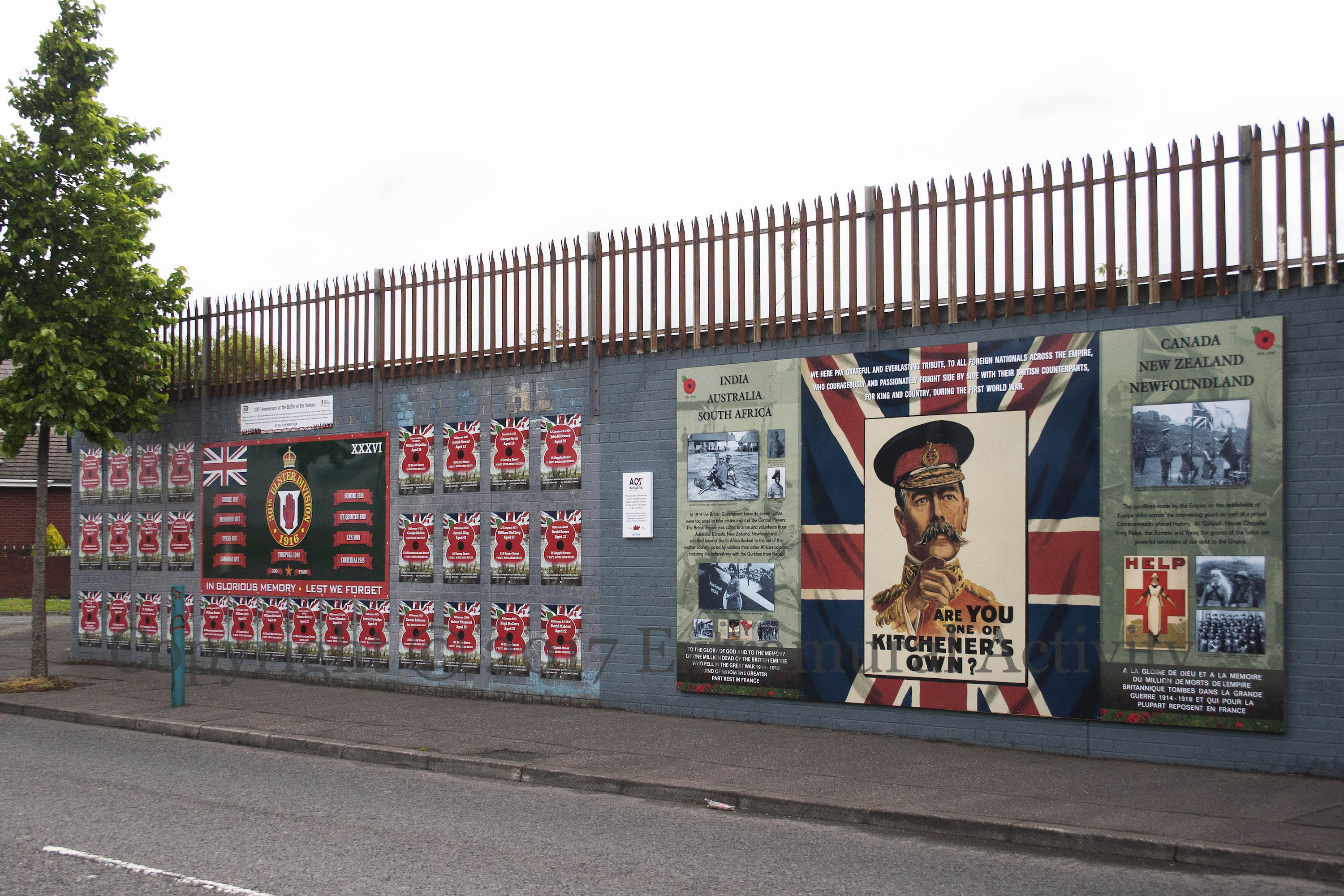
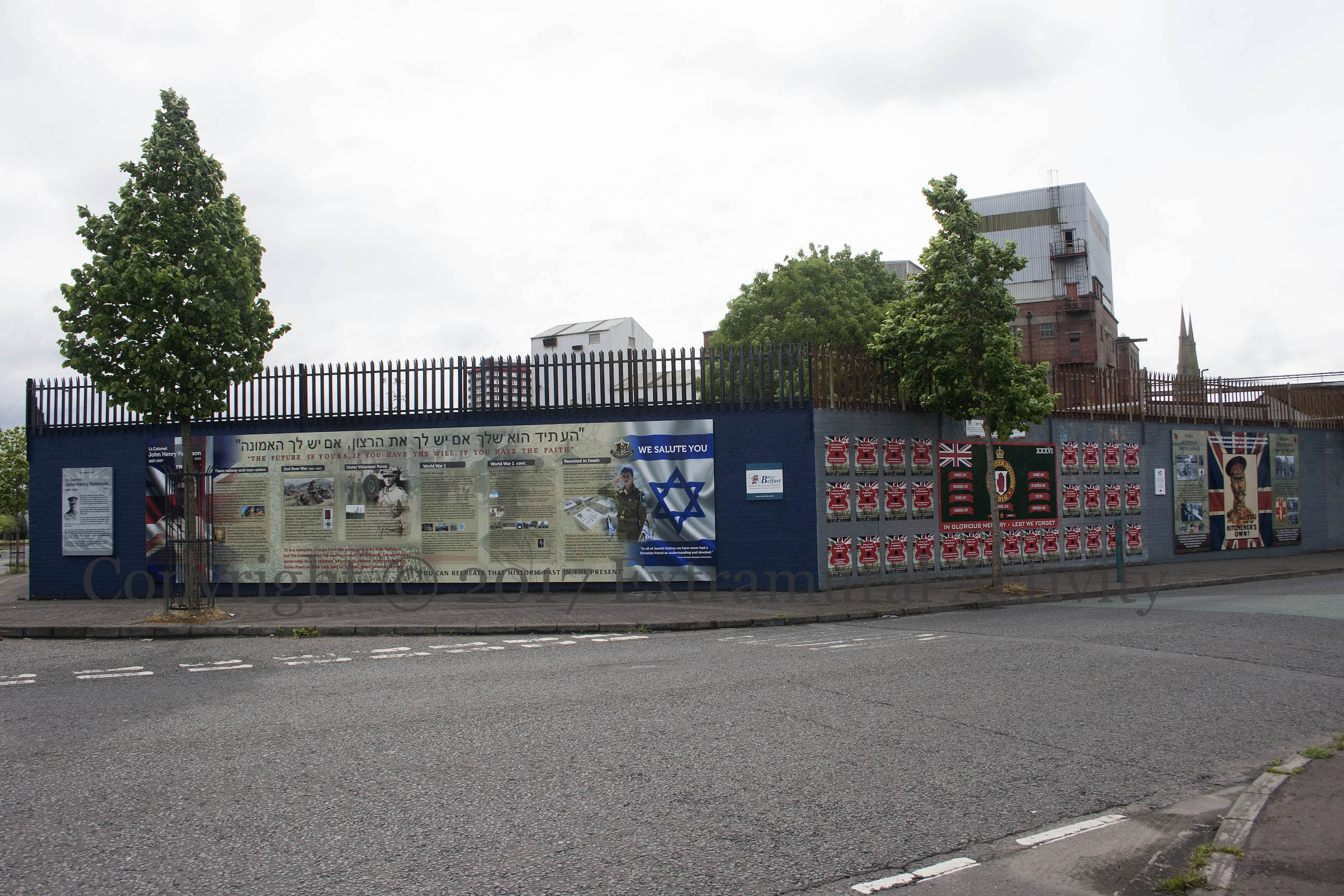
These two wide shots are from the junction of Northumberland and Beverly streets, where the new Kitchener board joins poppies for soldiers of the the 36th (Ulster) Division on the 100th anniversary of the Somme and the (repaired) John Henry Patterson – godfather of the Israeli army – board.
Click image to enlarge
Copyright © 2017 Extramural Activity
X04200 X04203

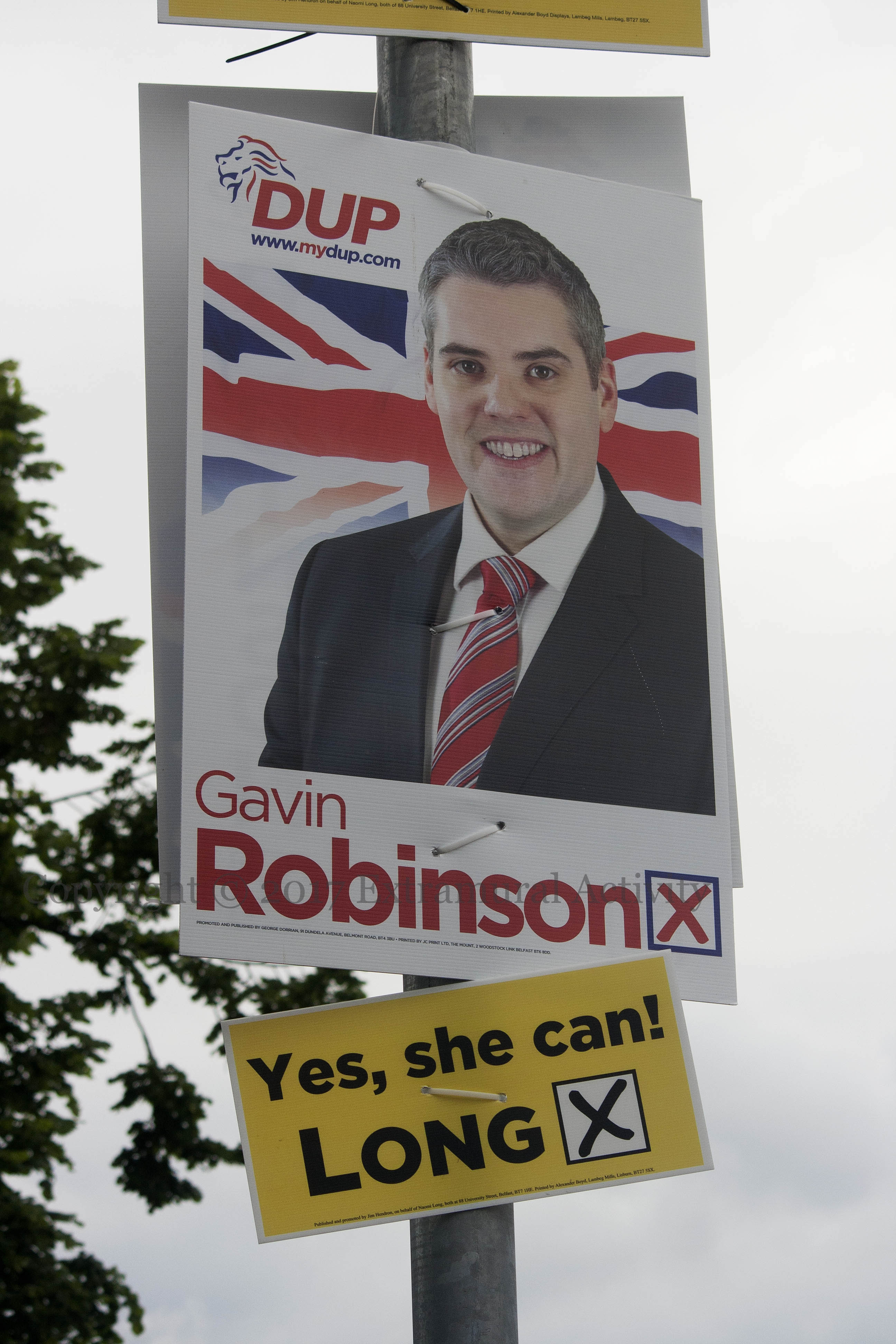
“The Stormont swamp is irreformable”, claims the TUV election manifesto. “It’s time to drain it.” The expression “drain the swamp” in politics goes back to (at least) 1903 when it was used by an American socialist in reference to capitalistic influence in and is borrowed from the literal practice of draining swamps in order to reduce mosquitoes, and so, malaria.
Another Americanism is shown in the second image: Barak Obama’s “Yes we can” became Hillary Clinton’s “Yes, she can”, which Naomi Long (Alliance), the #gingerninja, is using for her own campaign.
Polls are open today from 7 a.m. to 10 p.m.
Click image to enlarge
Copyright © 2017 Seosamh Mac Coılle
X04207 X04216
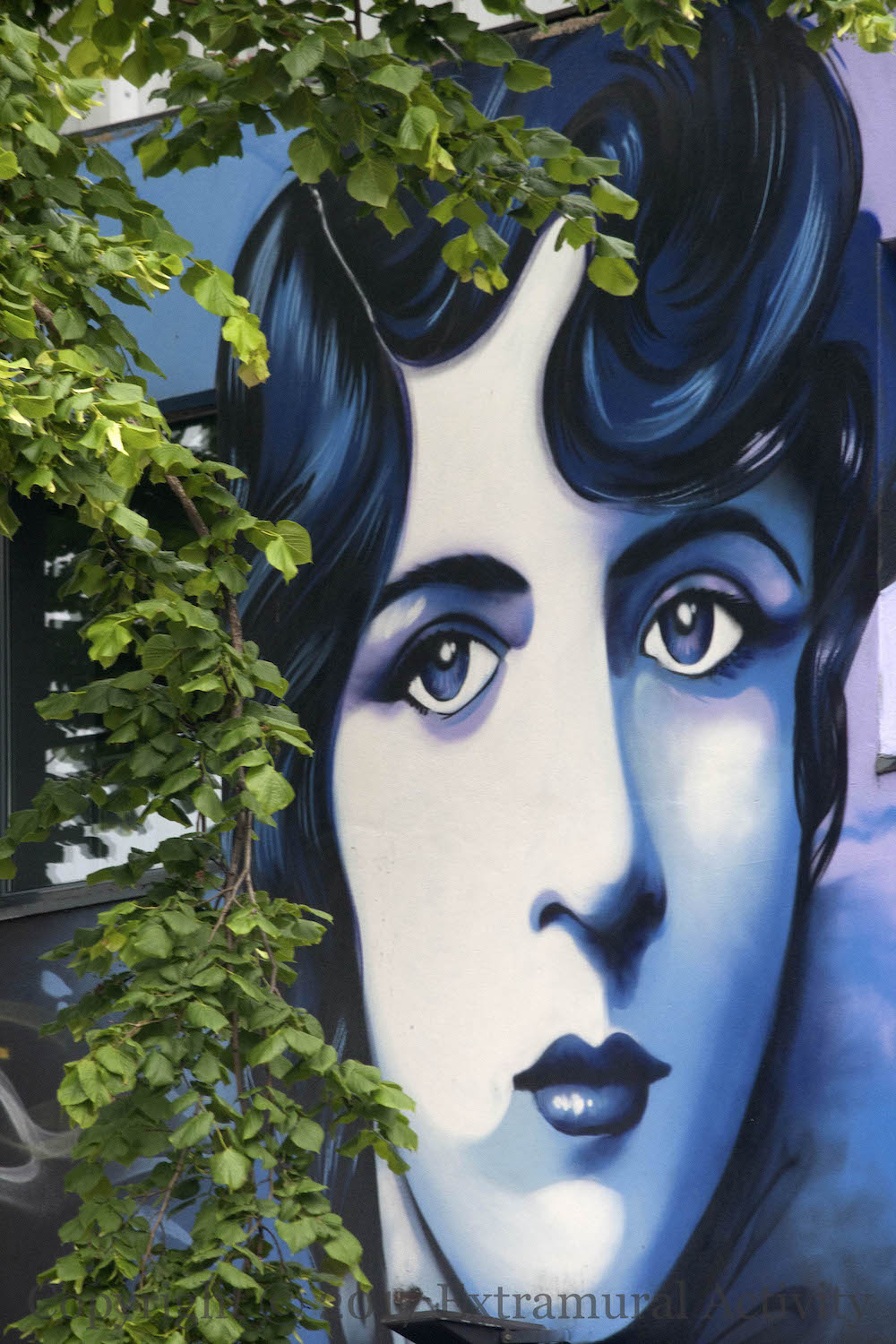
This is one of the four murals at the Stoker’s Halt, on the Upper Newtownards Road, probably by DMC (Dermot McConaghy). The others are JMK’s old man (see Wrinkle In Time), Be Nice by Verz, and The Stoker himself, also by Verz.
Click image to enlarge
Copyright © 2017 Seosamh Mac Coılle
X04217

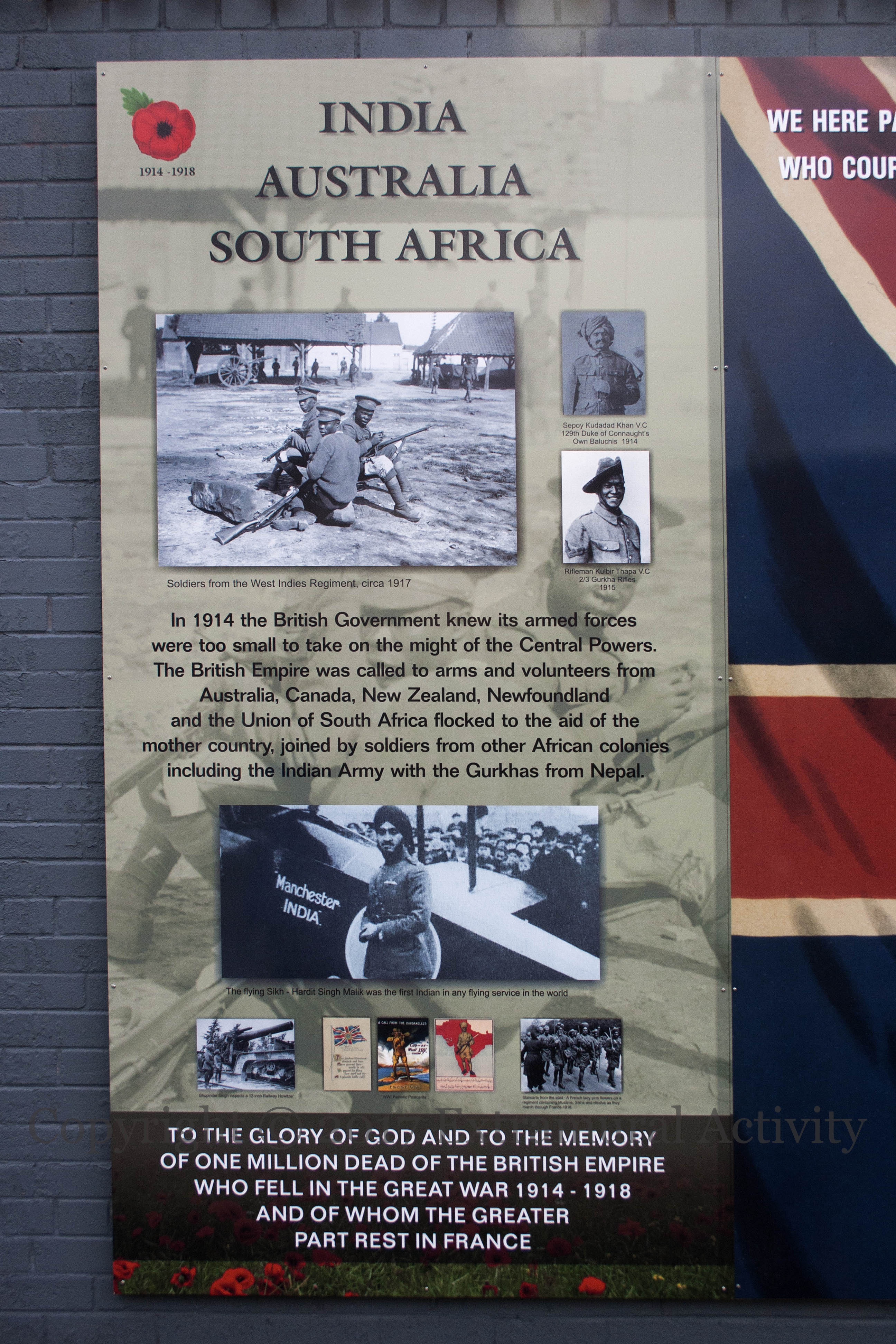
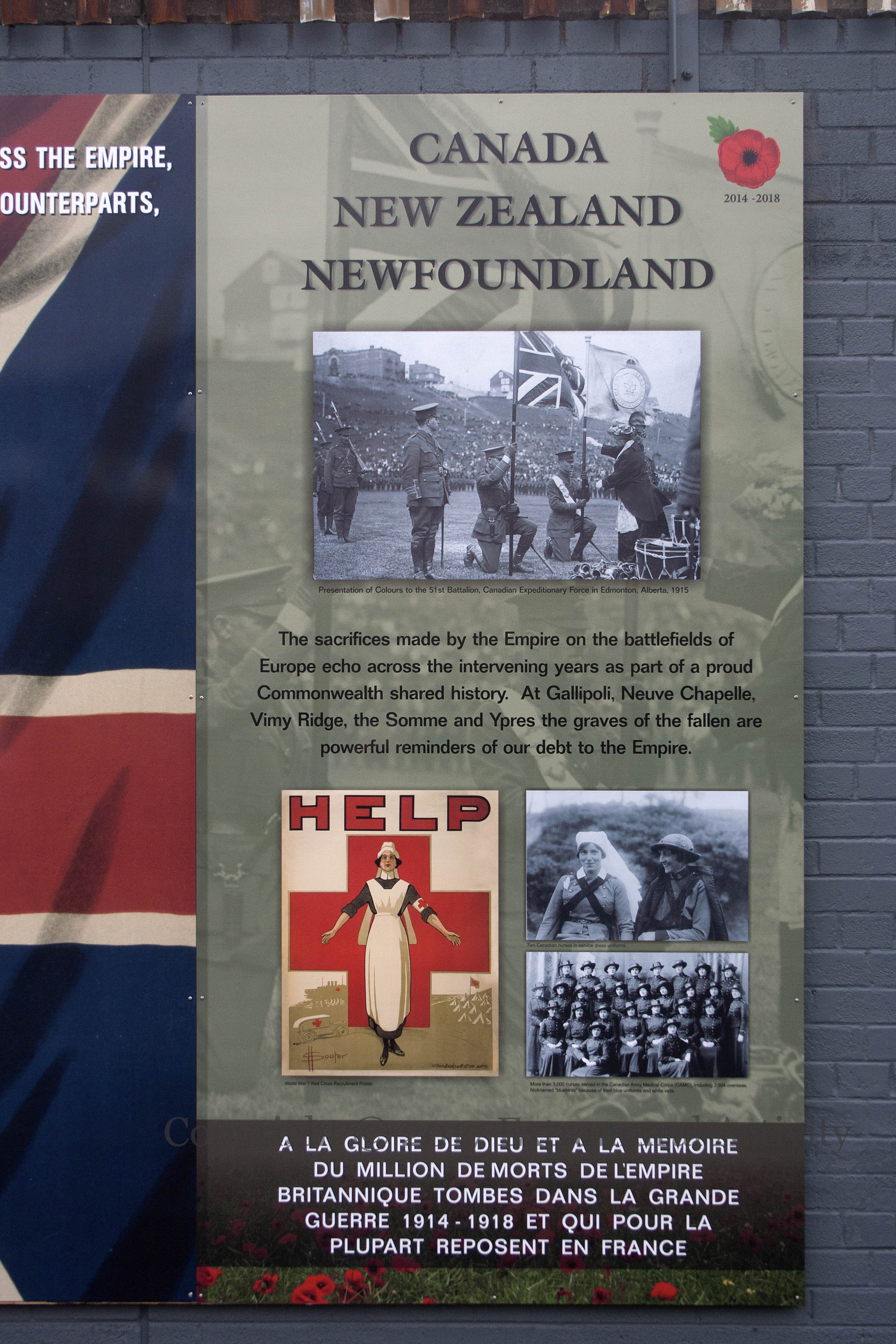
“Are you one of Kitchener’s own?” asks a new mural in Northumberland Street: “We here pay grateful and everlasting tribute, to all foreign nationals across the empire, who courageously and passionately fought side by side with their British counterparts, for King and country, during the First World War.” The left-hand side (second image) features images of soldiers from the West Indies and India, including “The Flying Sikh”, Hardit Singh Malik and a French lady as she “pins flowers on a regiment containing Muslims, Sikhs, and Hindus.” On the right, images of the “presentation of Colours to the 51st Battalion Canadian expeditionary force” and of Canadian “bluebird” nurses in the Canadian Army Medical Corps.
Replaces (part of) Welcome To The Shankill. See Belfast Live for an image from the launch.
Click image to enlarge
Copyright © 2017 Seosamh Mac Coılle
X04199 X04201 X04202 India Australia, Canada, New Zealand, Newfoundland, and the Union of South Africa. one million dead in the great war rest in France “A la gloire de dieu et a la memoire du million de morts de l’empire britannique tombes dans la grande guerre 191401918 et qui pour la plupart reposent en France.” Greater Shankill ACT
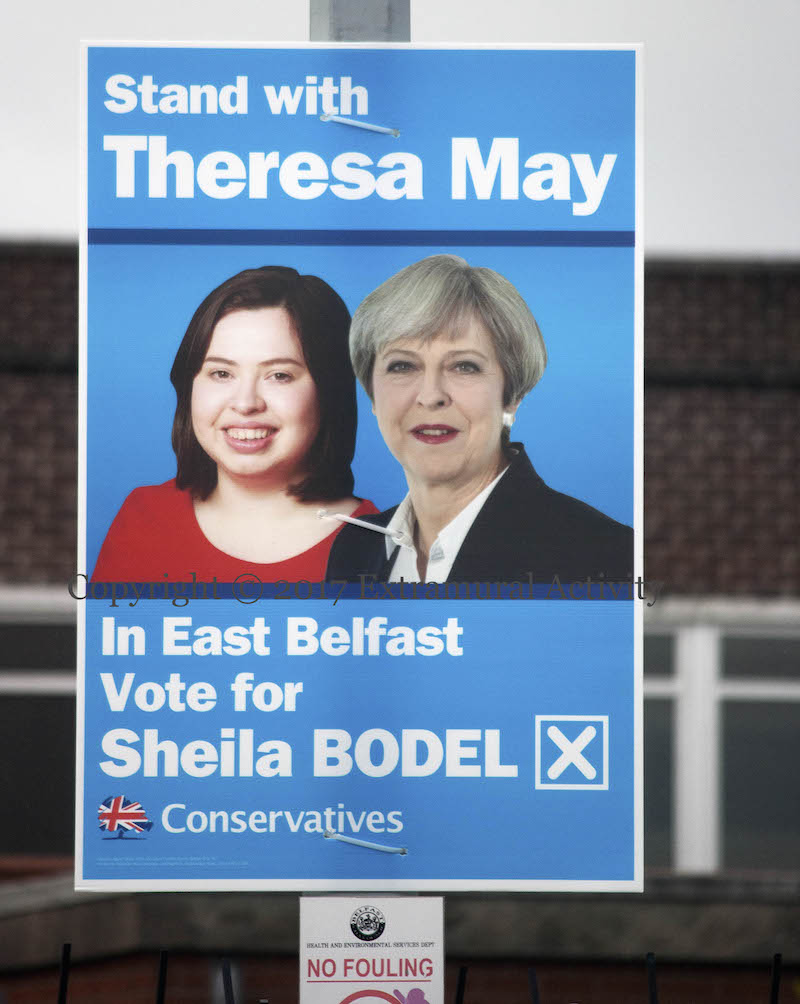
The UK general election takes place on Thursday (June 8th), only two years after the previous one. The (British) Conservative party hopes to increase its majority of 17 seats/votes. The NI Conservatives (web) are fielding candidates in 7 of the 18 seats but are not expected to contribute to the overall Conservative tally.
Click image to enlarge
Copyright © 2017 Seosamh Mac Coılle
X04208

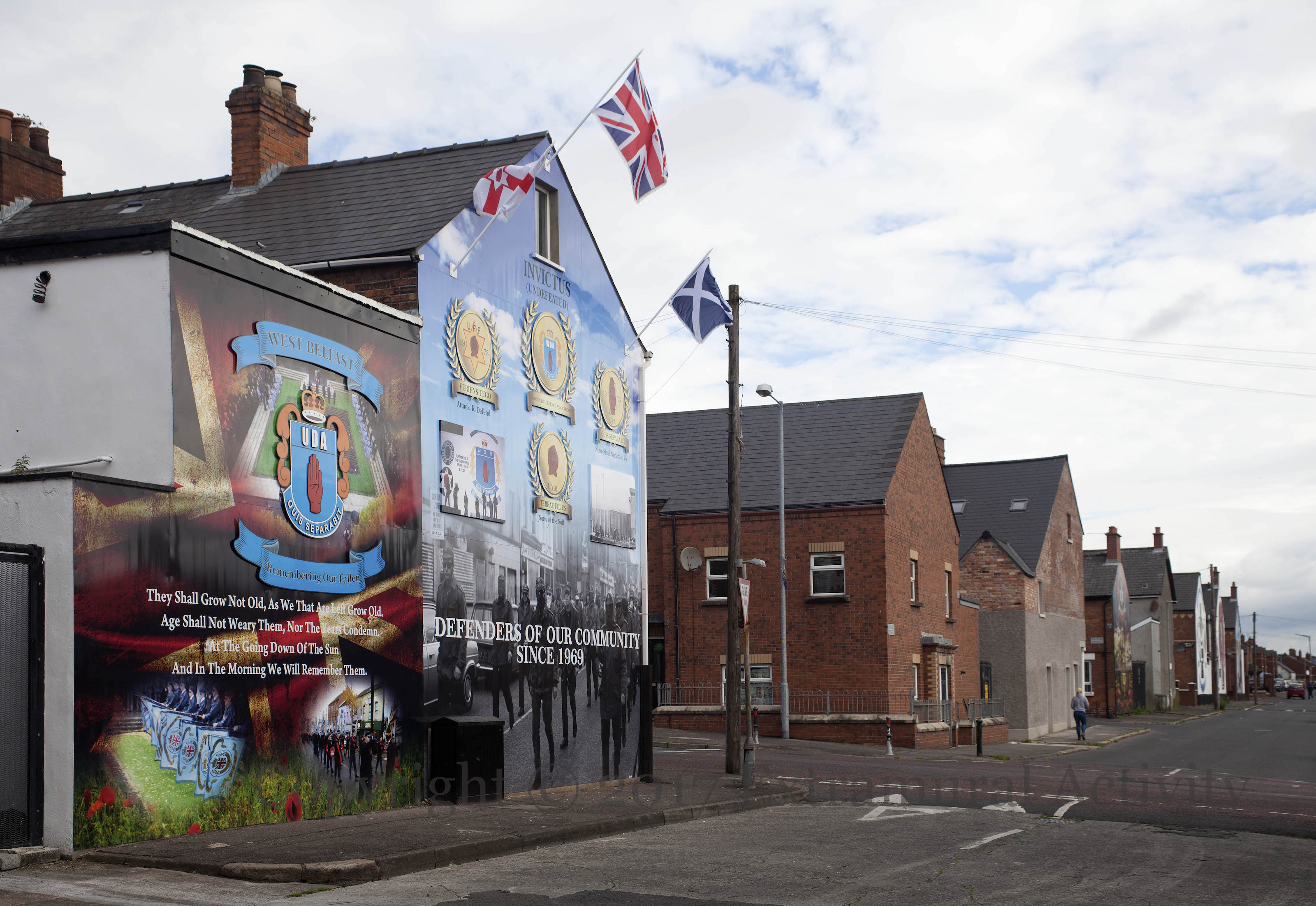
Here’s the left-hand side of the UDA mural in Disraeli Street being launched today (June 3rd, 2017). As can be seen most clearly in the final, sideways-on, image, both pieces are a combination of printed poster and attached boards. Lines from Laurence Binyon’s poem For The Fallen of WWI are used: “They shall grow not old, as we that are left grow old/Age shall not weary them, nor the years condemn. At the going down of the sun/And in the morning we shall remember them.”

Click image to enlarge
Copyright © 2017 Seosamh Mac Coılle
X04167 X04166 X04169

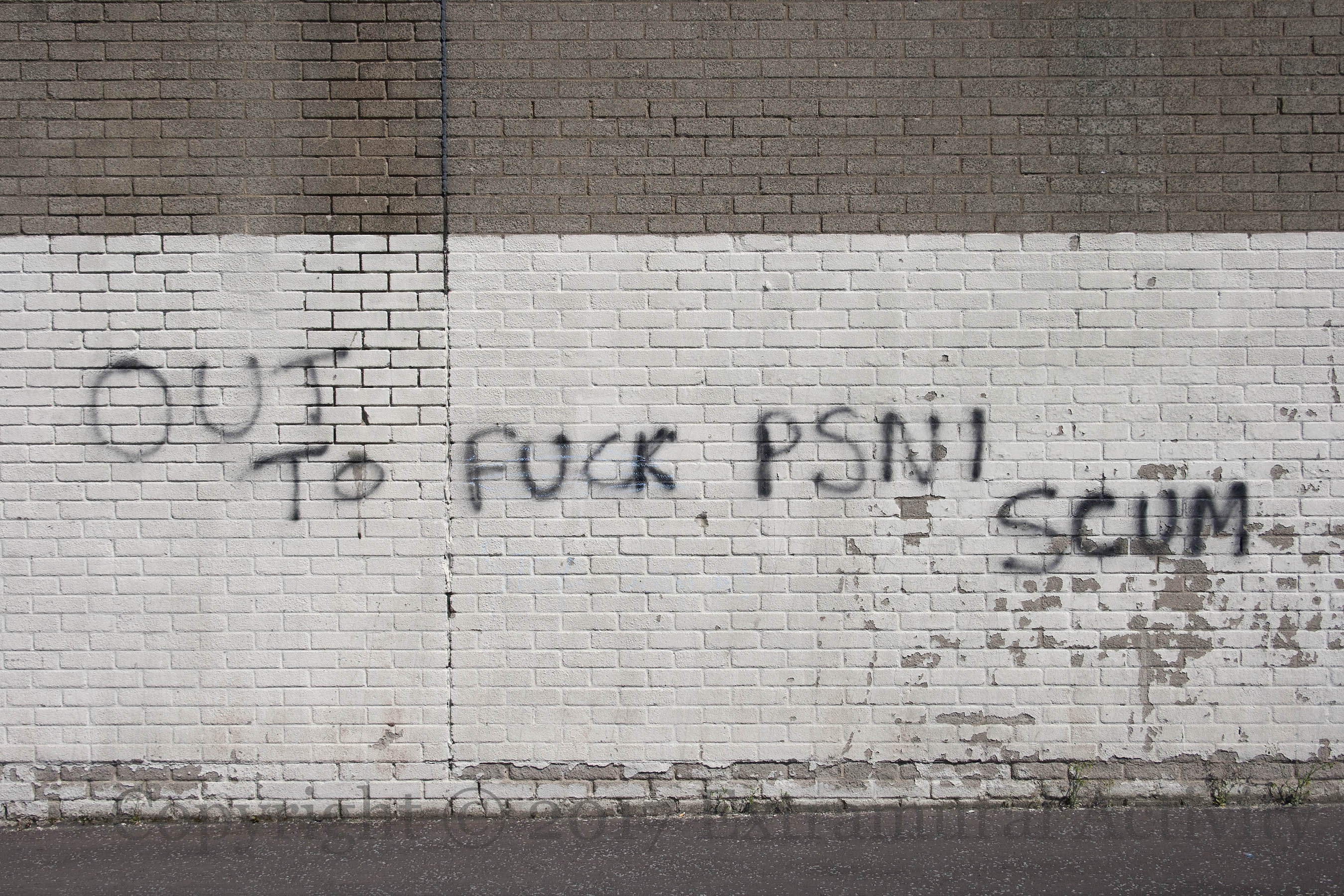
Two pieces of Village graffiti with the same message: “Stay out PSNI scum” and “Out to fuck PSNI scum”.
Click image to enlarge
Copyright © 2017 Seosamh Mac Coılle
X04138 X04139
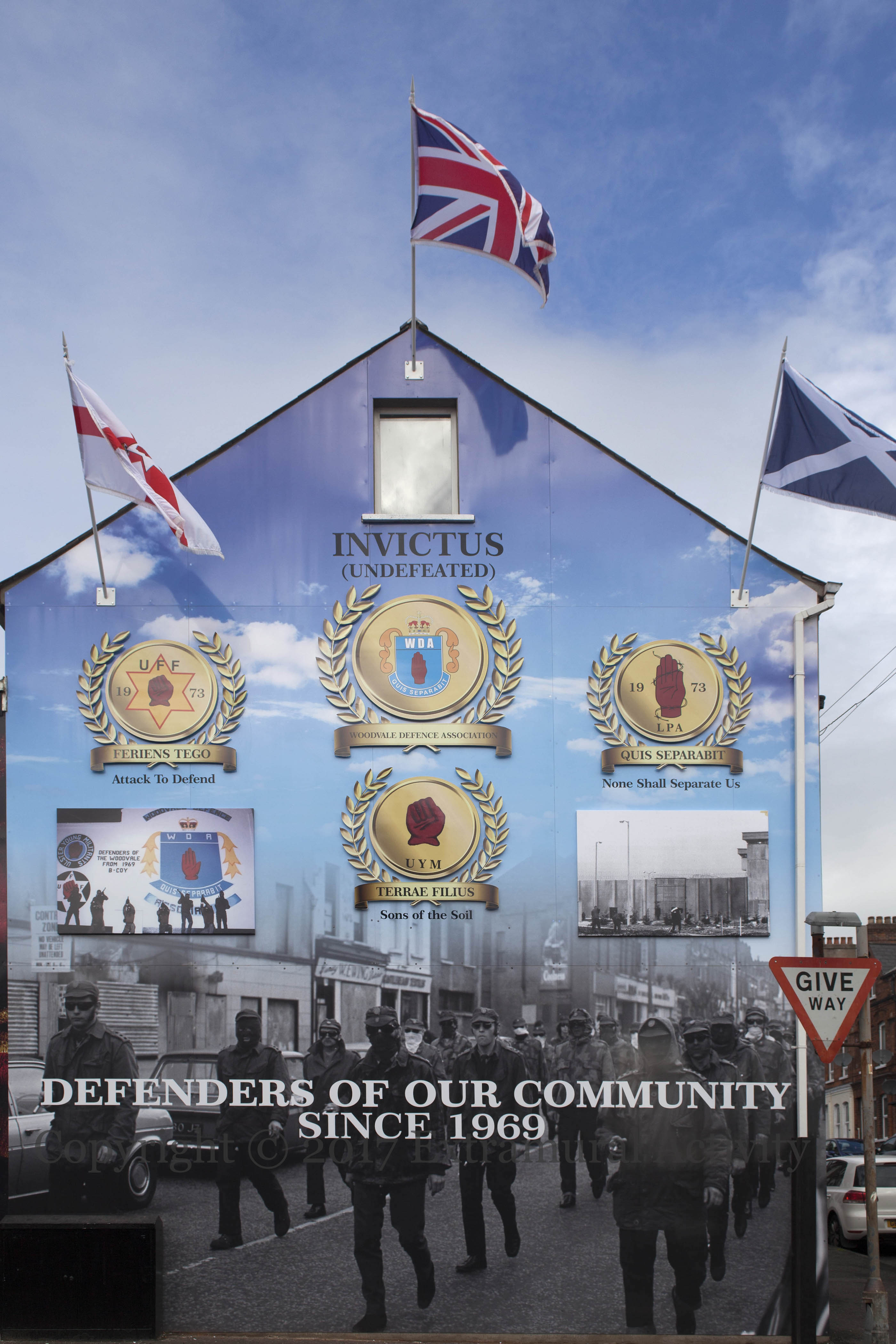
Here is the main part of a new printed mural in the Woodvale area of west Belfast (to be officially launched on Saturday, June 3rd). It celebrates the creation of the Woodvale Defence Association as “Defenders of our community since 1969” which in 1971 merged with other associations to form the UDA, whose youth wing is the UYM (lower middle, “terrae filius” = “sons of the soil”) and which uses “UFF” (upper left, “feriens ego” = “attack to defend”) as a cover for military operation. The final emblem is of the LPA (Loyalist Prisoners’ Association, “quis separabit” = “none shall separate us”). The mural replaced by this one is in the bottom left, while the bottom right contains an image of Long Kesh in 1979. The main photograph is of a 1972 march on the Shankill.
For the side-wall, see Remembering Our Fallen.
Click image to enlarge
Copyright © 2017 Seosamh Mac Coılle
X04167 disraeli st
 Extramural Activity