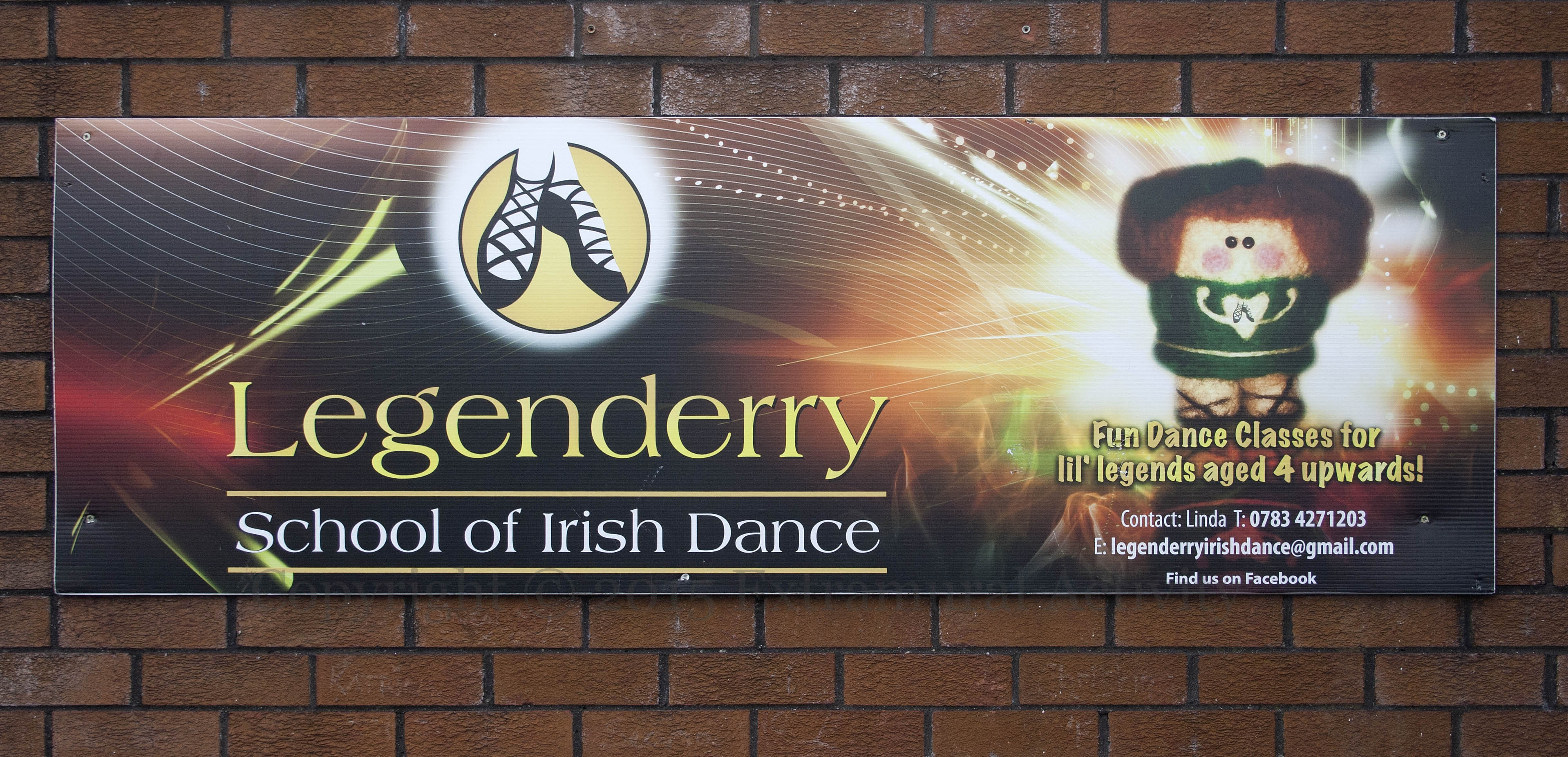
Banner for the “Legenderry” school of Irish dance. (Fb)
Click image to enlarge
Copyright © 2015 Seosamh Mac Coılle
Fun dance classes for lil legends aged 4 and upwards londonderry derry doire.
Banner for the “Legenderry” school of Irish dance. (Fb)
Click image to enlarge
Copyright © 2015 Seosamh Mac Coılle
Fun dance classes for lil legends aged 4 and upwards londonderry derry doire.
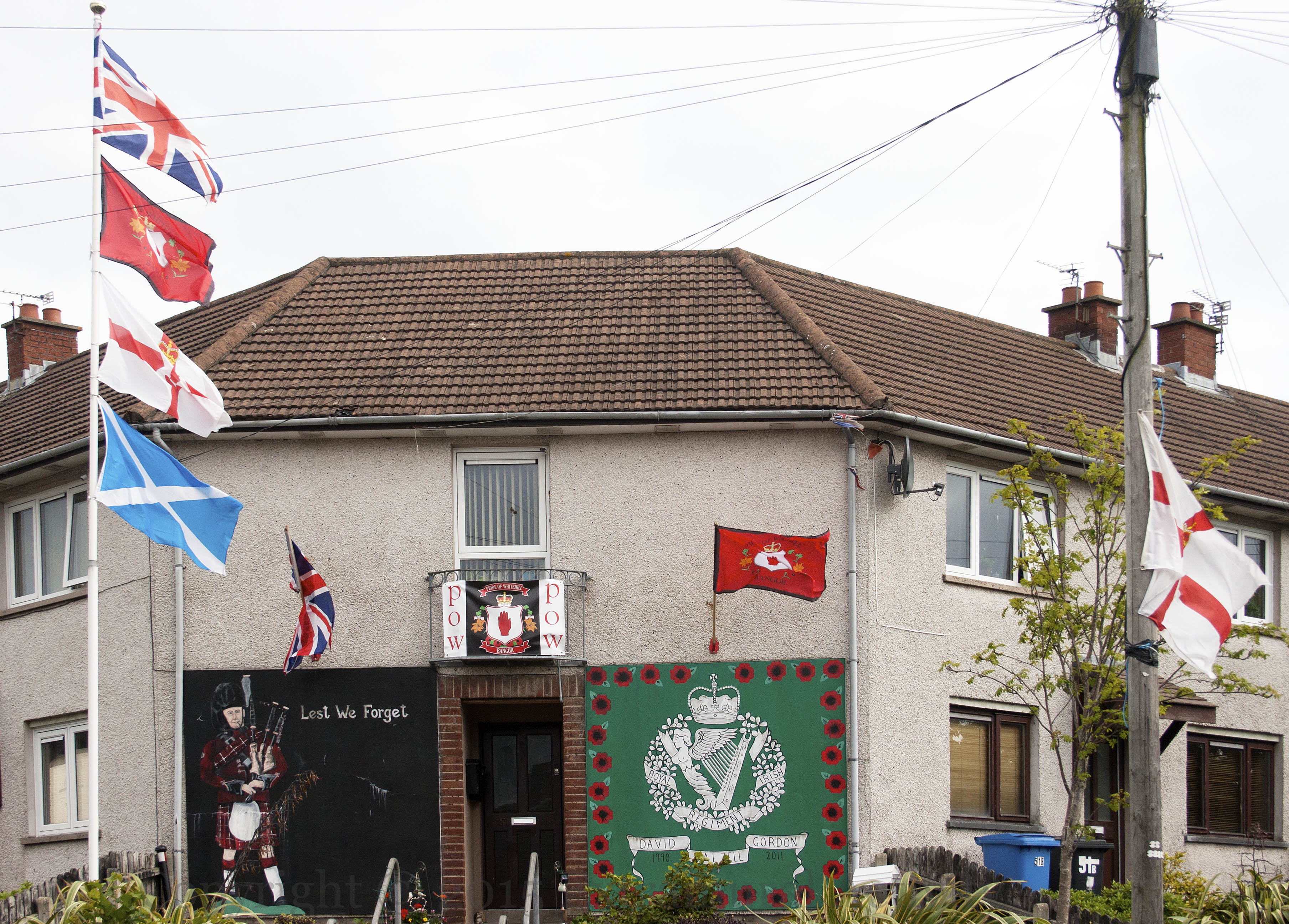
Bangor native David Gordon Dalzell was killed at age 20 in Helmland Province, Afghanistan, in 2011, shot accidentally by one of his comrades as he was cleaning his weapon. For an account of his death, see BBC-NI. Dalzell’s ‘fatality’ notice can be read at the MOD. In the image above (and detailed below), the front of this Whitehill house carries the emblem of Dalzell’s Royal Irish regiment and a funeral piper.

Click image to enlarge
Copyright © 2015 Seosamh Mac Coılle
X02783 X02960 royal irish regiment sean barry lest we forget
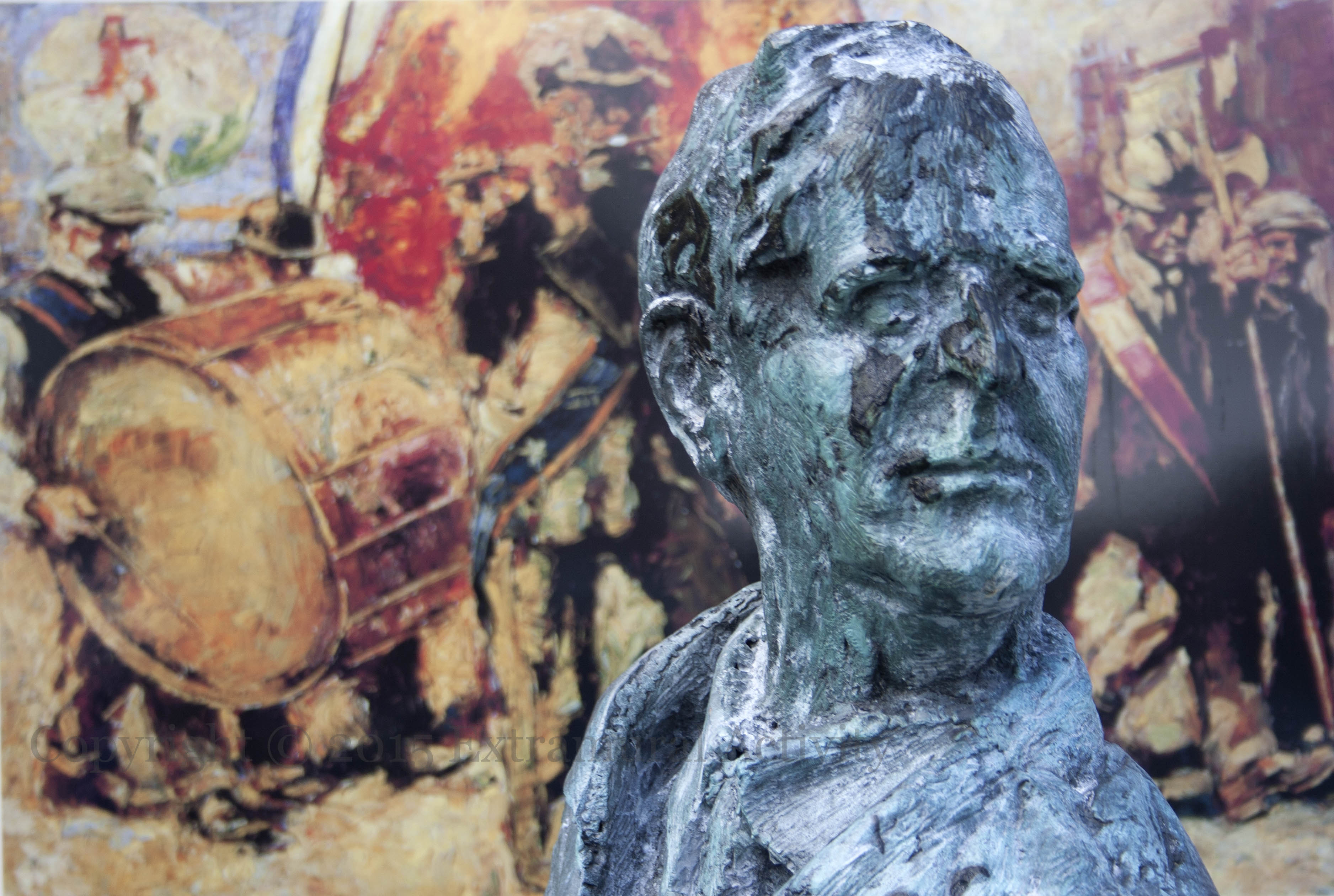
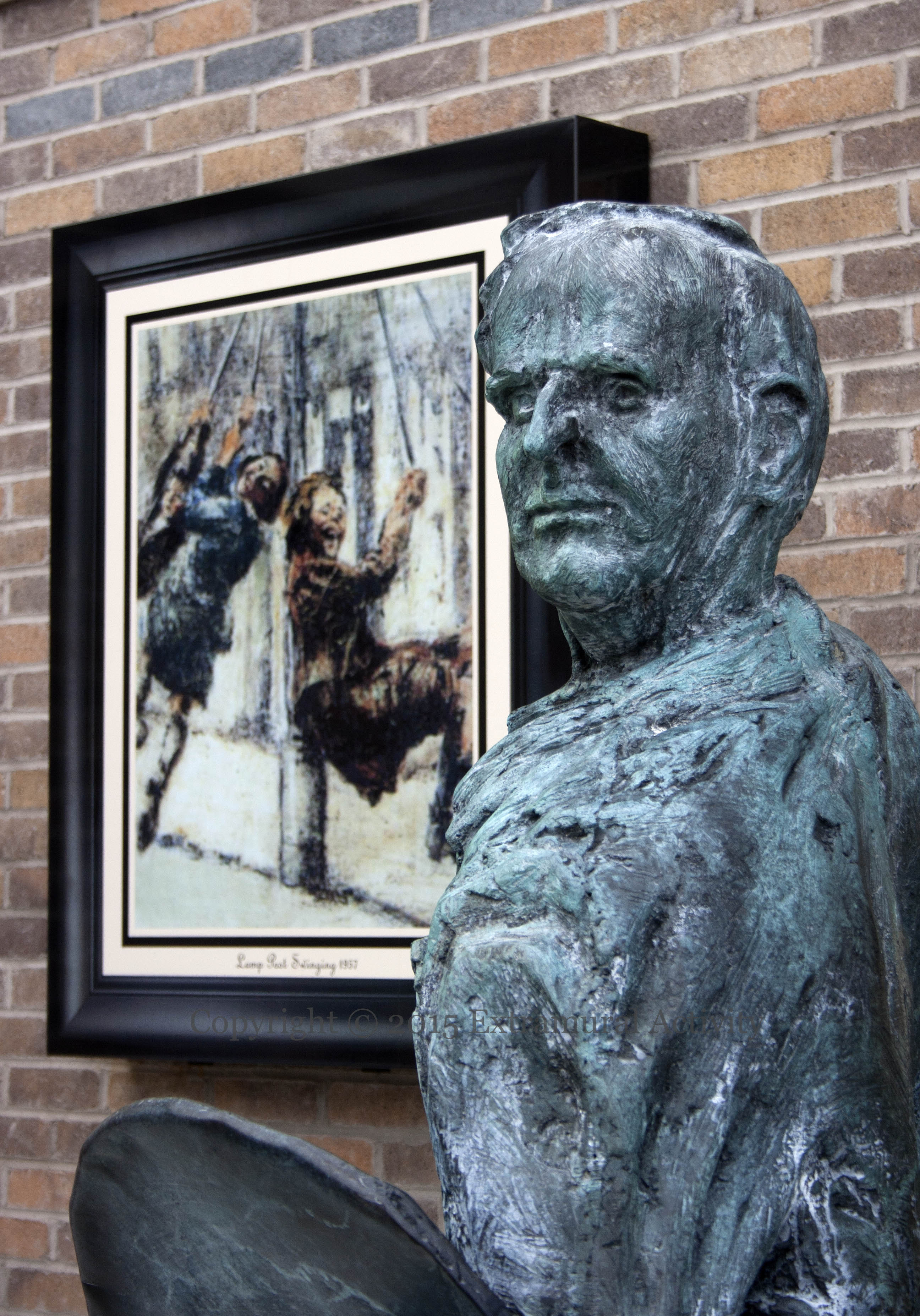
William Connor (later William Conor) was born in the Old Lodge area of Belfast (in 1881) close to the location of the new bronze statue shown in today’s images, which is at the corner of Northumberland Street and Shankill Road, replacing the UVF/Shankill Protestant Boys (see M02457). The info board (shown below) describes his methods in capturing the Belfast street scenes for which he is most famous: “Conor was developing a spontaneous drawing technique by recording quick impressions, and it soon became a habit for him to go out into the streets with a newspaper, which contained loose leaves from his sketchbook. When he saw anything of interest he leant against a lap post or wall, took out his newspaper as though he were simply reading the sports results and sketched away.”
For more info, see the project’s web site. For images of many of Conor’s paintings, see ArtNet. For images of the sculpture in progress, see Lönze’s site and the project’s Facebook page.
Officially launched 2015-09-26



Click image to enlarge
Copyright © 2015 Seosamh Mac Coılle
X03026 X02954 X02955 X02956 X02957 X02958 Painter William Conor PRUA RHA ROI OBE (1881-1968) was born in Fortingale Street and developed many of his renowned paintings in this area known as Conor’s Corner. J. Wilson Conor’s work on display: Going to the Mills (1914, Crumlin Road, Belfast), Riveting, Lamp-post Swinging (1957, Belfast), The Twelfth (1918, Wellington Place, Belfast), Two Men Watching Lambeg Drummers, Digging. Sculpture & Concept: Holger C. Lönze, Cork. Architectural Design: Robert Morrow, Belfast. All images by William Conor collection ulster folk and transport museum
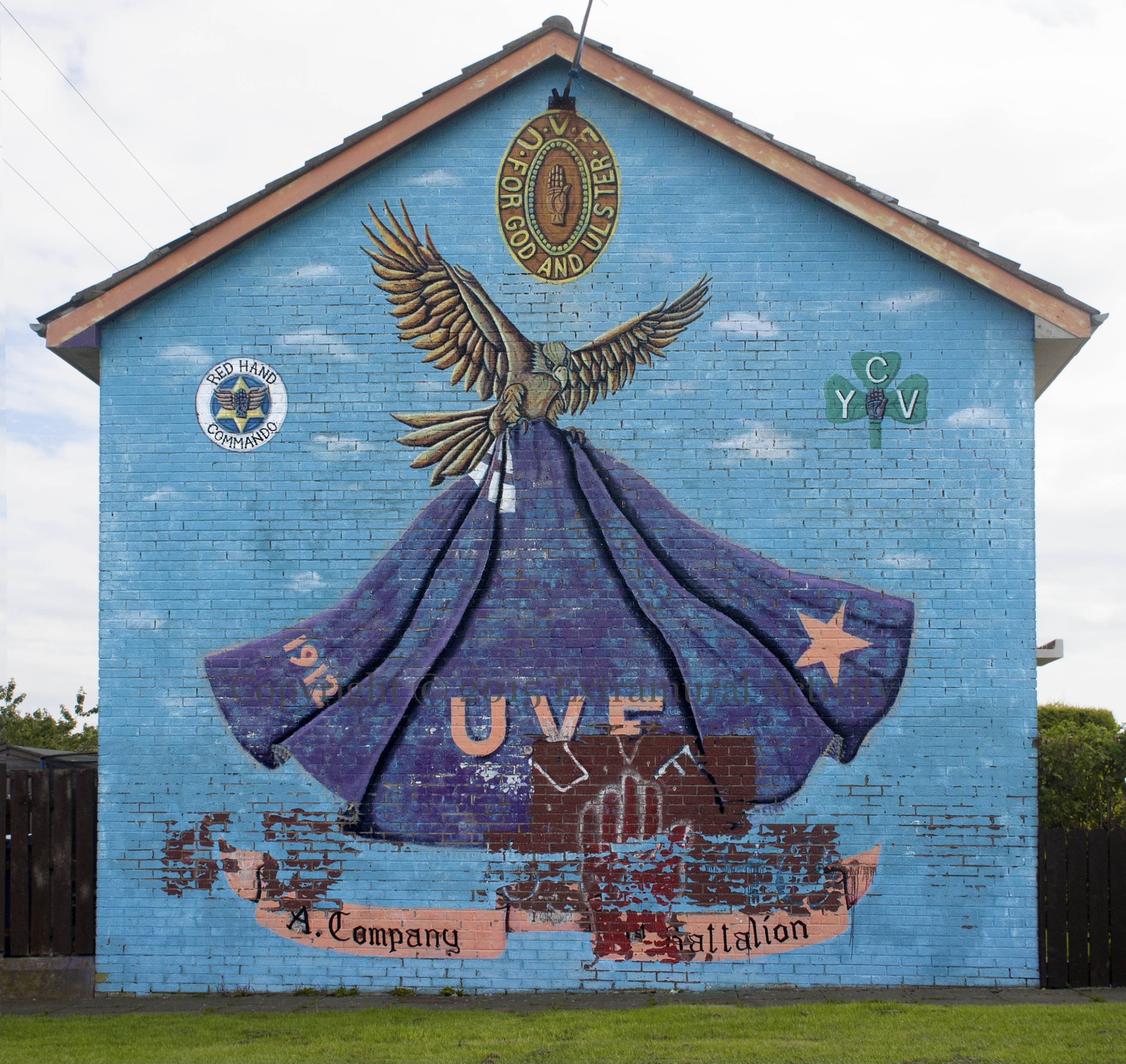
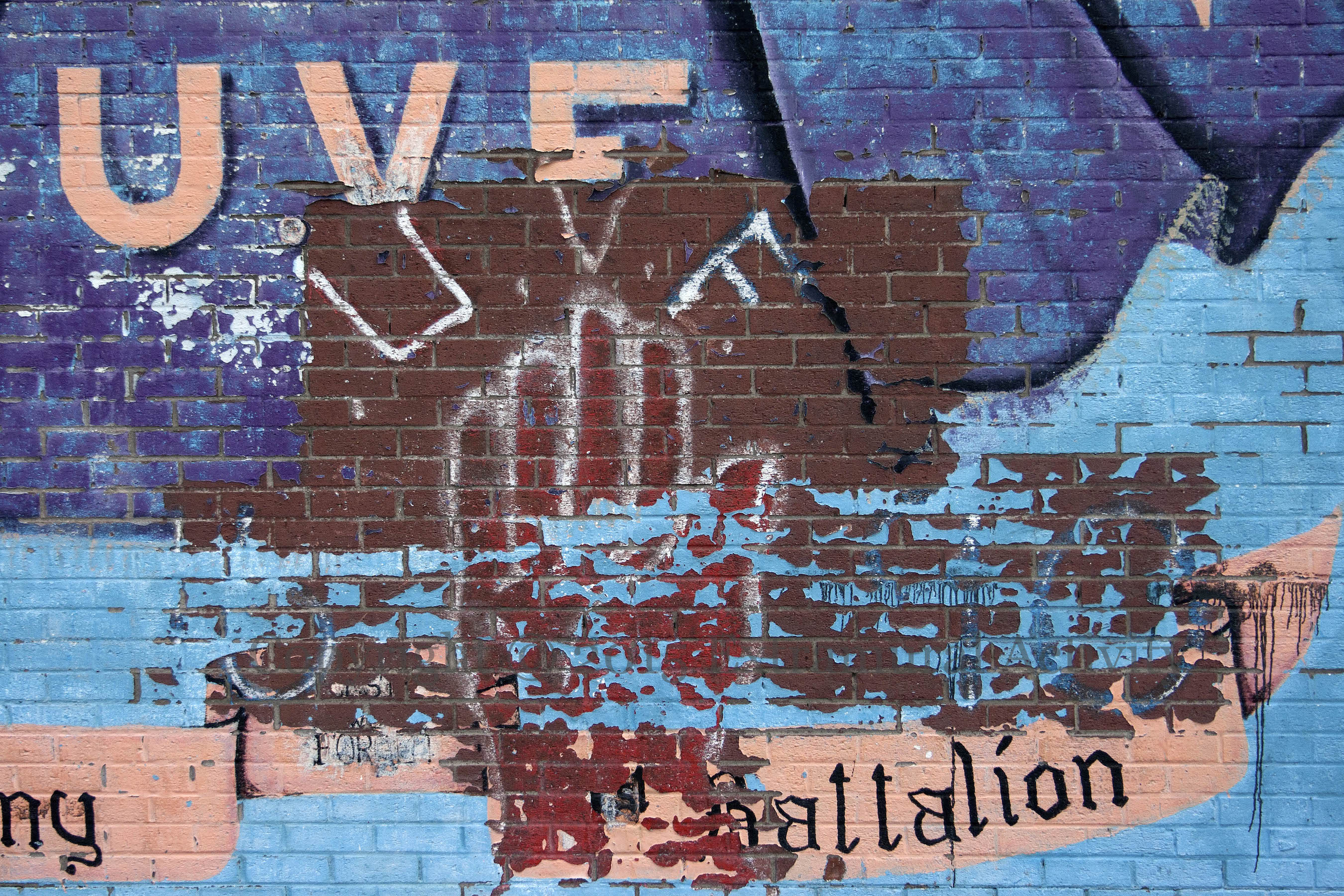
The eagle (of the Red Hand Commando?) pulls back one UVF flag to reveal … an earlier UVF mural. Close-up below.
Click image to enlarge
Copyright © 2015 Seosamh Mac Coılle
X02767 X02768 ulster for all a. company 1st battalion 1912 YCV for god and ulster ballyree ballyminetragh
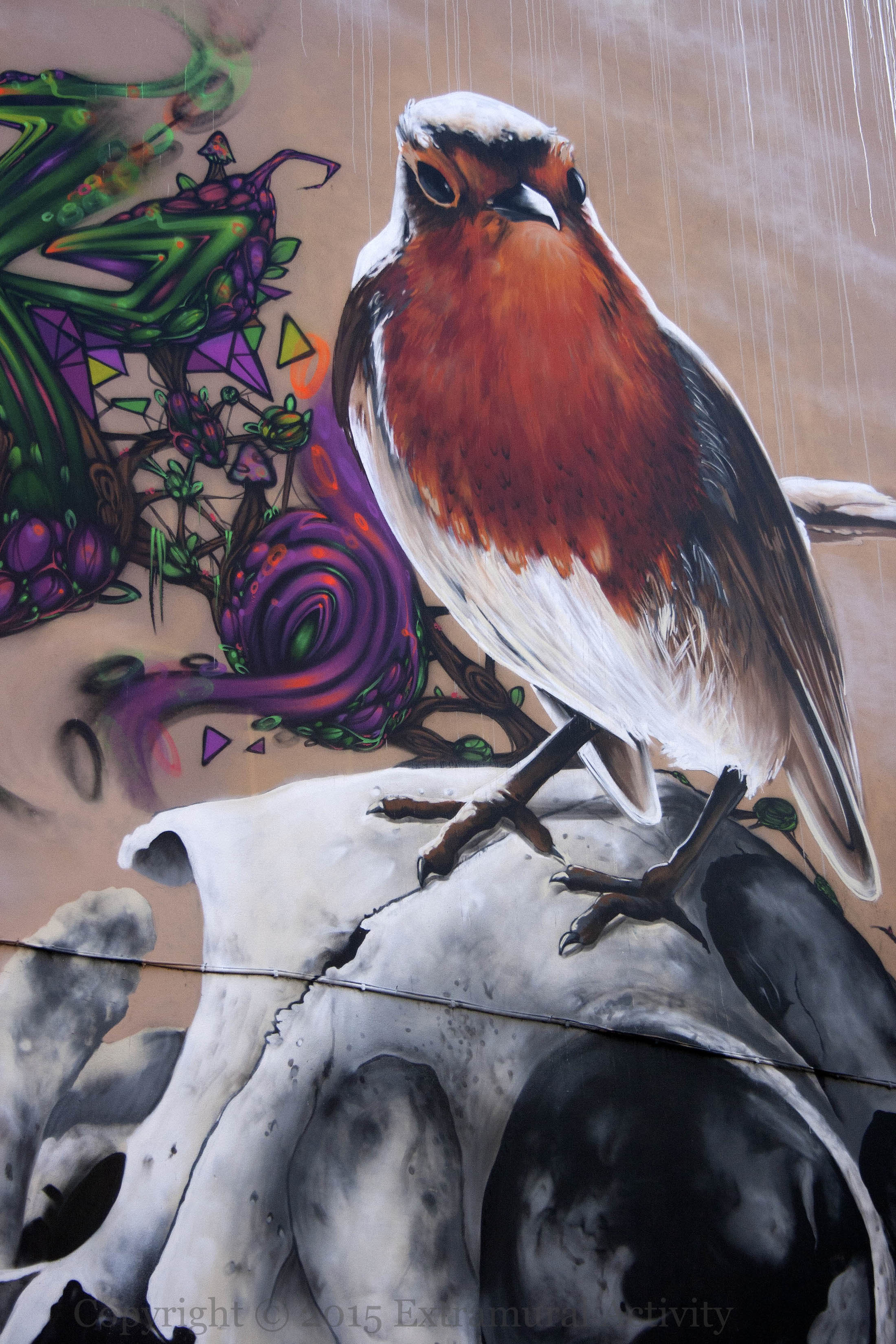
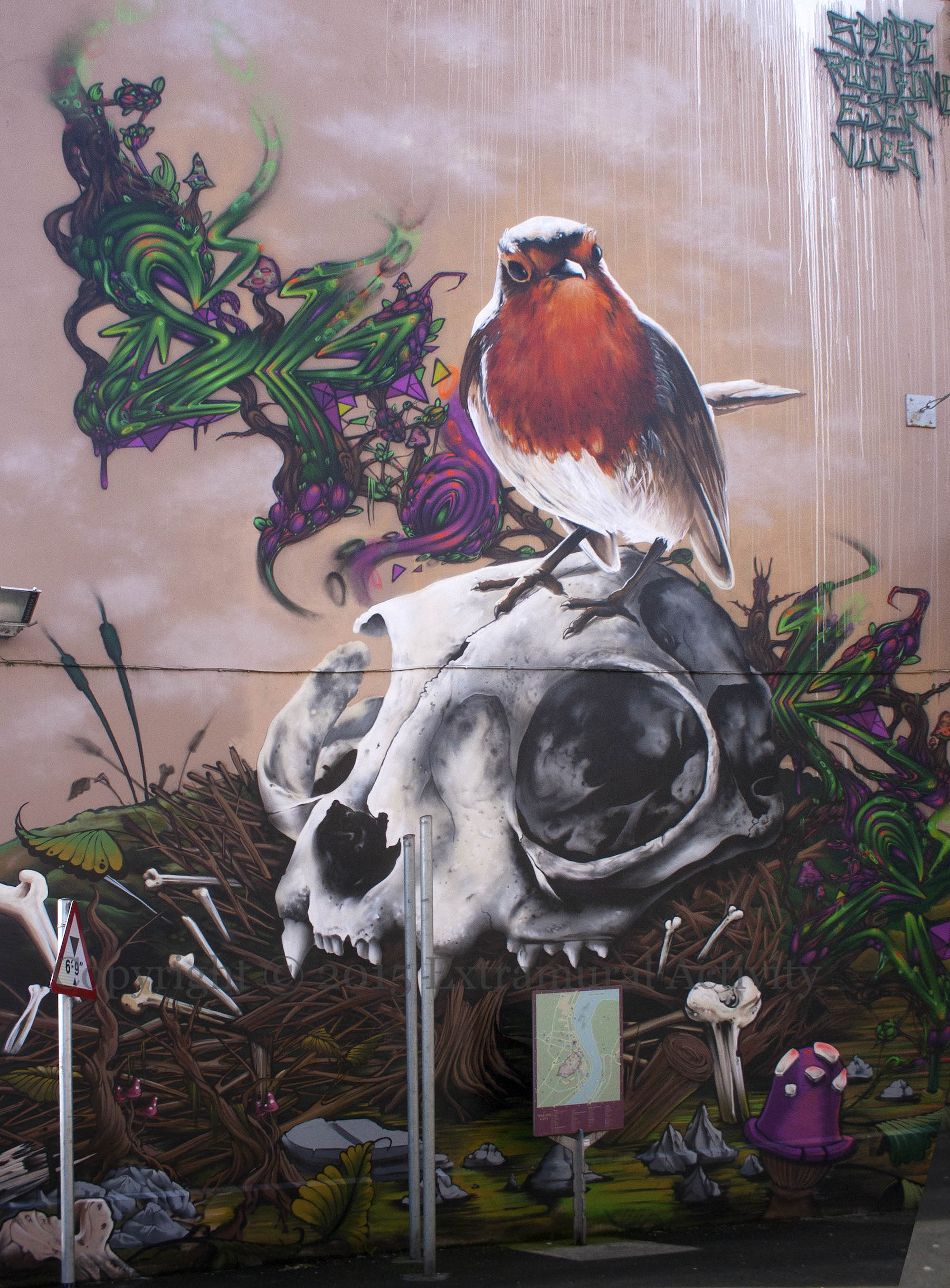
A robin sits atop the skull of a cat. Work by Glaswegian street artists Spore, Ejek, Rogue-One, and Vues Oner for the Release The Pressure festival in London/-Derry/Doire back on July 25-26th. See below for a shot of the whole thing and a video of the piece in production.
Click image to enlarge
Copyright © 2015 Seosamh Mac Coılle
X02755 X02754 alex spore
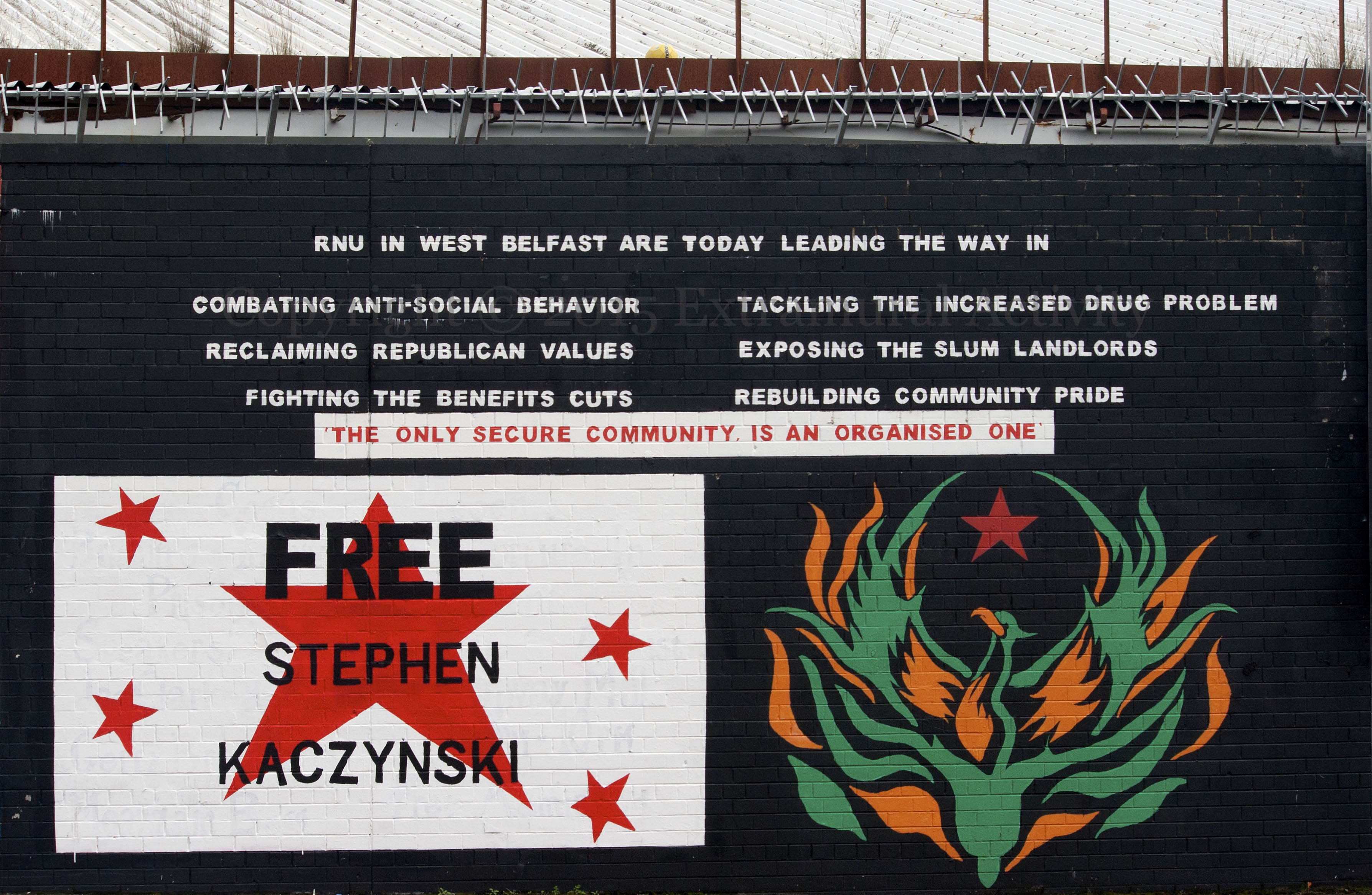
Stephen (or Stephan) “Steve” Kaczynski will go before a Turkish court on September 18th on charges of membership of the Marxist-Leninist ‘Revolutionary People’s Liberation Party-Front’ (DHKP-C). (WP) In April, members of the group took over a courtroom and held a state prosecutor hostage; when special forces stormed the building, the hostage and two of his captors died. (Independent) Kaczynski, a freelance journalist from Scotland, is alleged to be instrumental in financing the group. Alternatively, (according to various newspaper reports) he is an undercover agent of the Germans (Daily Sabah) or the British (Brian Shaw). He was on hunger-strike in protest at the conditions in Maltepe #3 from June 25th to August 12th.
Click image to enlarge
Copyright © 2015 Seosamh Mac Coılle
X02803 rnu in west belfast are today leading the way in combating anti-social behaviour reclaiming republican values fighting the benefits cuts tackling the increased drug problem exposing the slum landlords rebuilding community pride the only secure community is an organised one socialism communism red star phoenix
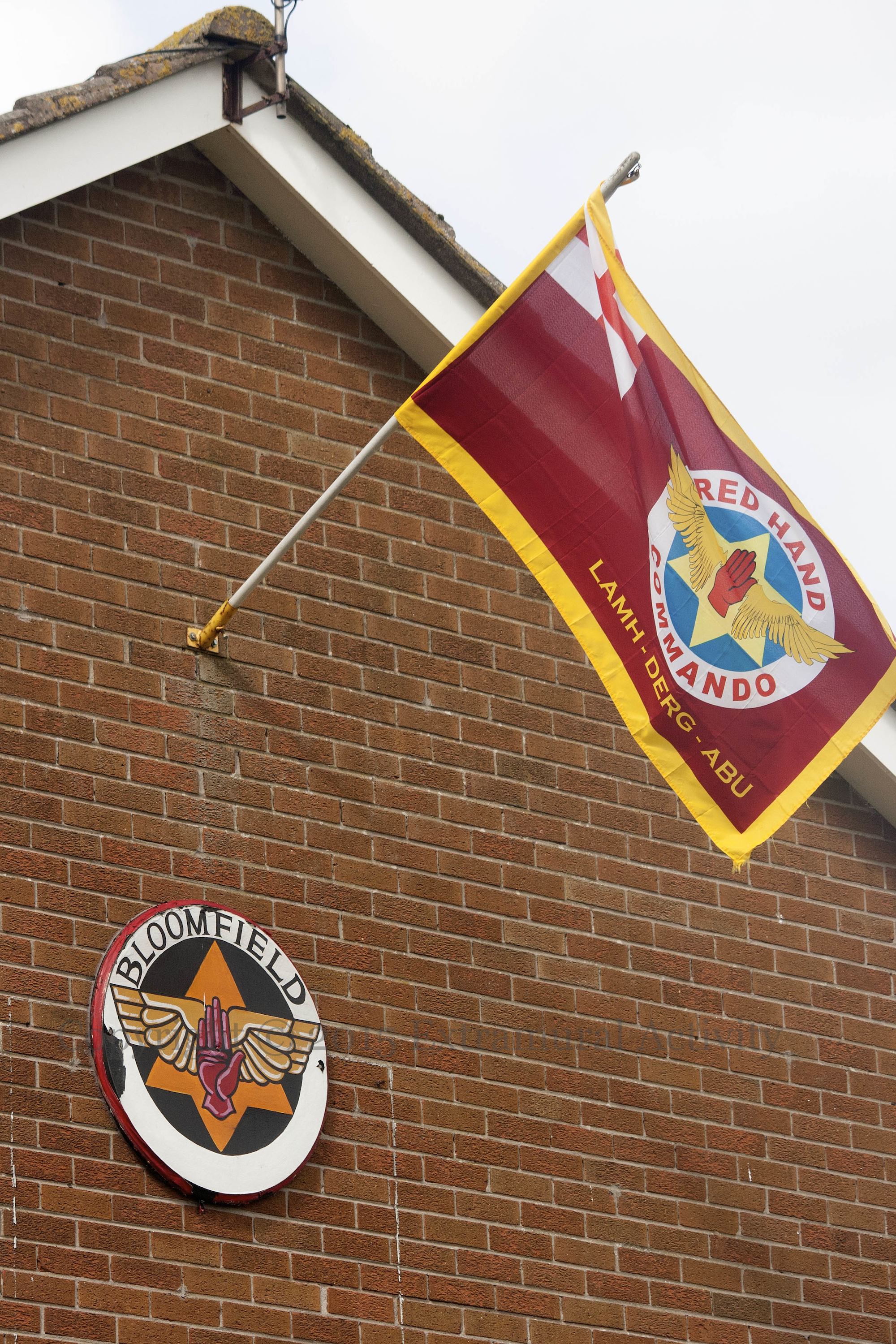
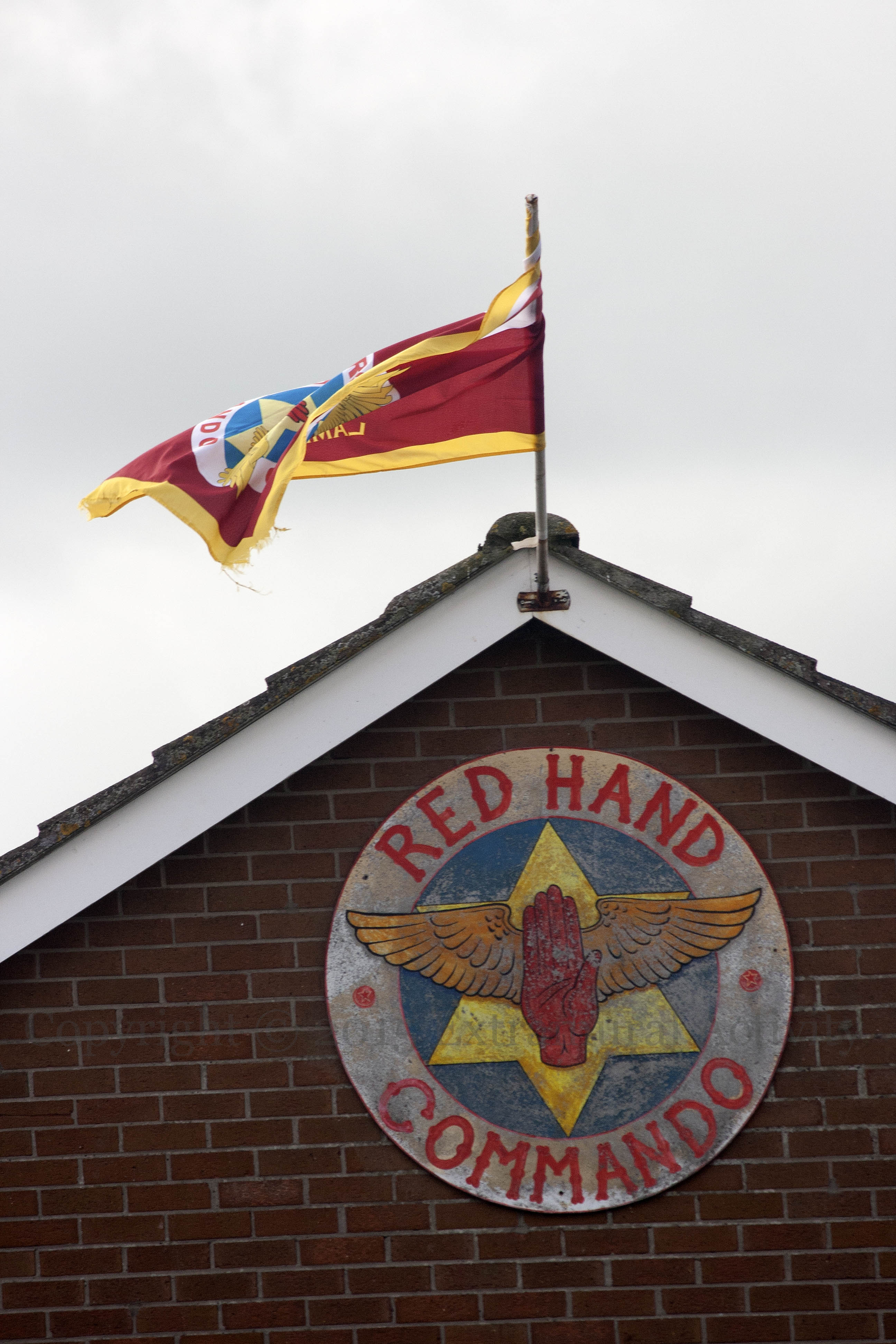
Here are three images of Red Hand Commando boards and flags in the Bloomfield estate. They both feature a red hand with eagle’s wings over a six-pointed star and on the flag, the motto (in crude Gaelic) “Lamh Derg Abu” – “Onward, Red Hand” or “Red Hand To Victory”. The loyalist paramilitary group declared an official end to activities in 2007 (BBC-NI) and decommissioned its weapons by 2009.

Click image to enlarge
Copyright © 2015 Seosamh Mac Coılle
X02777 X02776 X02778 lámh dhearg abú
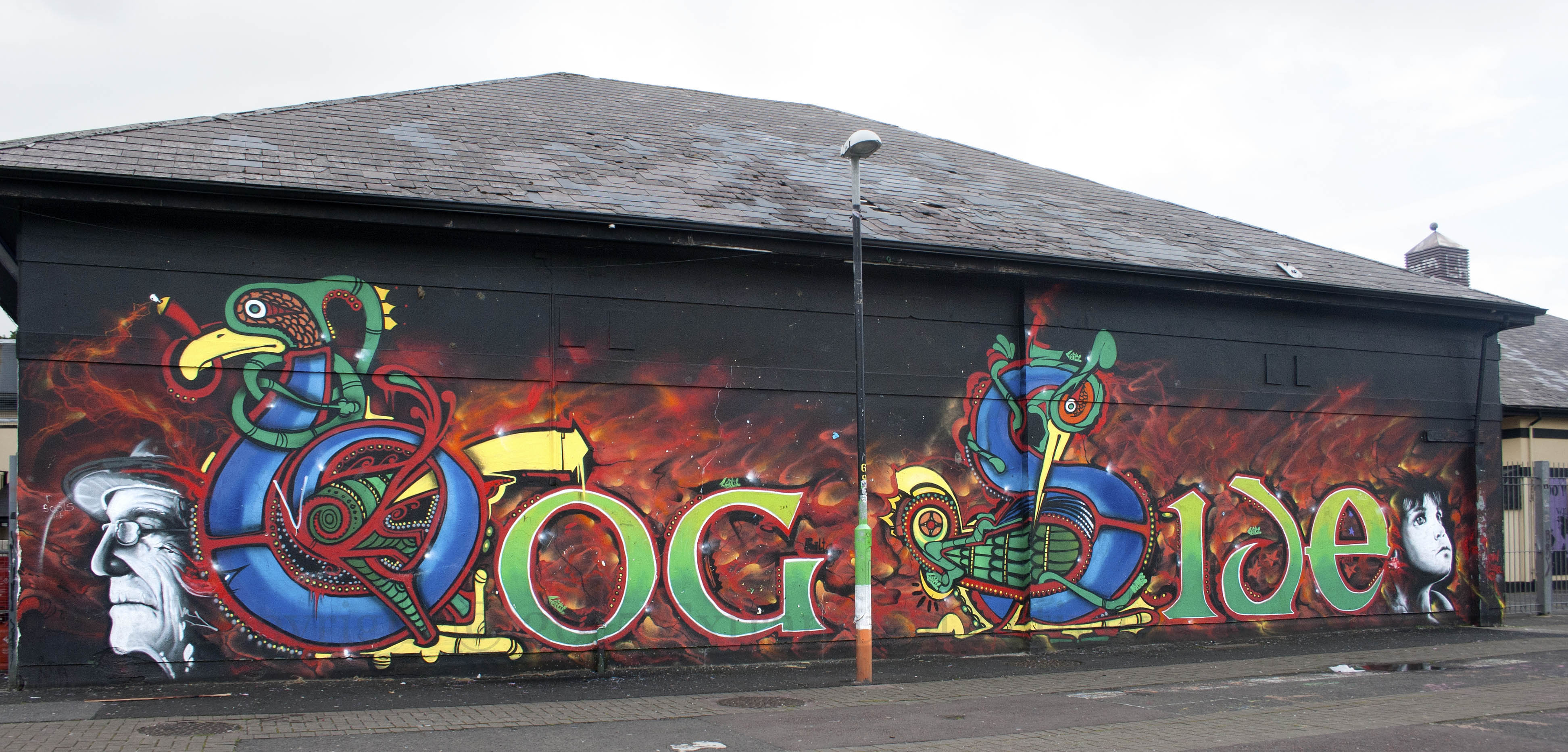
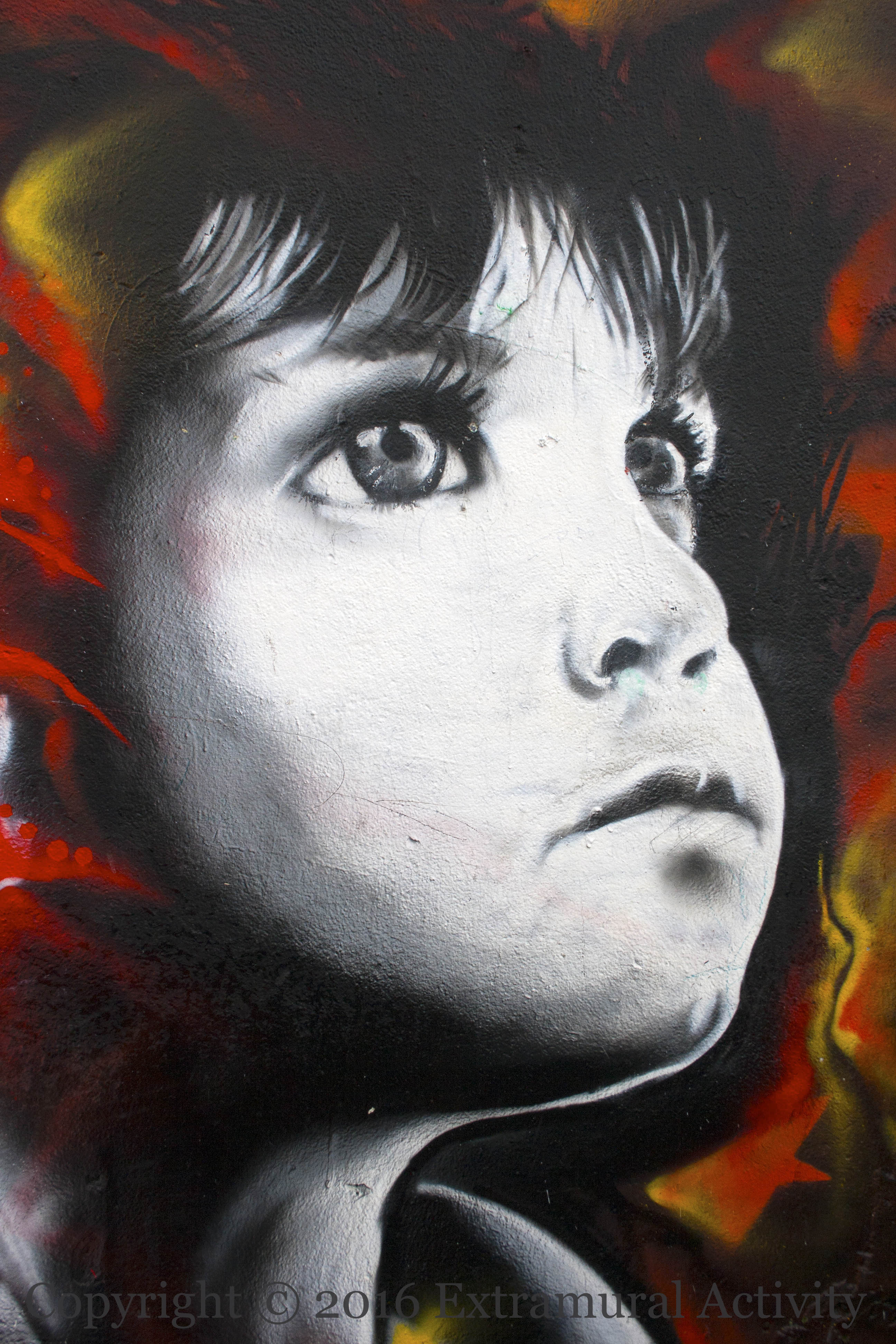
The eastern side of what was the island of Derry is called the Water side and the western side, although originally under water, became the Bog side in about 1600. The two murals shown here are on either side of the shops adjacent to the Bogside Inn. There is an excellent history of the area from 1162 to the construction of Rossville flats in 1966 at the Museum Of Free Derry.
The piece above is by RAZER (ig).
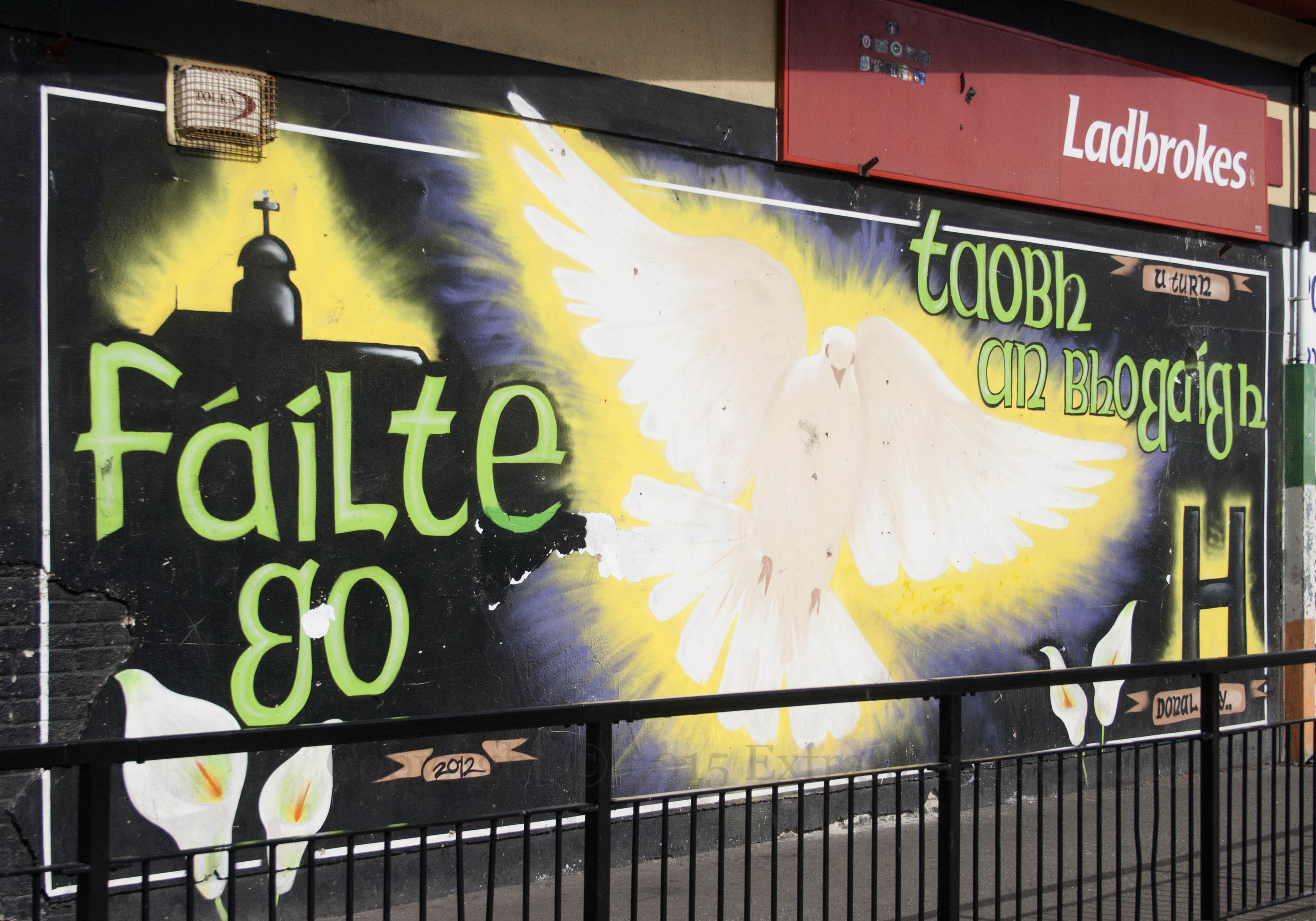
Click image to enlarge
Copyright © 2015 Seosamh Mac Coılle
X02746 X03591 X02745 fáılte go taobh an bhogaıgh lily H-Block dove of peace celtic design
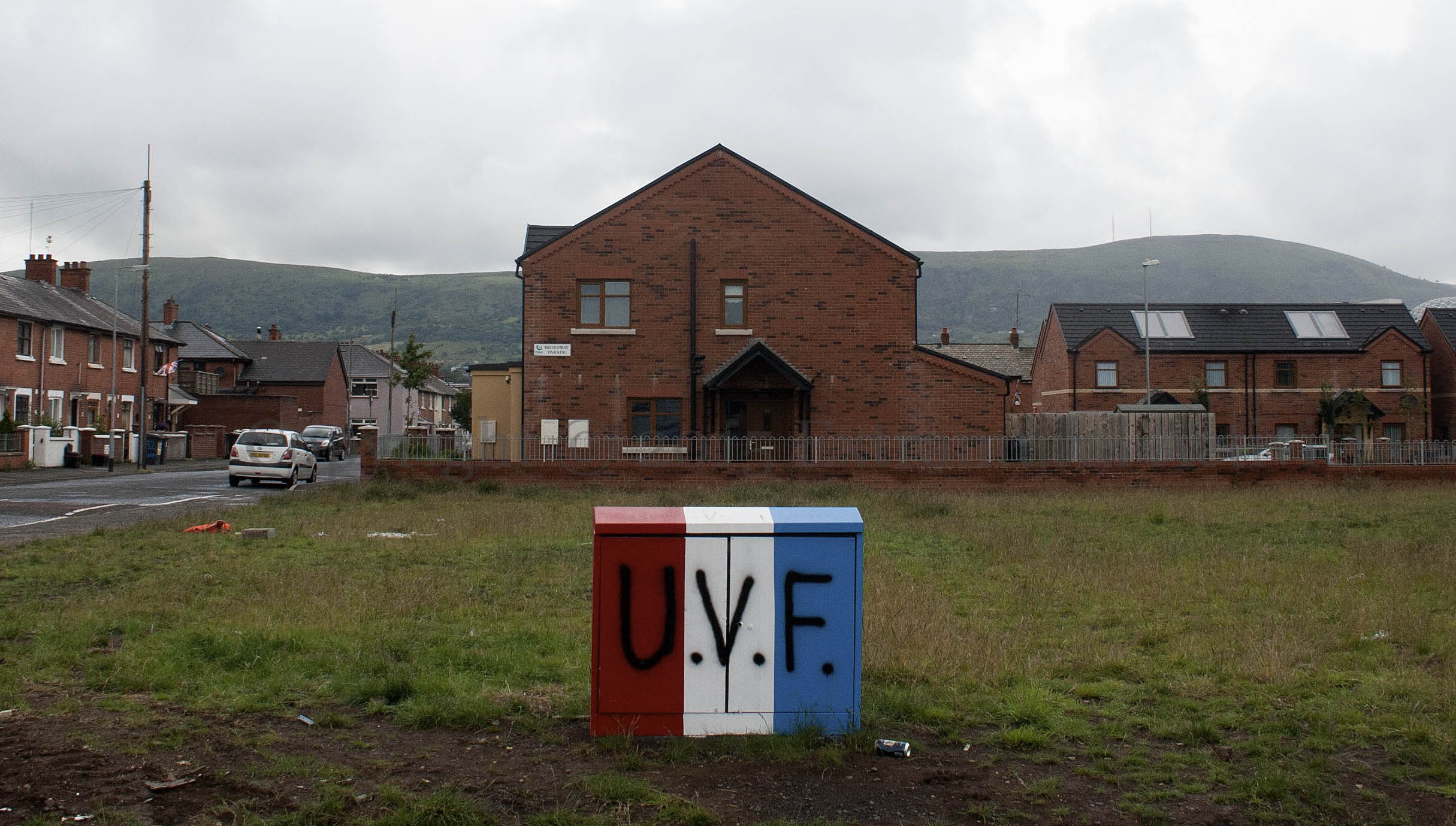
“UVF” on a red-white-and blue-painted electrical box, the only thing standing in the razed ground where Soudan Street used to be.
Click image to enlarge
Copyright © 2015 Seosamh Mac Coılle
X02908c

Black taxis were first brought from England to Belfast in 1970 by locals who wanted to provide an alternative, and locally-based, transport system to augment the Citybuses which were sometimes cancelled and sometimes burned out. The board above commemorates eight drivers who were killed during the troubles: Michael Duggan, Jim Green, Harry Muldoon, Paddy McAllister, Caoimhín Mac Brádaigh, Thomas Hughes, Hugh Magee, and Paddy Clarke.
French documentary about black taxi drivers.
Click image to enlarge
Copyright © 2015 Seosamh Mac Coılle
X02905 west belfast taxi association community interest company dedicated to the memory of murdered in the service of their community providing belfast with a public transport system for over 40 years a dhia deán trocaire ar a nanamacha may god have mercy on their souls WBTA divis flats st peters 12/11/75 5/5/77 31/10/84 26/8/86 16/3/88 19/7/91 10/10/91 2/2/92
 Extramural Activity