Who could resist this beaming smile and lilac knitwear? Communion portrait as street art, taking the place of Ian Jong-Un in Hill Street and (below) beneath the Potthouse plaque in Commercial Court.
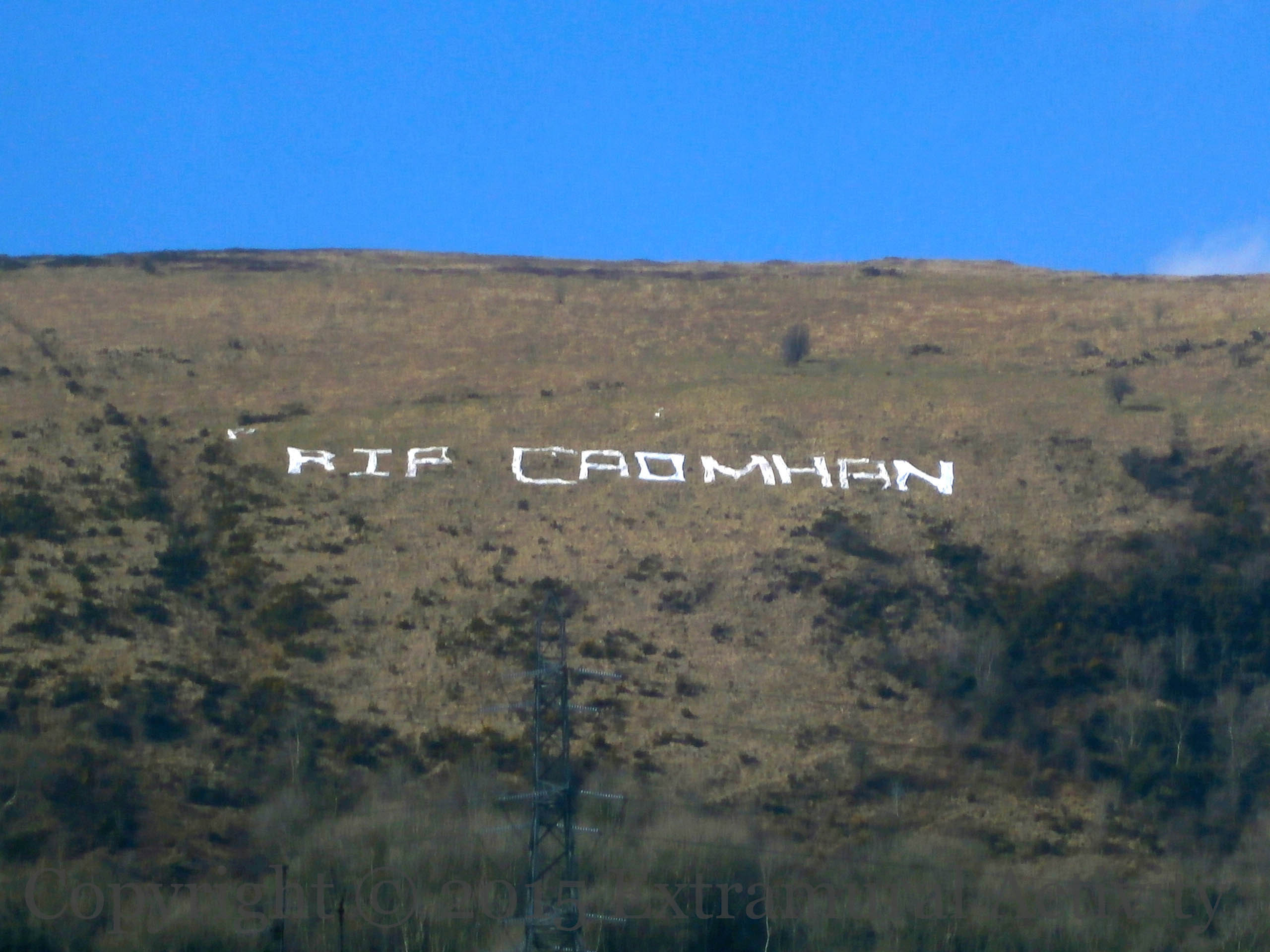
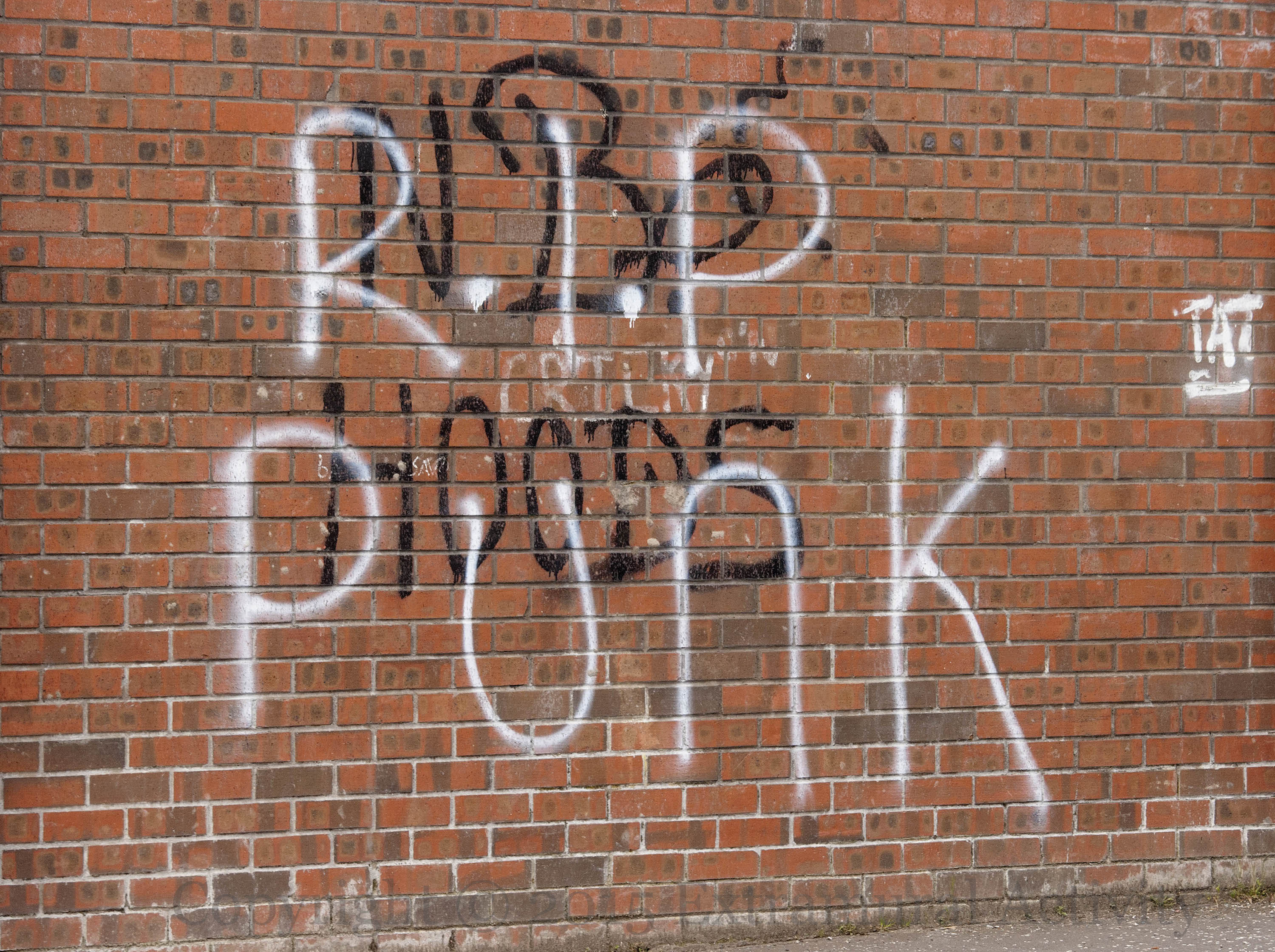
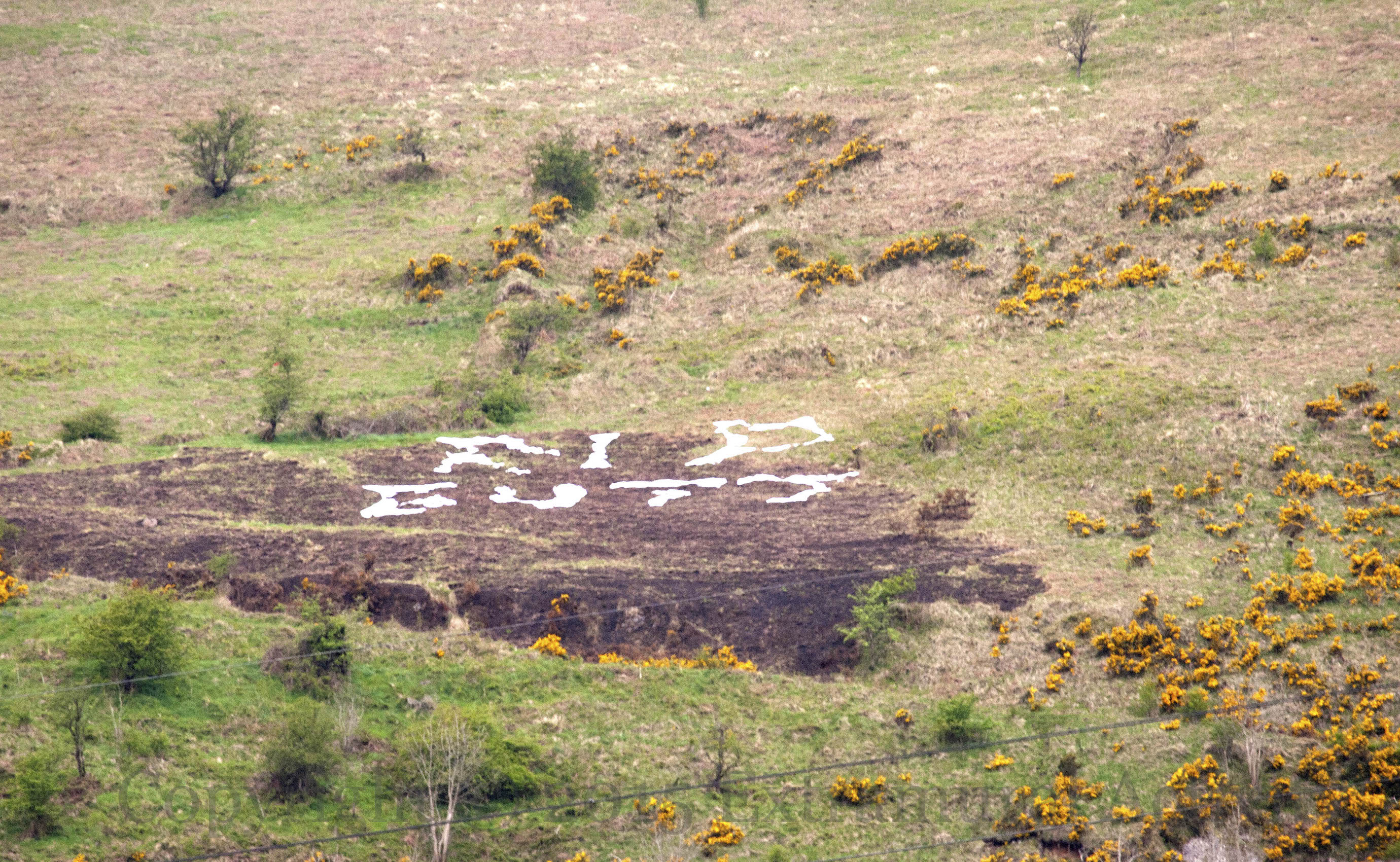
The suicide of young people continue to cast a shadow over Belfast and the rest of Northern Ireland. (The suicide rate has almost doubled since the ceasefire; a fifth of those dying are under 25.) Here are three images from west Belfast, two from Black Mountain – “RIP Caomhan” and “RIP Butts” where the lettering from “End Brit/S’Mont Cuts” (see Credit Union Limited) has been repurposed. “RIP Punk” is from the junction of the Whiterock and Springfield Roads.
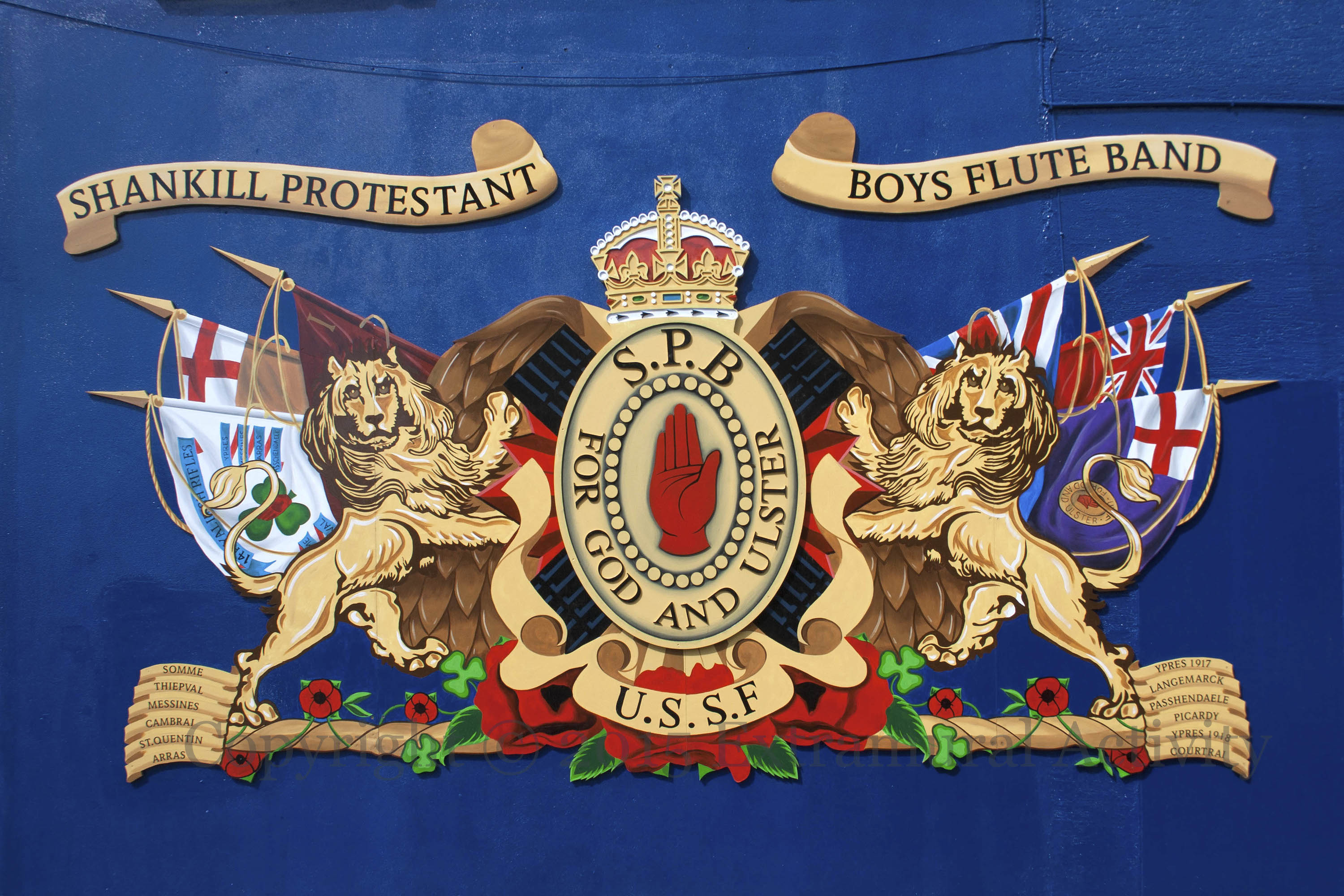
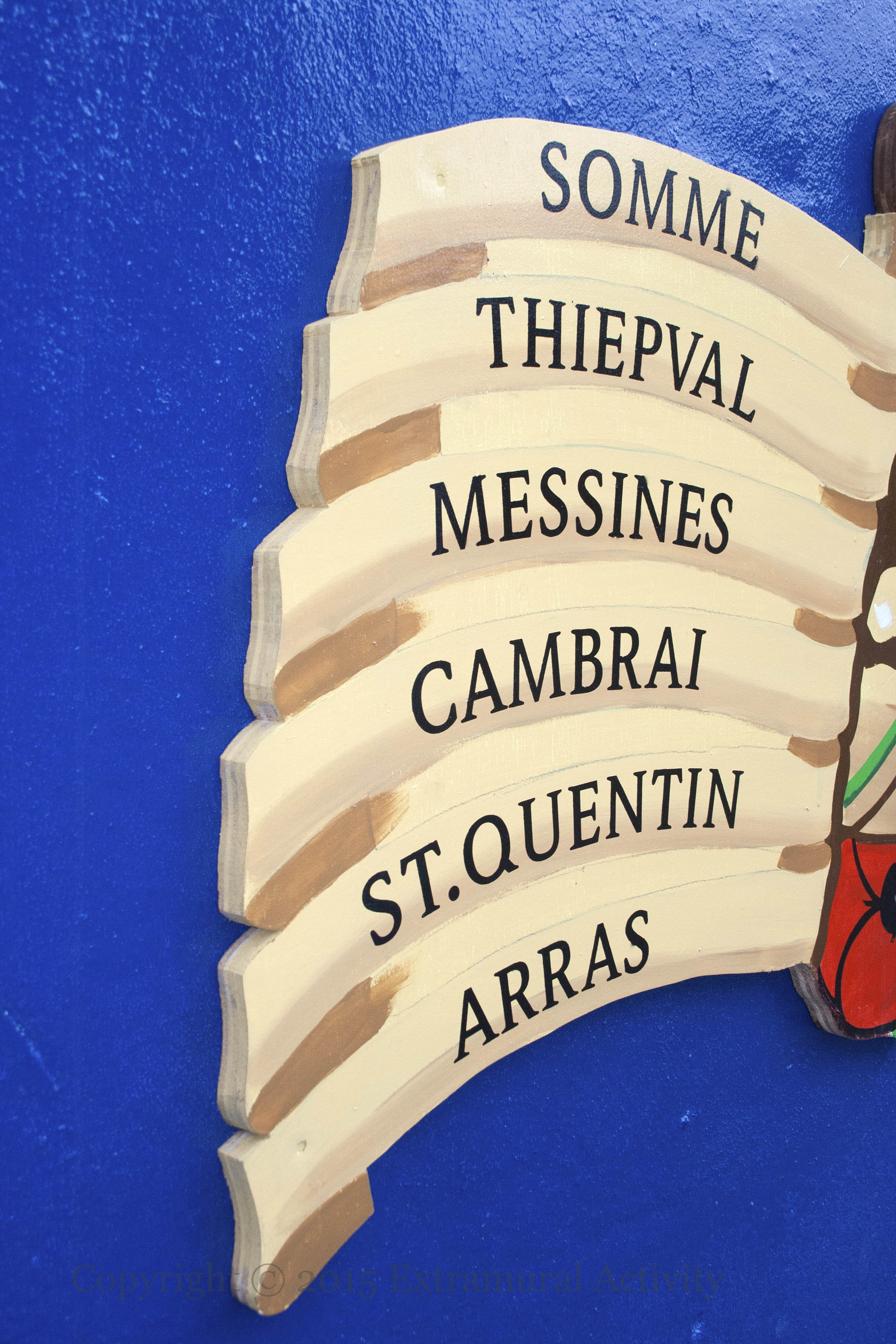
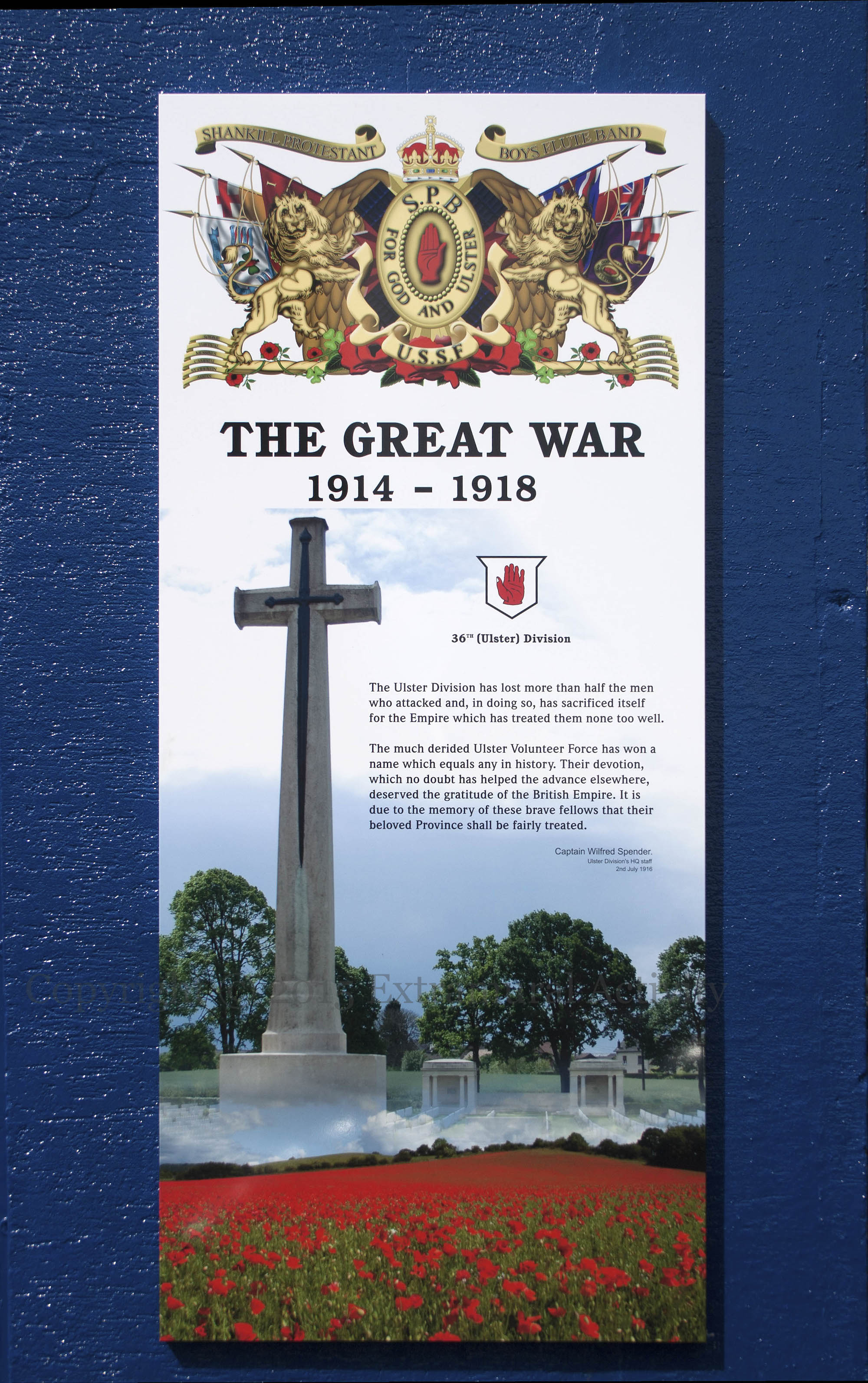
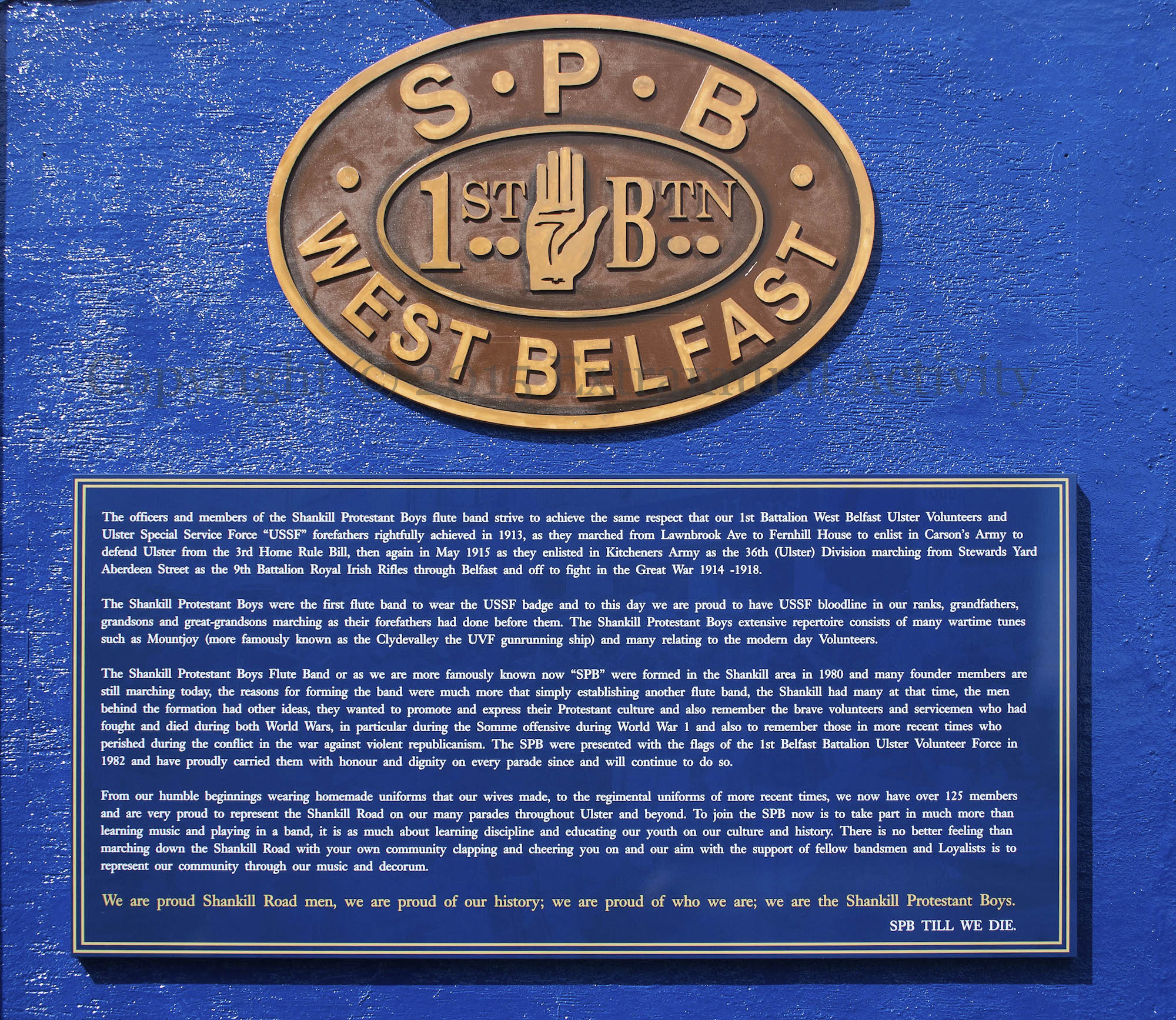
At first glance the piece above looks like a colourful mural but, as the close-up immediately below shows, it is in fact a large painted carving of lions rampant on either side of the emblem of the Shankill Protestant Boys flute band (Fb), named for the Shankill Boys of the original Ulster Volunteers and the Ulster Special Service Force unit within it which was designed to be a unit of “first responders”, ready to react at short notice to action by republicans or British forces anywhere in northern Ireland (historyireland).
The officers and members of the Shankill Protestant Boys flute band strive to achieve the same respect that our 1st battalion West Belfast Ulster Volunteers and Ulster Special Service Force “USSF” forefathers rightfully achieved in 1913, as they marched from Lawnbrook Ave to Fernhill House to enlist in Carson’s Army to defend Ulster from the 3rd Home Rule Bill, then again in May 1915 as they enlisted in Kitcheners Army as the 36th (Ulster) Division marching from Stewards Yard Aberdeen Street as the 9th Battalion Royal Irish Rifles through Belfast and off to fight in the Great War 1914-1918. wear the USSF badge and to this day we are proud to have USSF bloodline in our ranks, grandfathers grandsons and great-grandsons marching extensive repertoire consists of many wartime tunes such as Mountjoy clydevally the UVF gunrunning ship and many relating to the modern day volunteers SPB were formed in 1980 and many founder members are still marching today the reasons for forming the band were much more simply that establishing another flute band wanted to promote and express culture remember servicemen fought and died during the Somme offensive perished in during the conflict against violent republicanism flags 1982 carried with honour and dignity every parade humble homemade uniforms our wives made regimental uniforms over 125 members join more than learning music discipline educating our youth on our culture and history. no better feeling than marching with your own community clapping and cheering you on fellow bandsmen decorum SPB till we die carnan street c coy thiepval messines cambrai st. quentin arras ypres 1917 langemarck passhendaele passchendaele picary courtrai uvf ycv
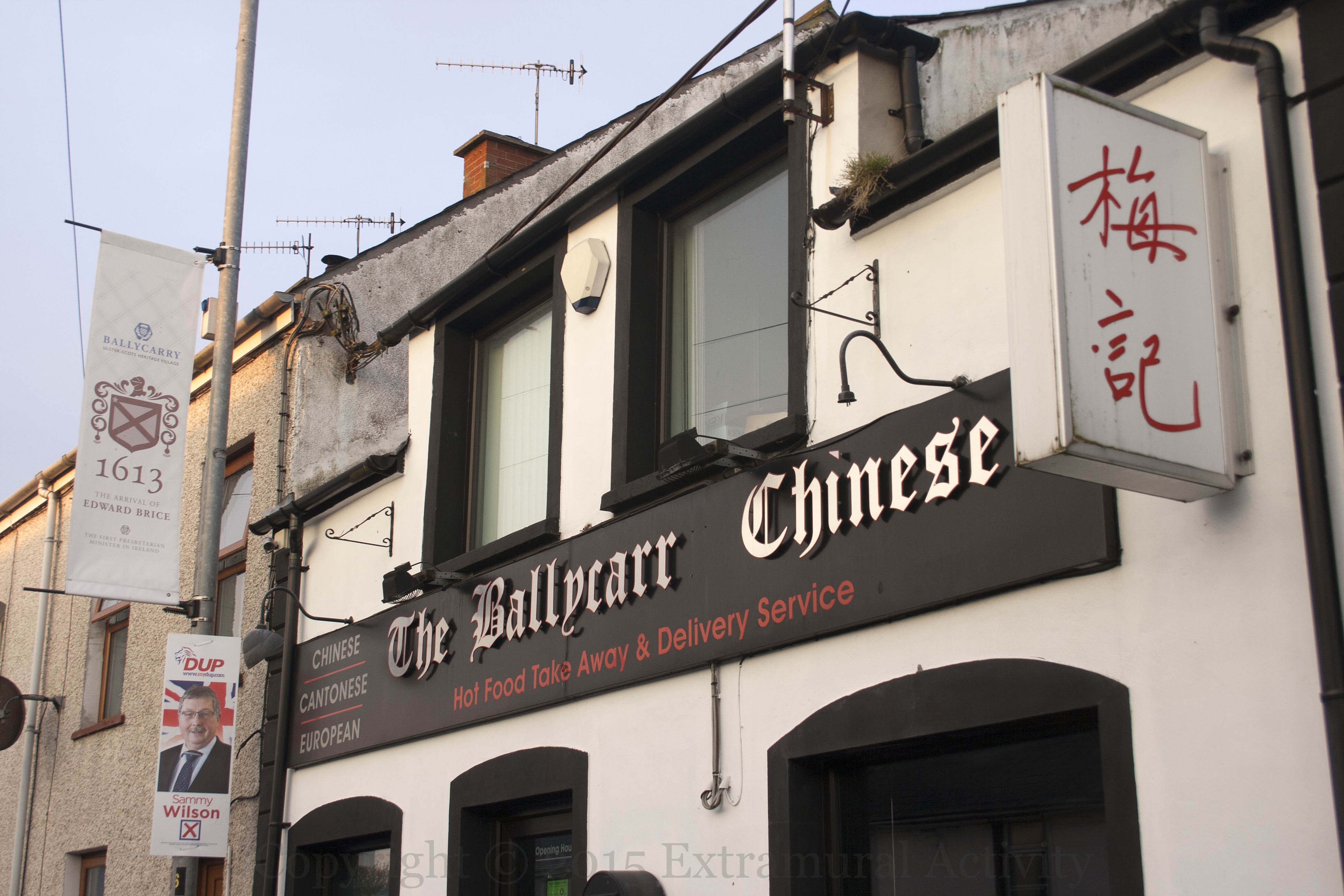
Chinese, Cantonese, European, and Presbyterian. Three signs outside the Chinese take-away in Ballycarry: the Chinese lettering for the restaurant, a DUP poster supporting Sammy Wilson, and an Ulster-Scots heritage banner: “1613 The Arrival of Edward Brice – The first presbyterian minister in Ireland”.
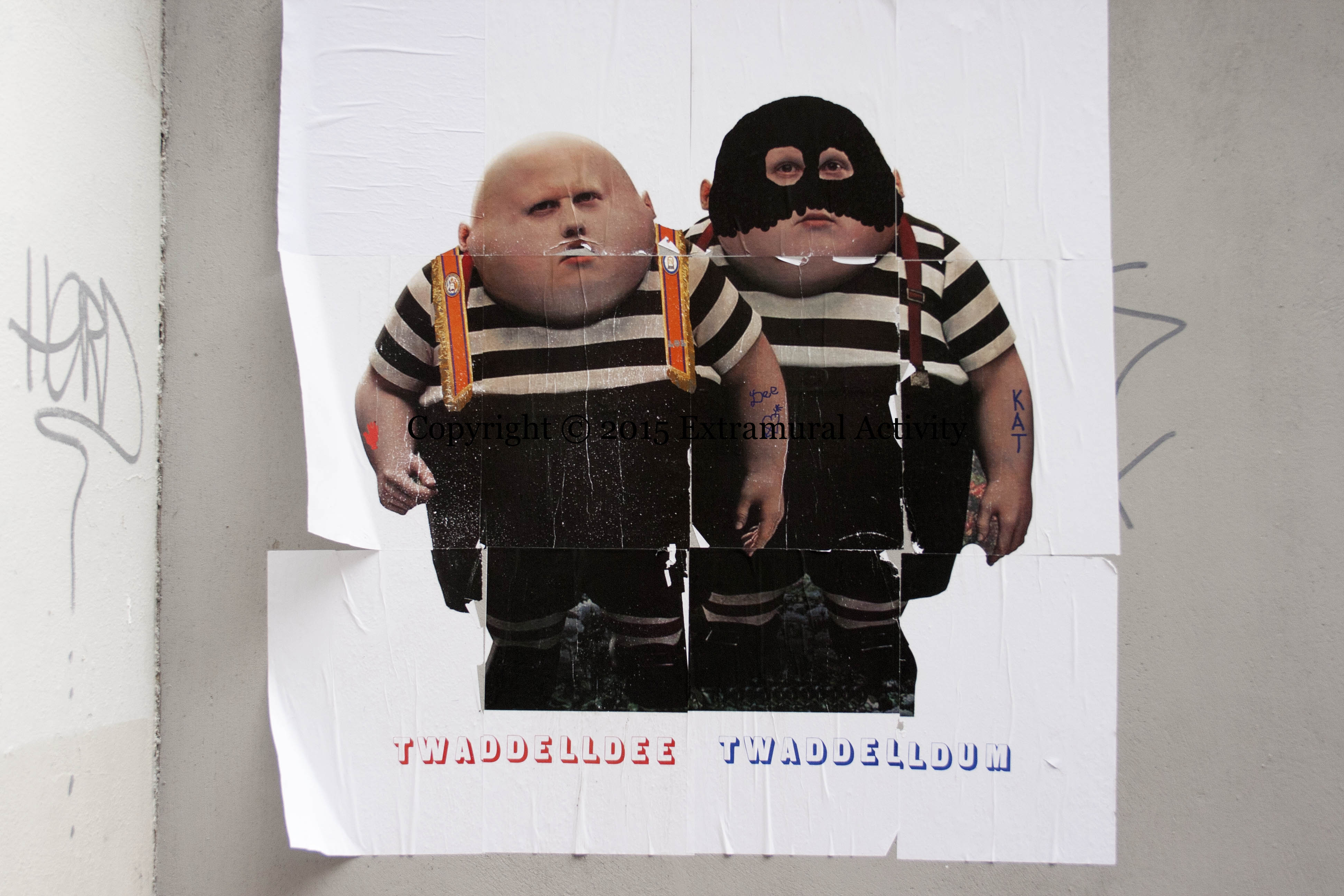
Lewis Carroll’s Tweedledee and Tweedledum (as imagined by Tim Burton for Disney) have been turned into Twaddelldee and Twaddelldum, Twaddelldee using an Orange collarette as braces and Twaddelldum with face-mask, concealed brick, and “KAT” tattoo. The protest at Twaddell Avenue continues, after more than 600 days. For background, see previously: Protest Camp | Civil Rights Camp | Supporters Club | No Surrender
Shepard Fairey used Mannie Garcia’s AP photo of Barack Obama for his ‘Hope’ poster of the 2008 US Presidential election (WP). The three-quarter profile, faraway look and four-tone shading have been repurposed for the board, shown above, in east Belfast: a boy gazes beyond Samson and Goliath, backgrounded by a sunburst: “Dream, Seek, Achieve, Educate, Achieve!”
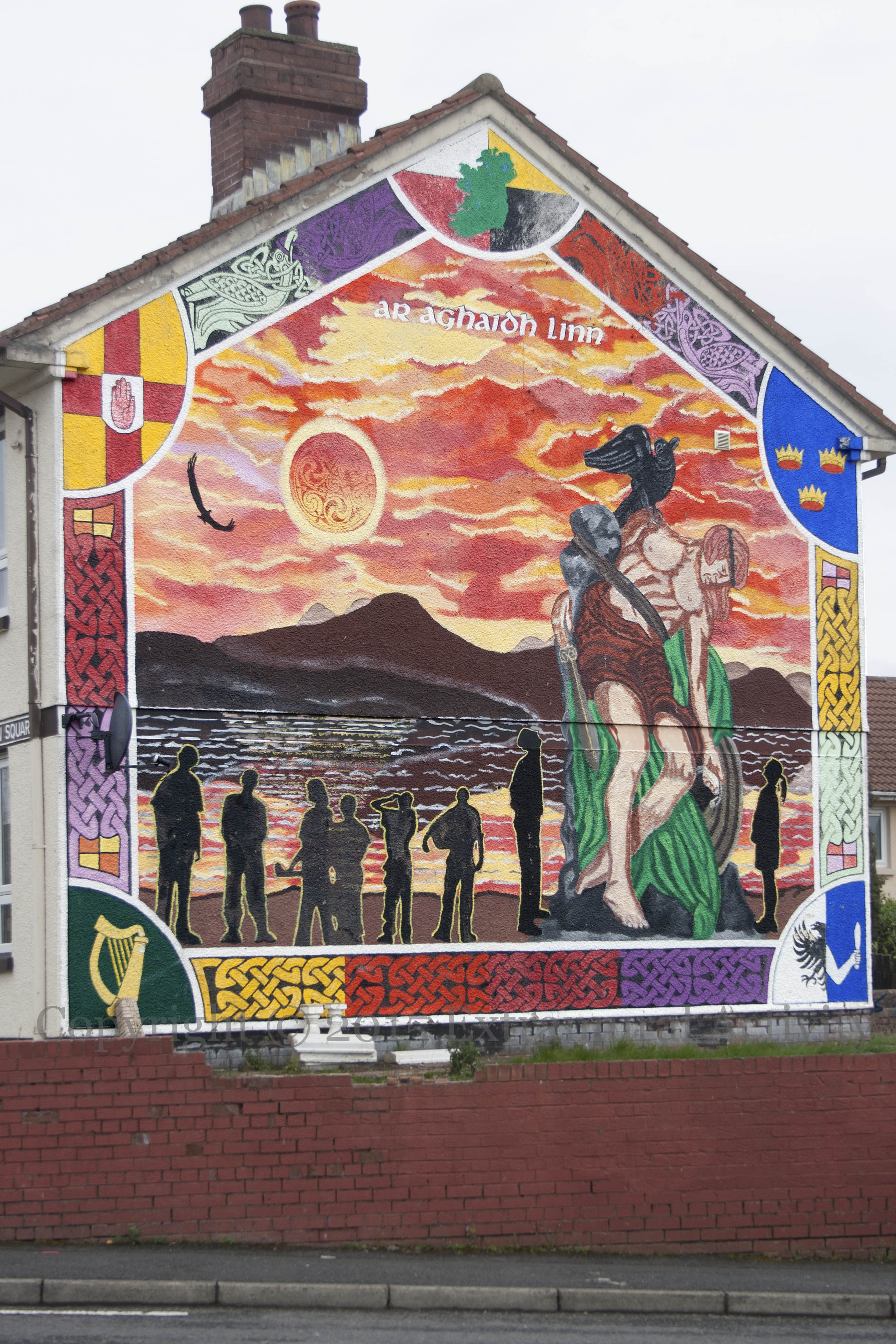
“Ar aghaıdh linn [Onward]” Silhouetted figures, one carrying a hurley, take inspiration from a dying Cú Chulaınn and gaze across a body of water, perhaps Carlingford Lough towards the mountains of Mourne – Cú Chulaınn’s traditional place of death is in County Louth, outside Dundalk. Tuan the hawk historian, who has seen all of the conquests of Ireland, flies overhead.
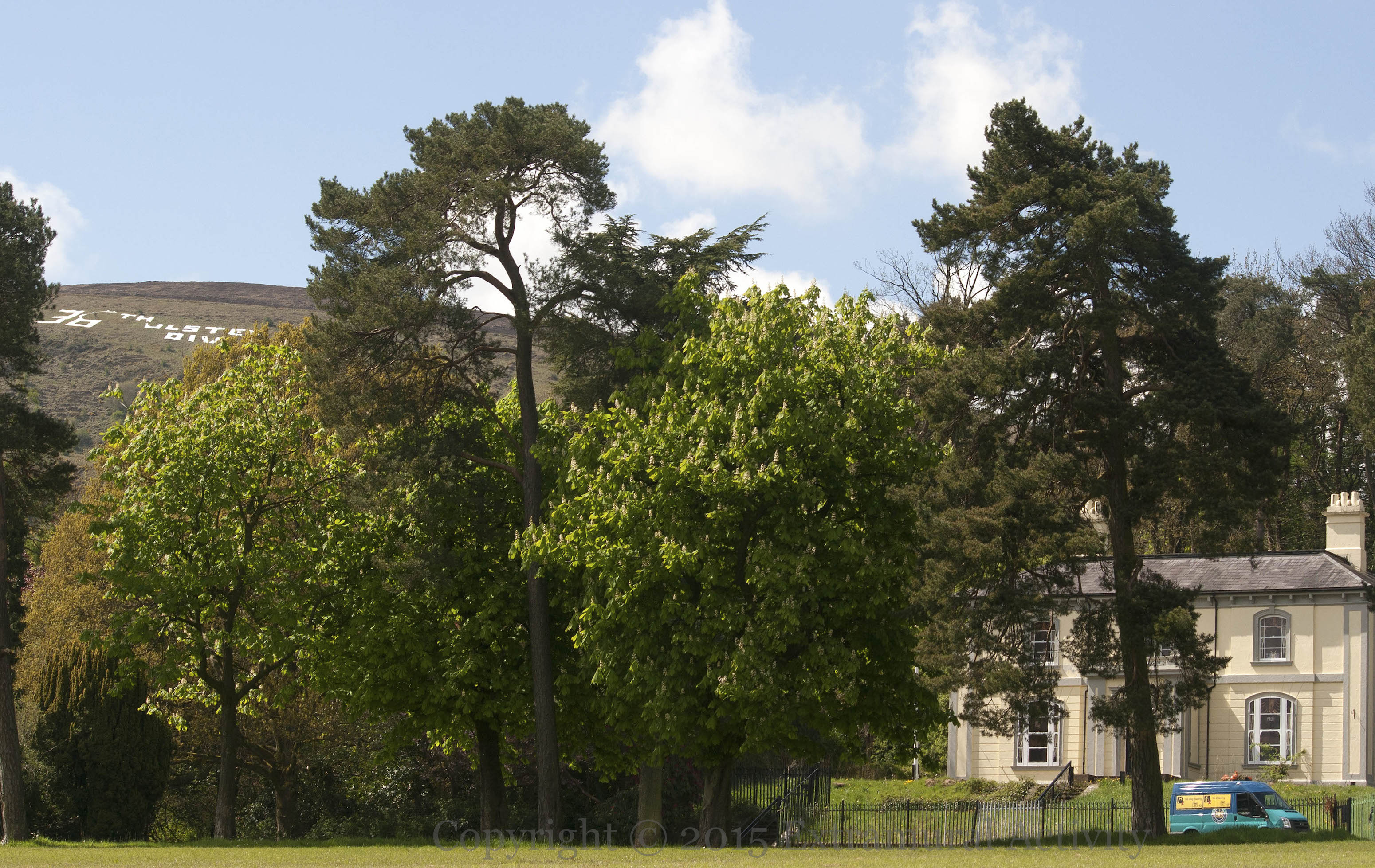
On May 8th, 1915, the various brigades of the 36th (Ulster) Division gathered together from all over the province (including some soldiers from Cavan, Monaghan, and Donegal) to be reviewed by Major General McCalmont in south Belfast; they then paraded to City Hall (South Belfast Friends Of The Somme Association). To commemorate the event the words “36th Ulster Div” have appeared on Black Mountain above Highfield and Ballygomartin (taking a leaf from the Gael Force Art book). The wide shot, below, is taken in front of Fernhill House in the Glencairn estate, where the Ulster Volunteers paraded in 1914. In July 1915 the 36th would leave for Sussex to continue their training and eventually find themselves at the battle of the Somme in 1916.






 Extramural Activity