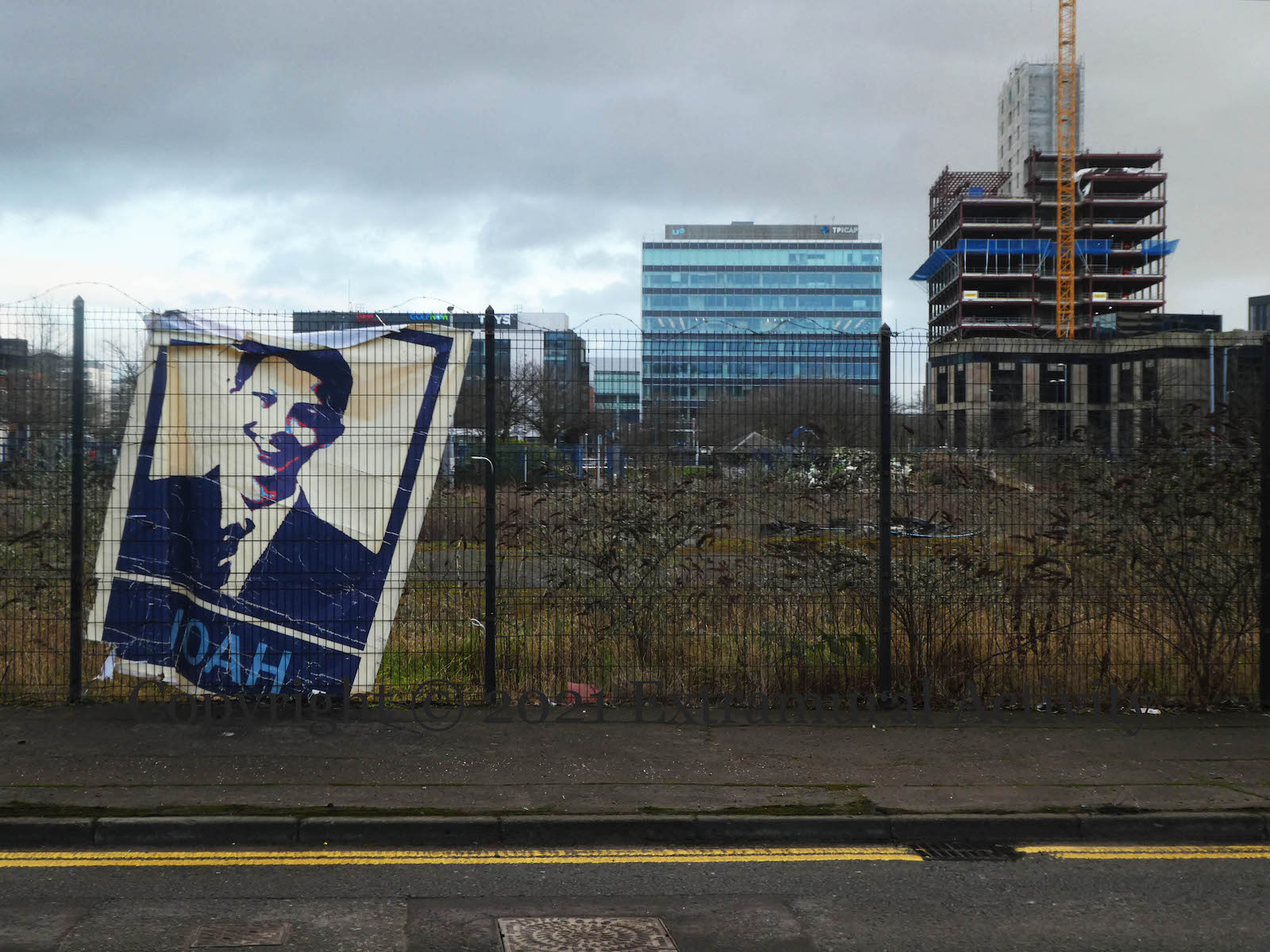
Two more images connected to the ongoing search for answers in the death of Noah Donohoe. Above, a large tarp in Corporation Street; below, an additional banner in Carrick Hill, alongside Carrick Hill Supports Fiona.
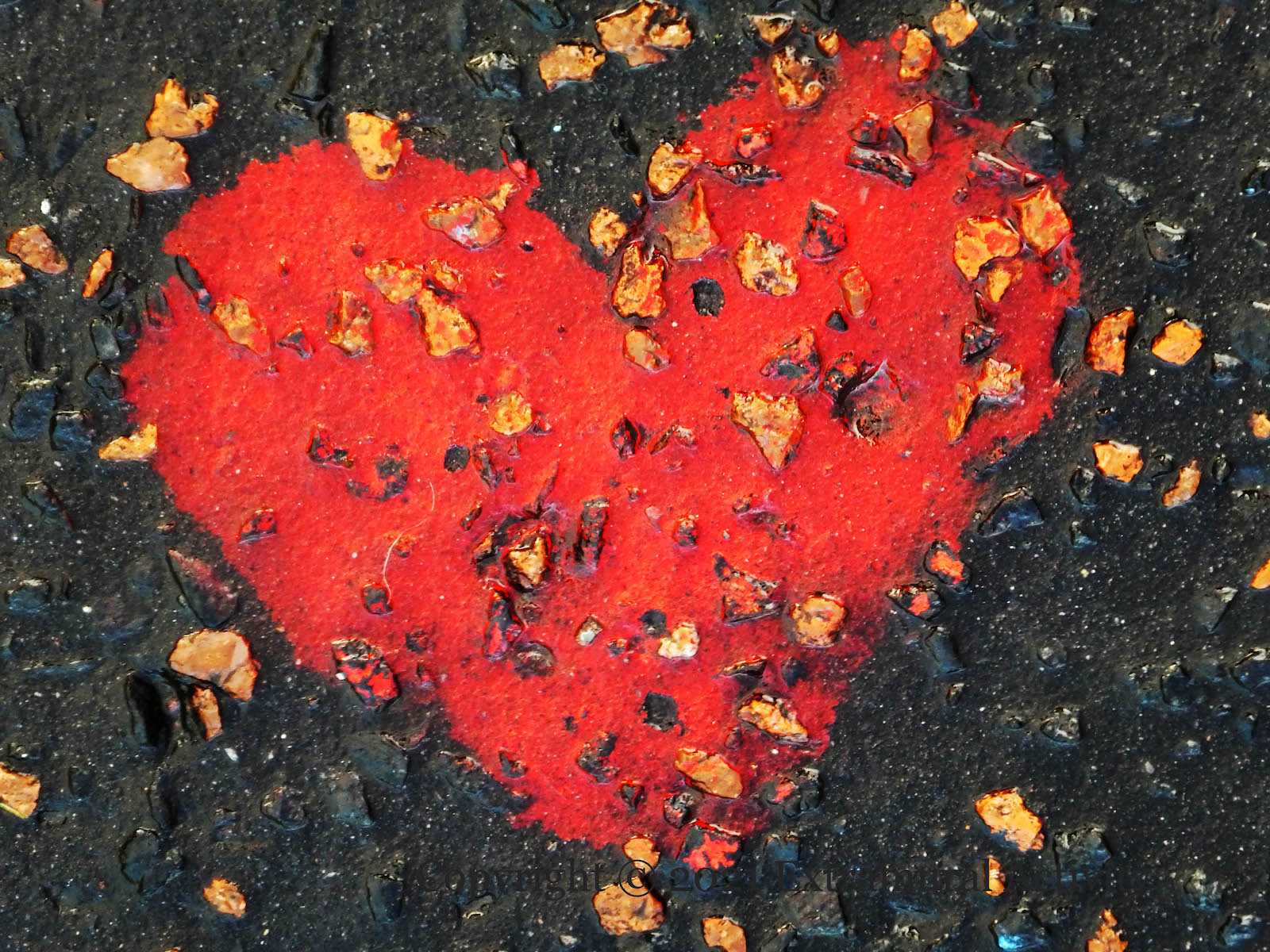
Hearts are painted on the ground outside Seaview Primary School, 2 metres apart, so that children can maintain physical distance from one another when lining up.
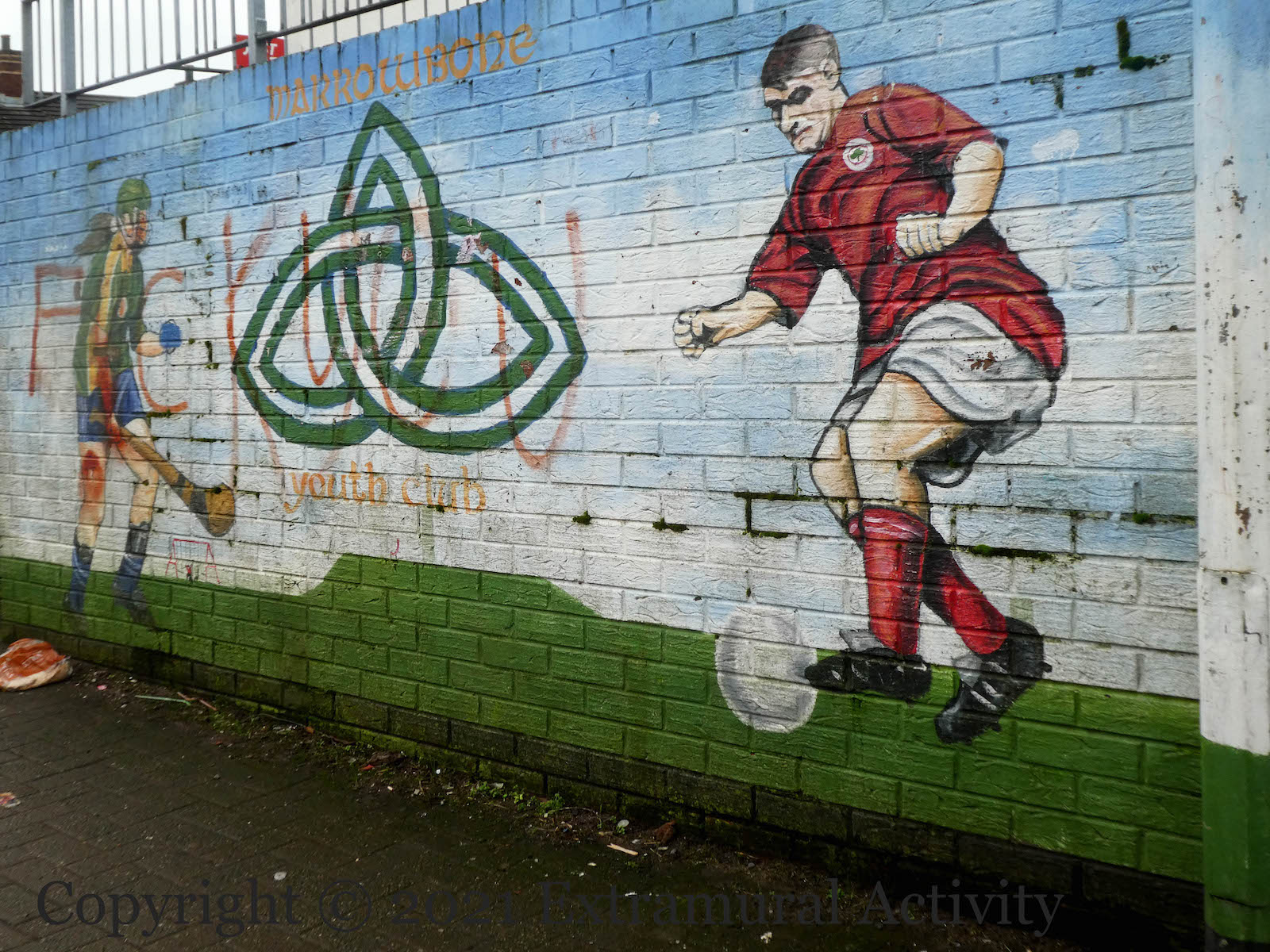
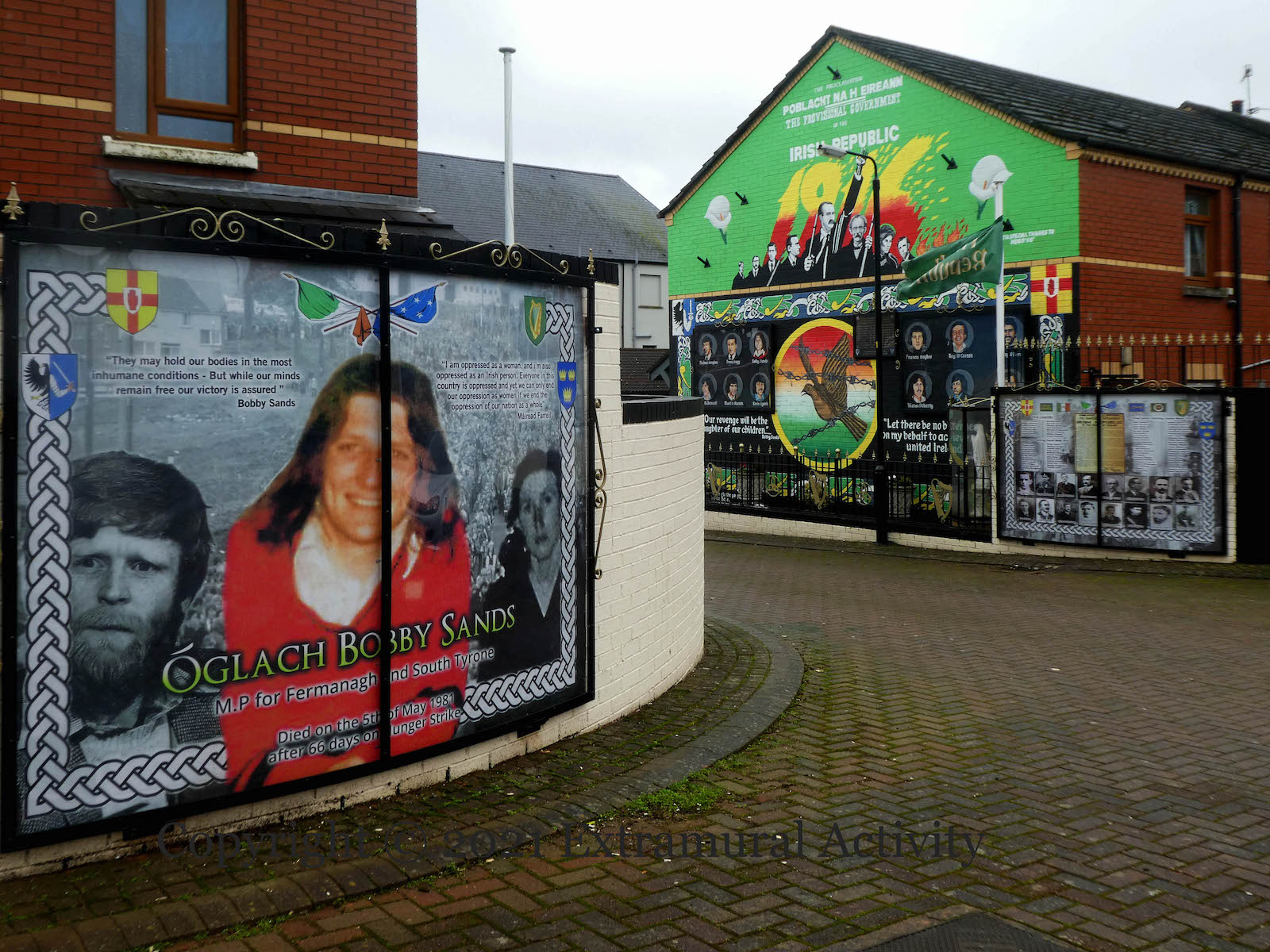
Mairéad Farrell (on the right of the image above) was arrested for planting a bomb at a hotel in Dunmurry in April 1976, one month after Special Category Status for republican prisoners had been revoked. Kieran Nugent (on the left) began the “blanket” protest in September that year and Farrell was the first person to join the protest, when she arrived in Armagh women’s prison to begin her fourteen year sentence. She later took up a dirty protest and joined the 1980 hunger strike. She stood for election in 1981 (in Cork), but, unlike “Óglach Bobby Sands, MP for Fermanagh and South Tyrone”, was not successful. (WP)
“I am oppressed as a woman and I am oppressed as an Irish person. Everyone in this country is oppressed and yet we can only end our oppression as women if we end the oppression of our nation as a whole.” Máiread [sic] Farrell
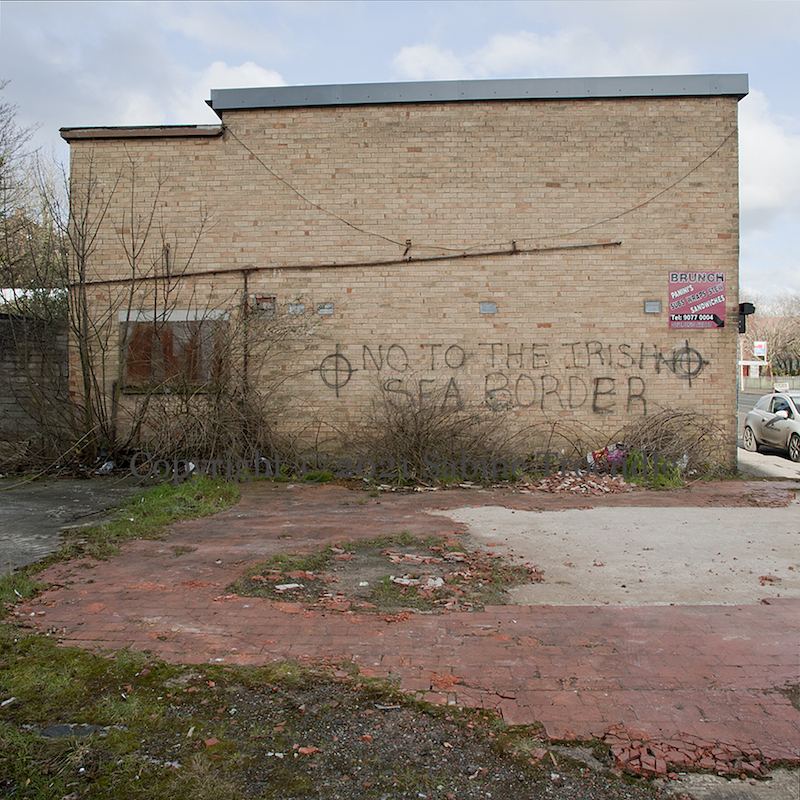
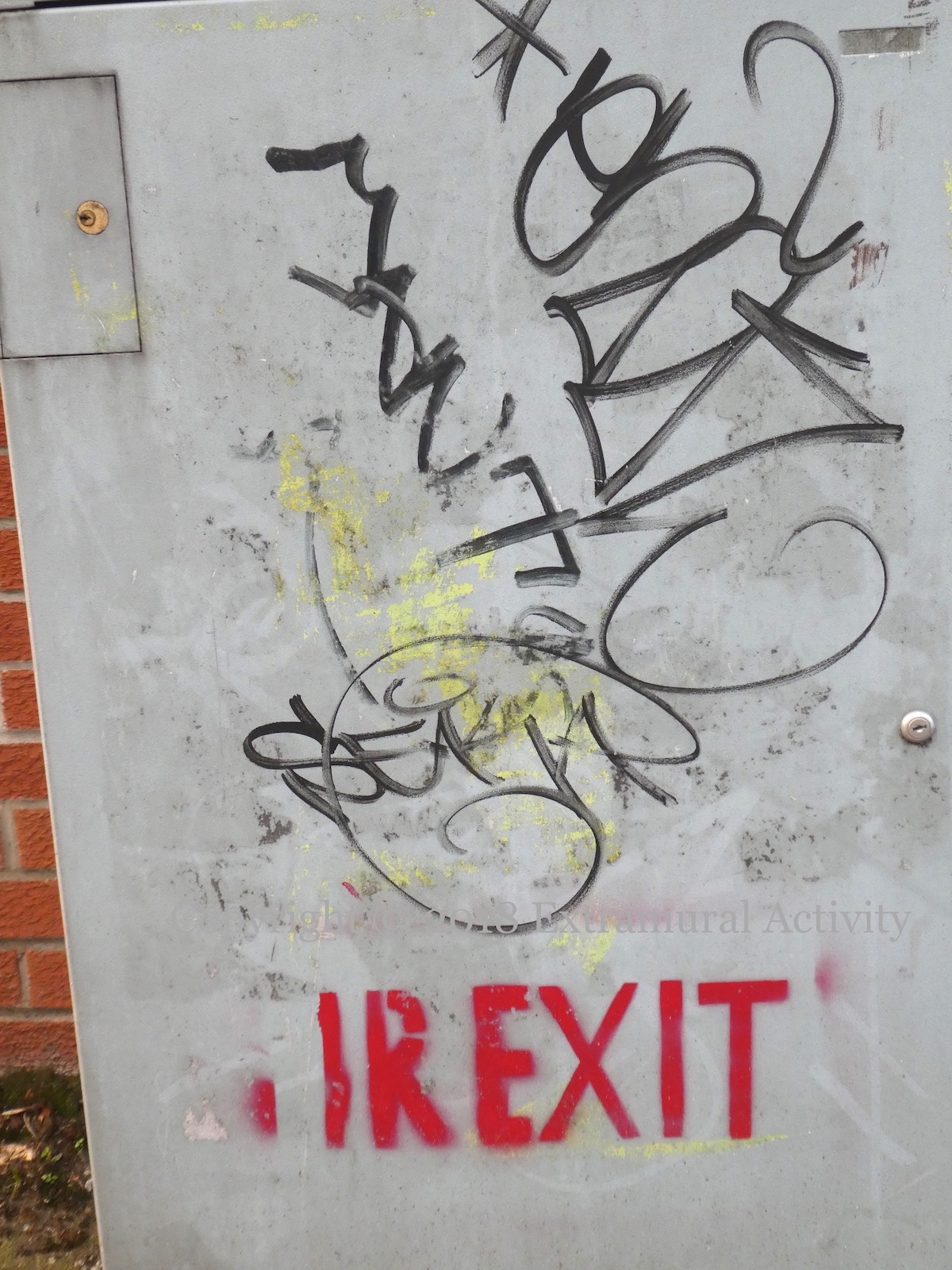
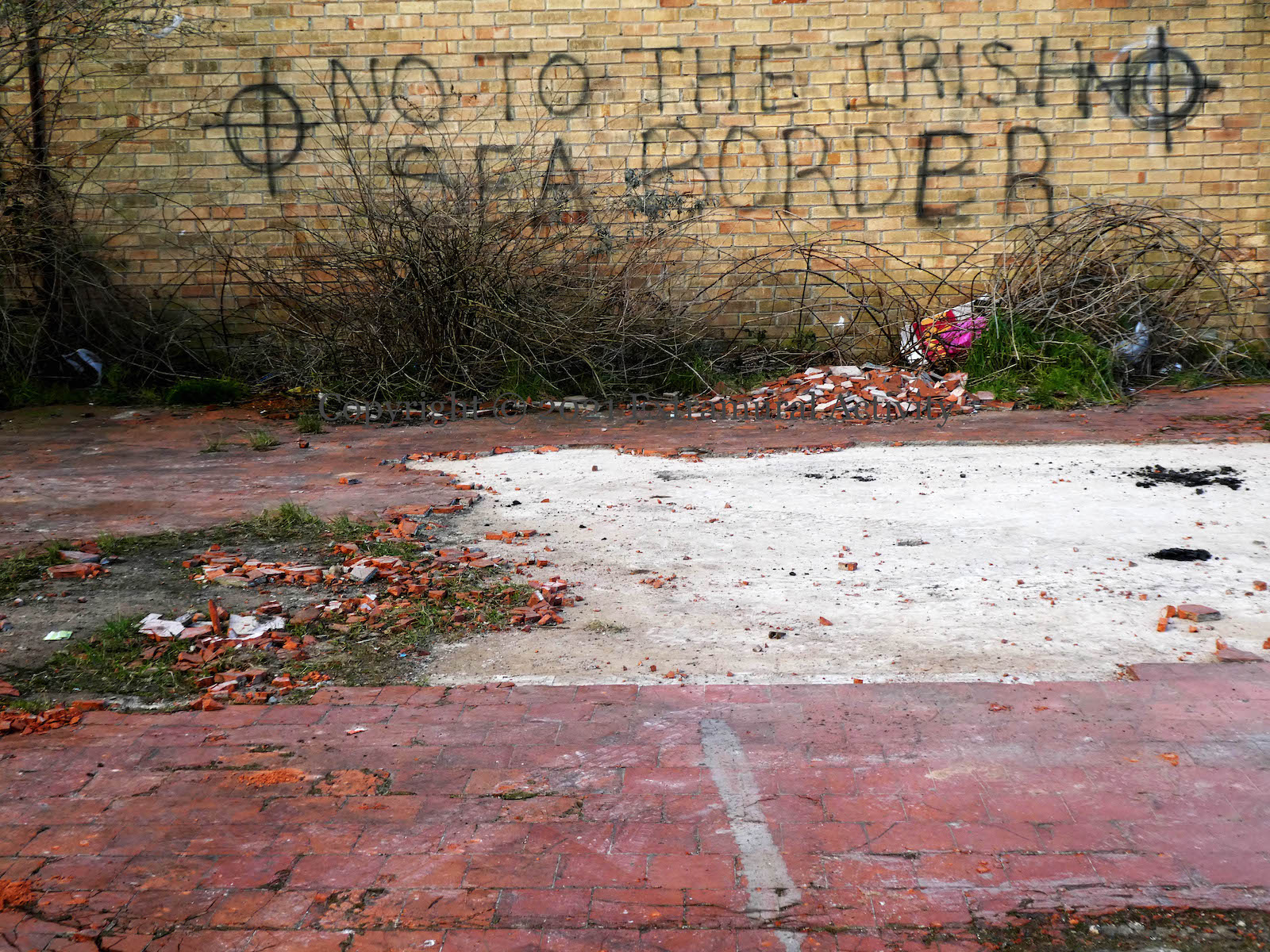
When it was launched in September 2018 (Irish Times), the Irish Freedom Party (web | tw) found some support in at least one north Belfast stencilist. But murals and graffiti that don’t meet with universal approval draw public replies: “Irexit … is a shite ideology perpetuated by fascists. My 32 counties doesn’t do racism. No pasaran!”
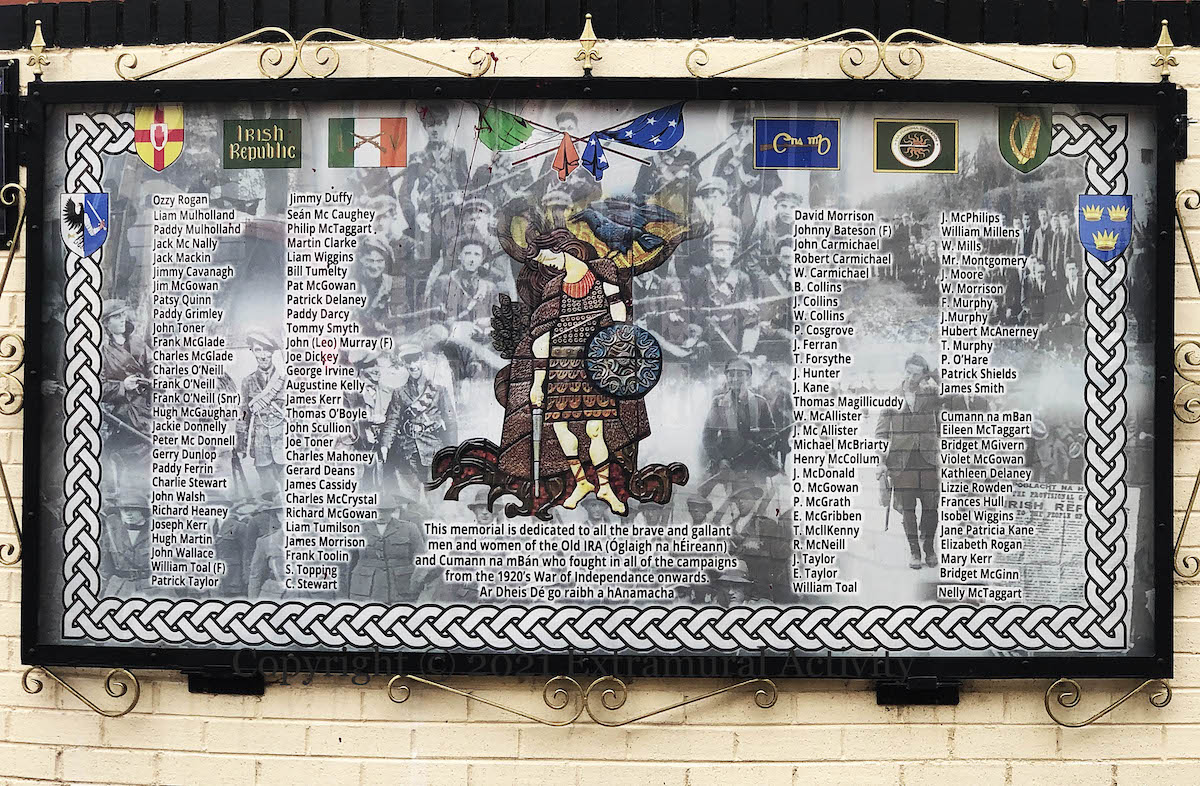
Cú Chulaınn stands dying; the raven on his shoulder will signal his death. “This memorial is dedicated to all the brave and gallant men and women of the Old IRA (Óglaıgh na hÉıreann) and Cumann Na mBán who fought in all of the campaigns from the 1920s War of Independence onwards.”
The Irish tricolour with crossed rifles was the flag of the Irish Volunteers (Óglaıgh na hÉıreann), the splits in which gave rise all the subsequent IRAs.
For a roll of honour 1916-1966, including some profiles, see Treason Felony.
“‘To unite Protestant, Catholic and Dissenter under the common name of Irishmen in order to break the connection with England, the never failing source of all our political evils, that was my aim’ (Theobald Wolfe Tone, 1763-1798)”. As the dates suggest, Tone was captured and sentenced to death; his exact cause of death is uncertain – perhaps a self-inflicted knife to the throat, or a bullet to the throat. The other portraits are of Michael Dywer [should be “Dwyer”], Lord Edward Fitzgerald, Anne Devlin, Mary Anne McCracken, Betsy Gray, Fr. John Murphy, William Orr, Robert Emmet, Henry-Joy McCracken, and Jeremiah O’Donovan Rossa.
Ard An Lao/Ardilea, Machaıre Botháın/the Bone, Ard Eoın/Ardoyne
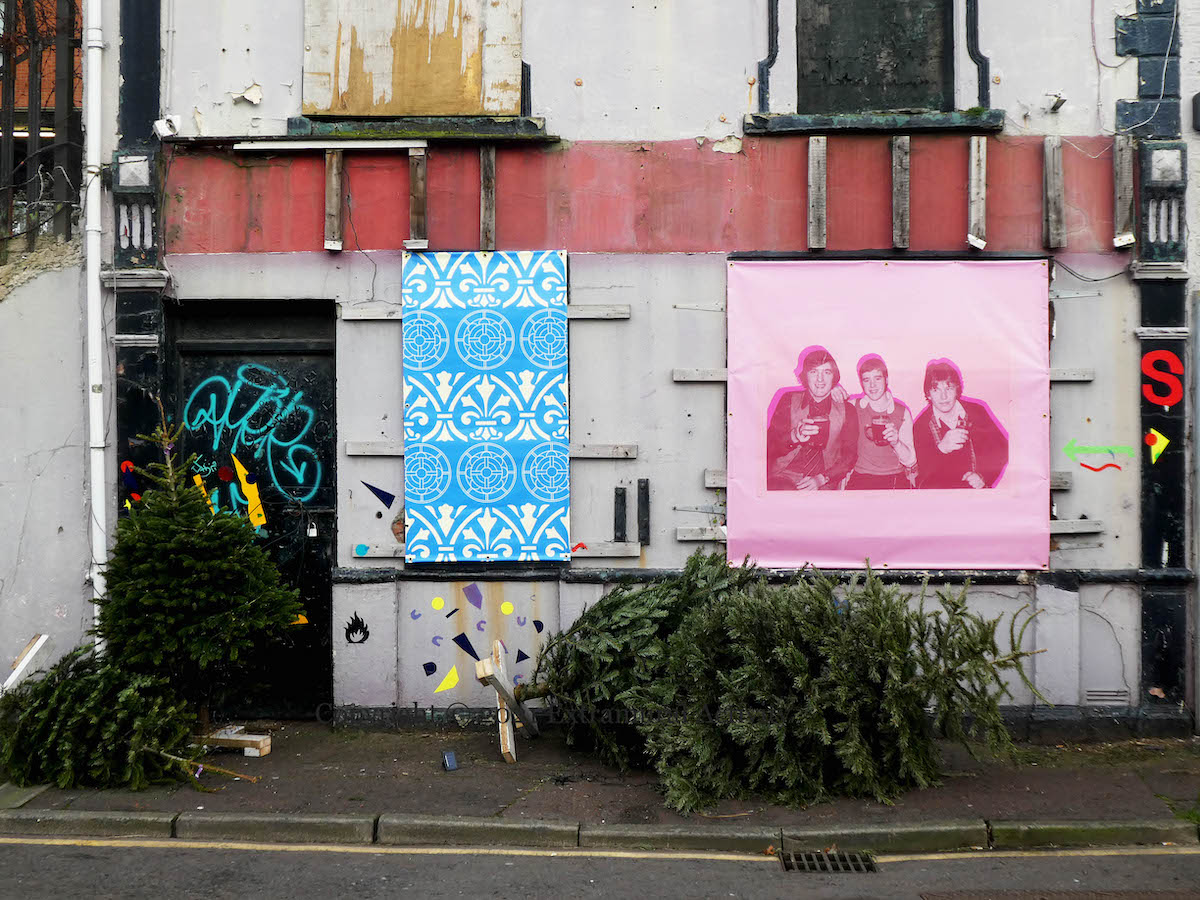
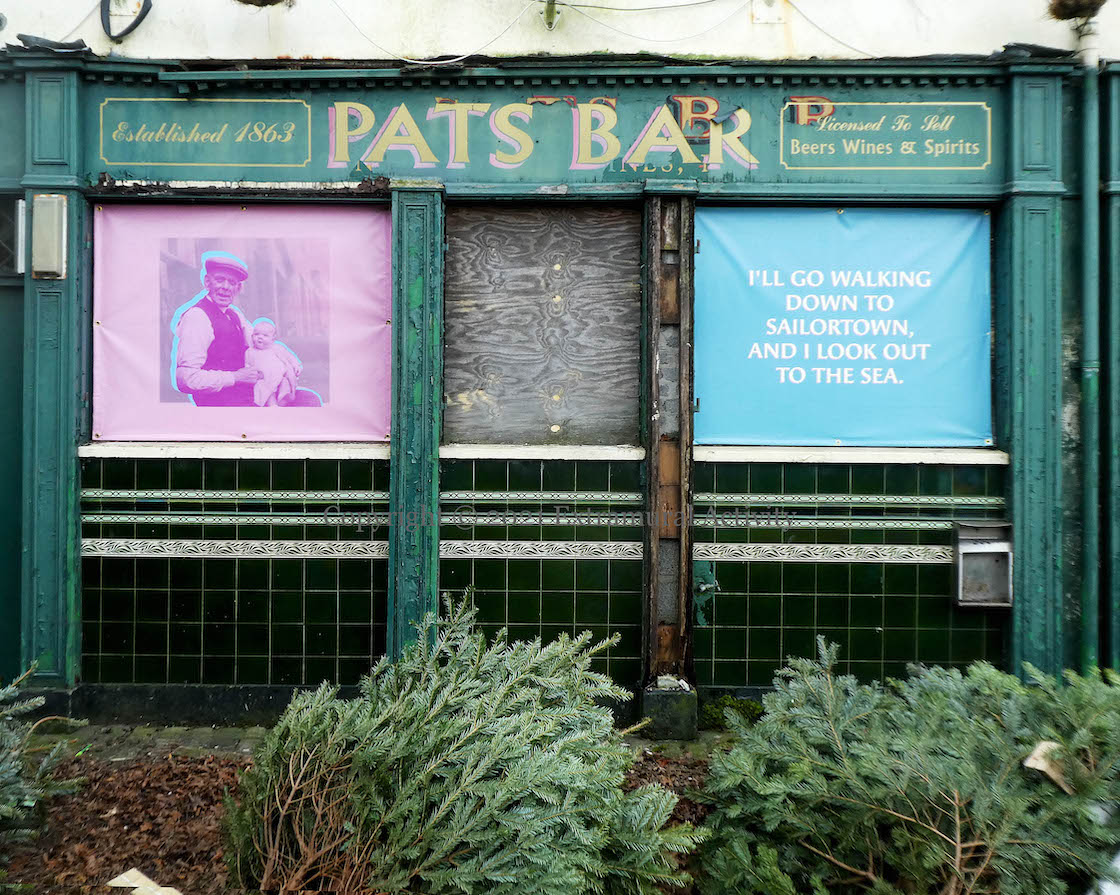
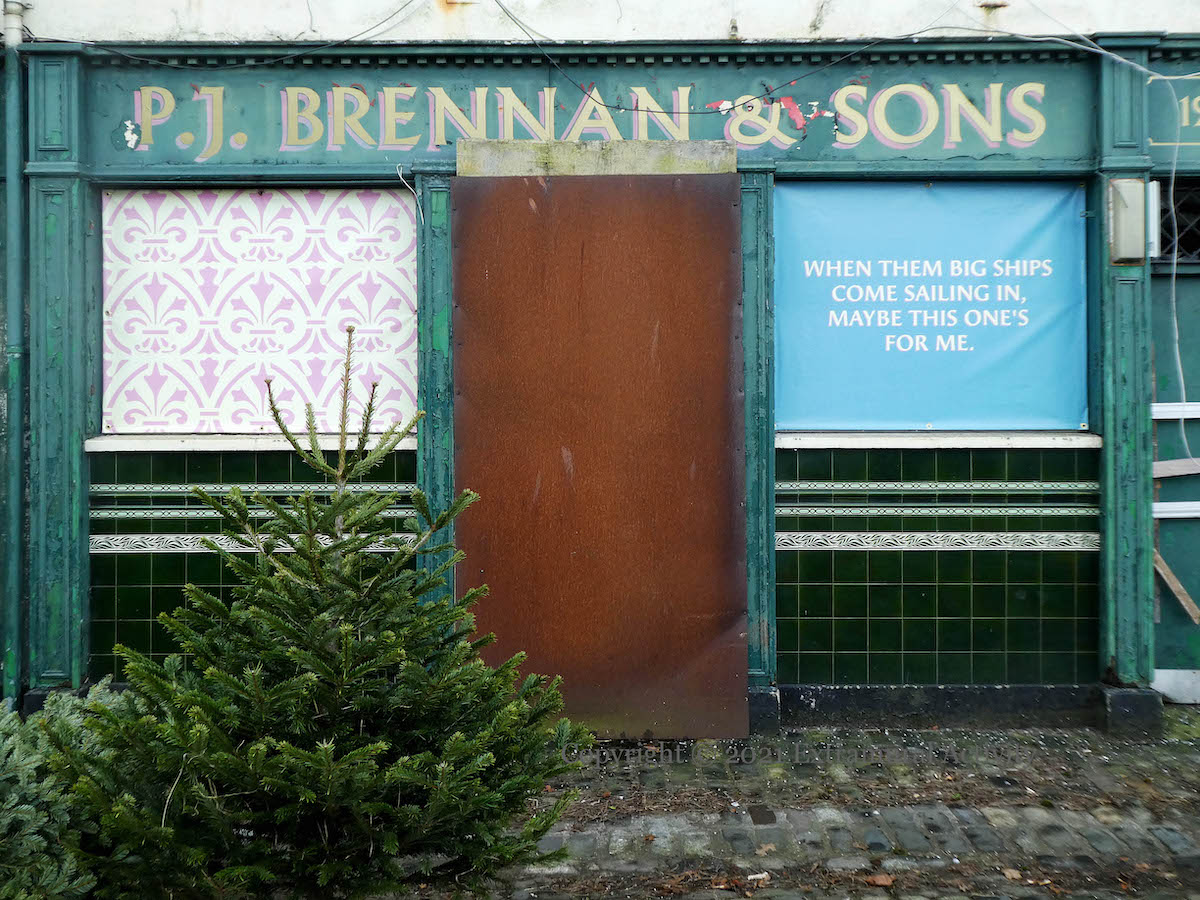
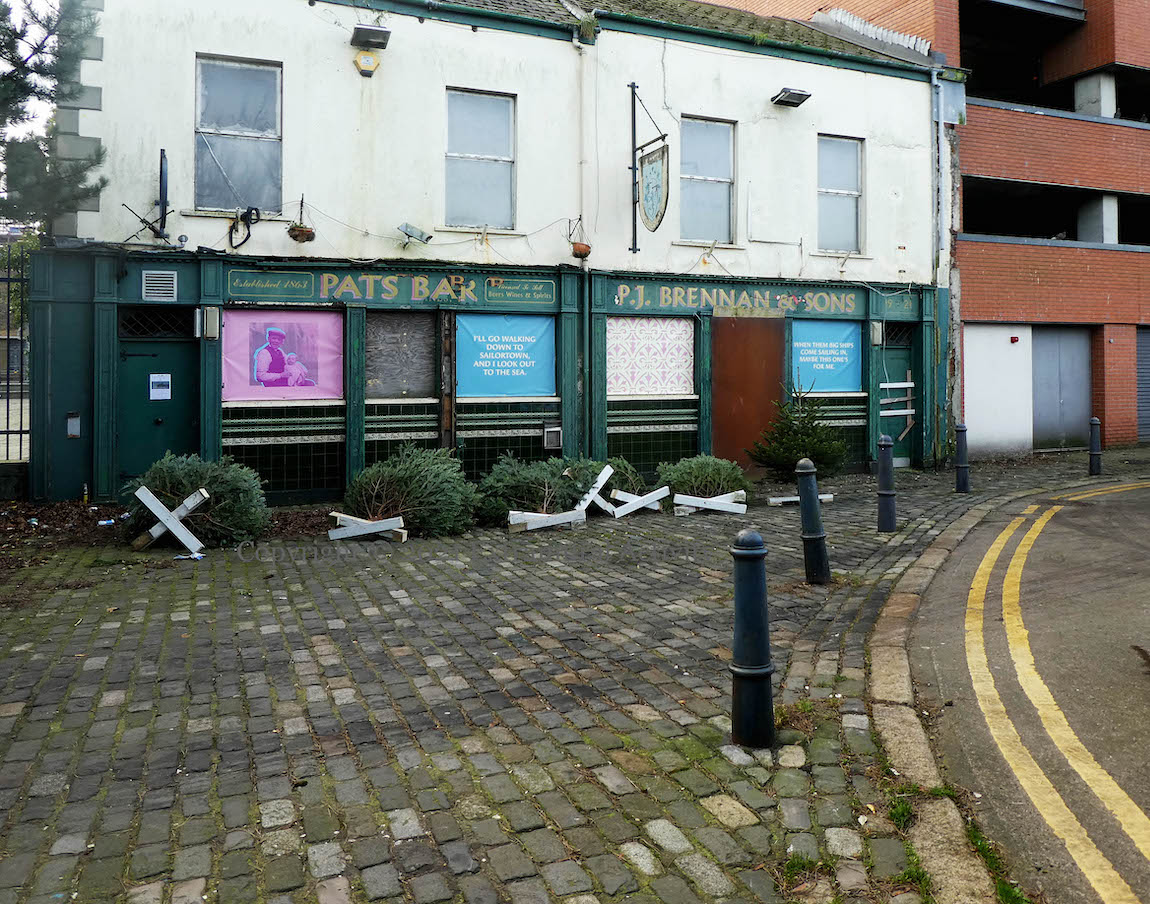
Here are images from Sailortown of the Rotterdam and Pat’s, back to back in Pilot Street and Princes Dock Street, both boarded up well before pandemic closures.
The fourth review of evidence in the case of Noah Donohoe, in preparation for a later coroner’s inquest, is scheduled to take place on January 18th (Belfast Live). Friends, family, and concerned members of the public are continuing their campaign for answers, using the hashtag #NoahsArmy on Twitter. The sign shown above is on the top floor of Teach Mhéabh (Maeve House) in the New Lodge.
“Glorie tae God, the Messiah’s come noo”. The story of the birth of Jesus is told in Ulstèr-Scotch passages from the Bible and from Alexander Halliday’s song on tarps around the North Belfast Orange Memorial Hall. “A virgin will cairrie a wean … an whan he’s boarn, he’ll be caad Immanuel, mainin “God is wi iz.” (Mattha 1v23)” “When frae the East the wise men cam/The staur in Bethlehem was brightly shinin’/Doon on the place whaur lay the Lamb/And the angels roon’ about were singin’.”