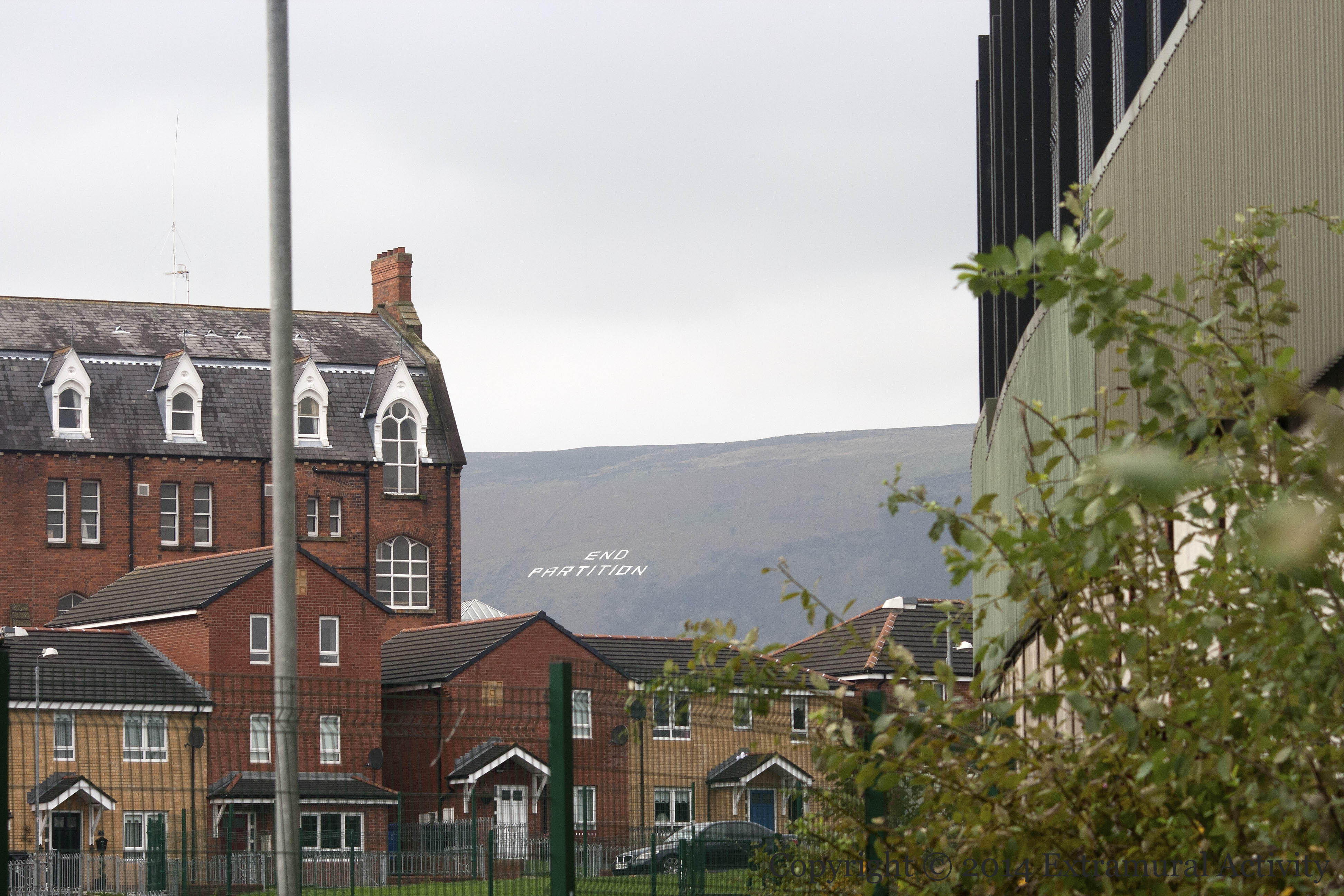
“End partition” was the message on the mountain (Black Mountain/Slıabh Dubh) last week, shown here between Clonard Monastery on the left (where the Hume-Adams talks took place in 1988 and 1993) and the Cupar Way “peace” line on the right.
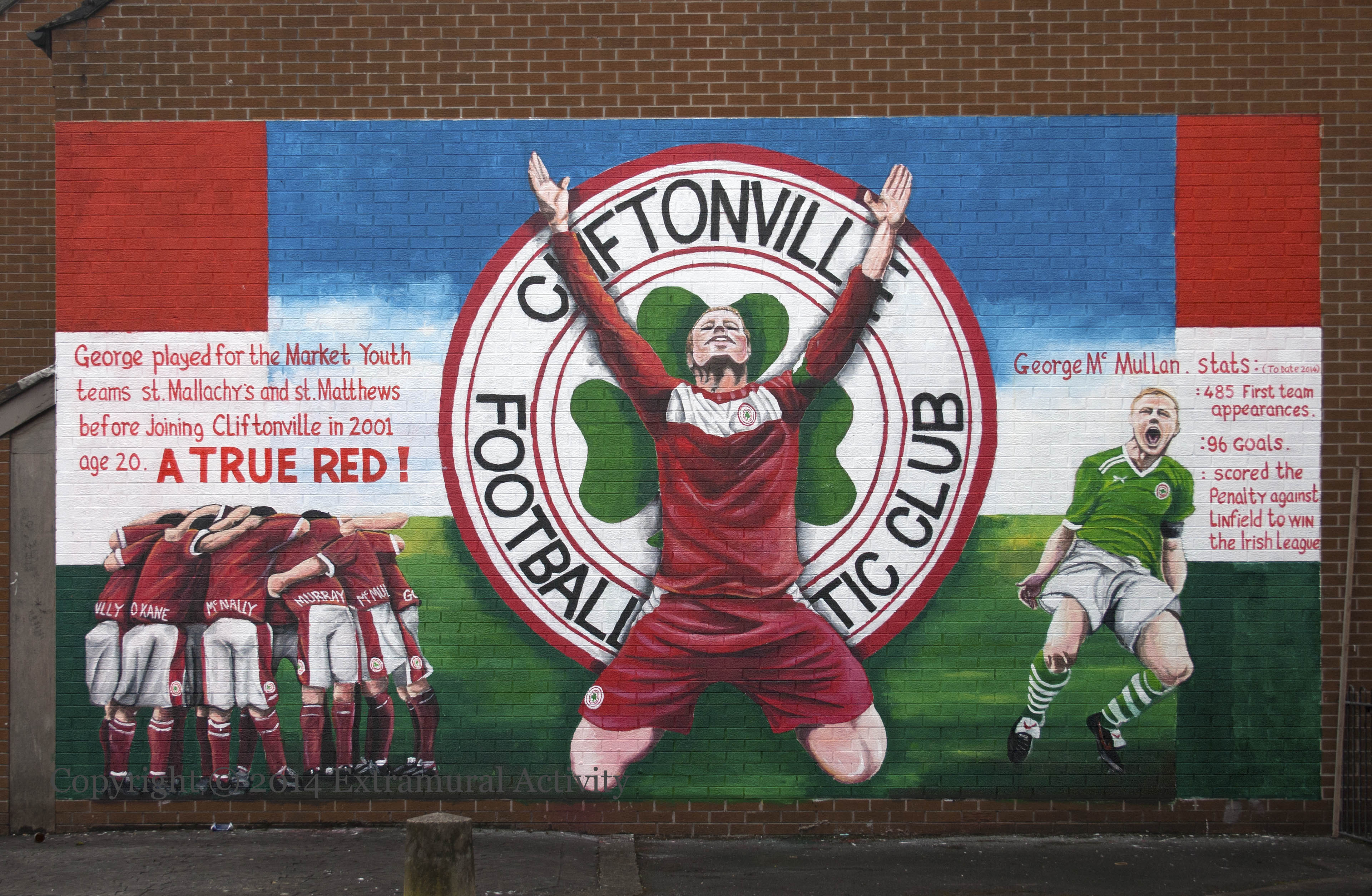
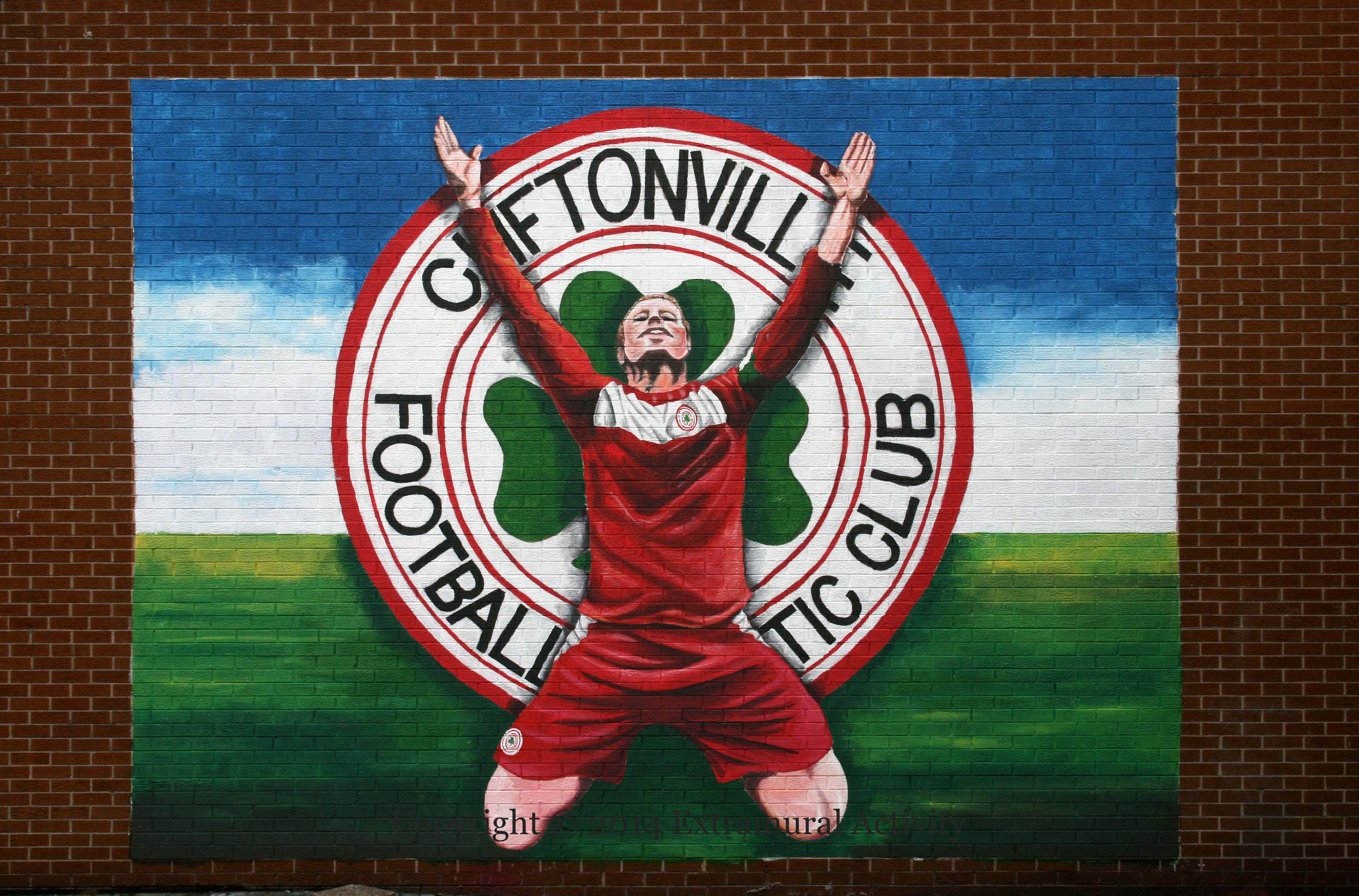
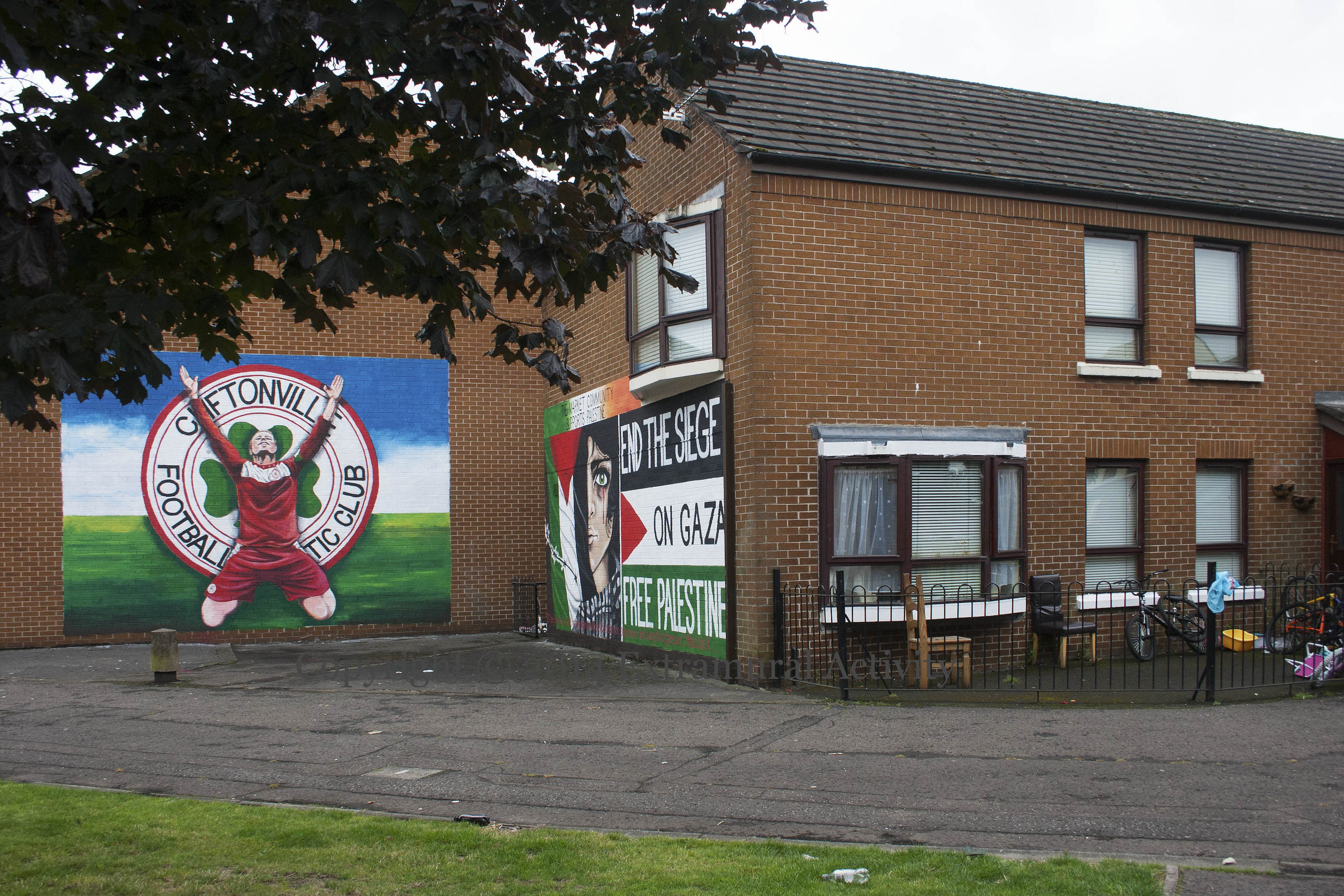
Here is a mural in the Markets area of south Belfast celebrating the achievements of local boy George McMullen, who played youth football for St. Malachy’s and St. Matthew’s before joining Cliftonville in 2011 age 20.
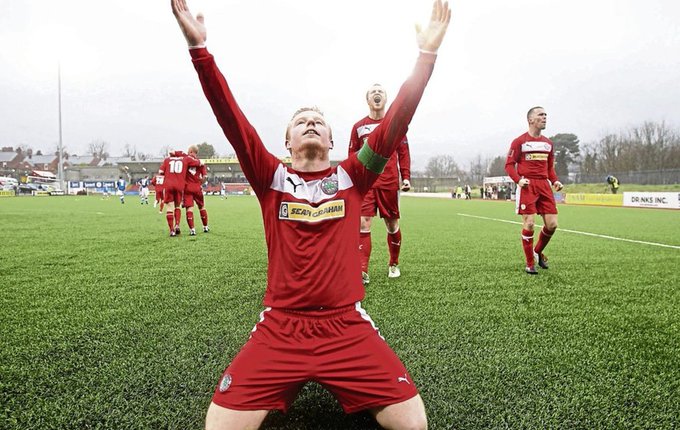
On the left is the familiar Cliftonville huddle (see previously: The Red Army). The two poses in the centre and on the left are reproductions of Belfast Telegraph images. The first is from Cliftonville’s 2013 Dankse Bank Irish League-clinching win over Linfield, which the Reds won with a McMullen penalty in the dying seconds; the second in from the same moment in the 2014 campaign: Chris Curran has just scored to put the Reds two-nil up in a game against Portadown that would win them the League for the second year in succession.
Other Cliftonville players have been featured in murals: Joe The Goal in Ardyone and Rory Donnelly in the Bone.
Below is a shot of the piece in development and below that is a wide shot showing the mural’s location adjacent to the End The Siege On Gaza mural.
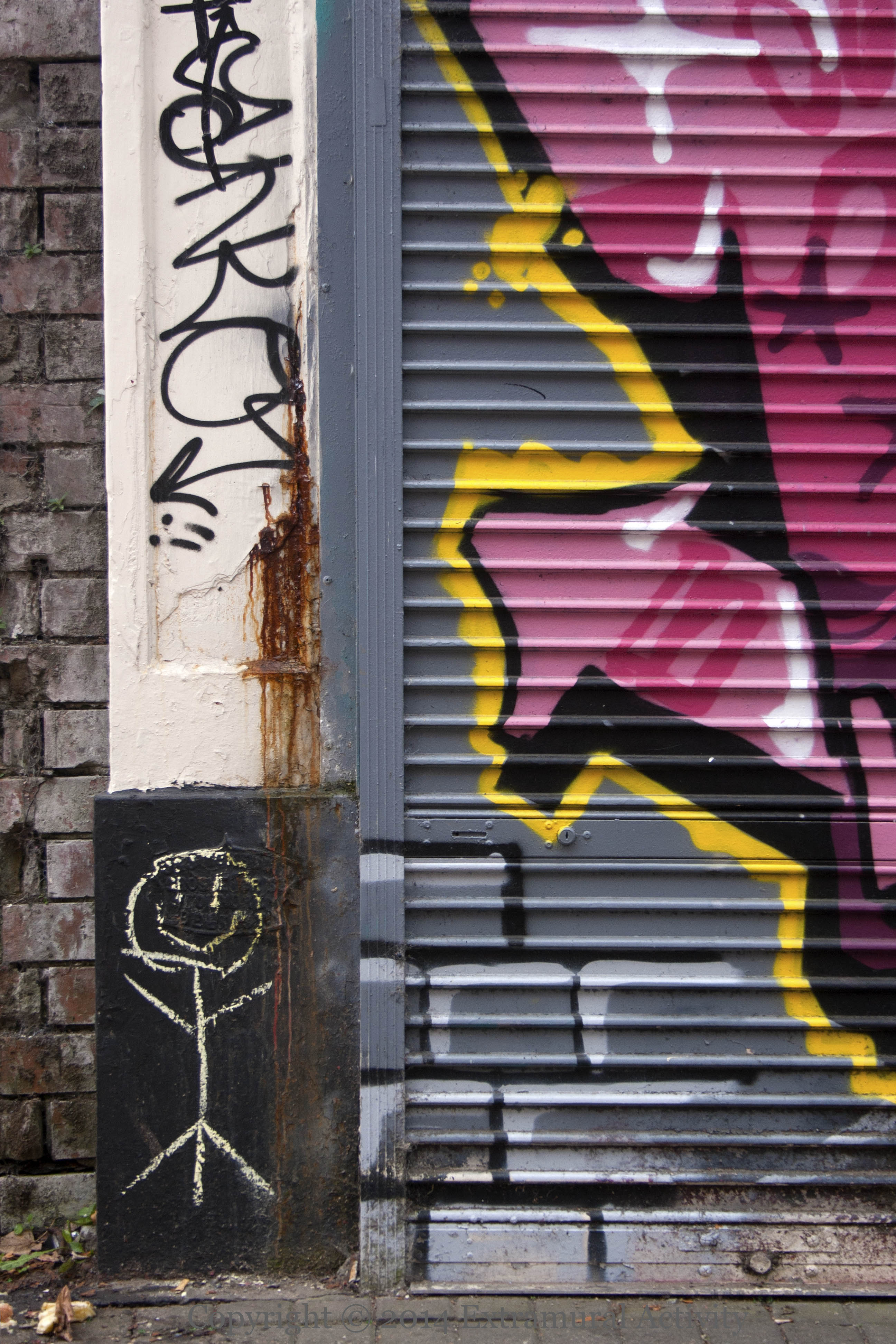
In Belfast, we like to get our kids started early with drawing in the street – see the gallery of images from Jacqueline Wylie’s CNB14 Rainbow Crossing – and one of them even took to the wall in North Street.
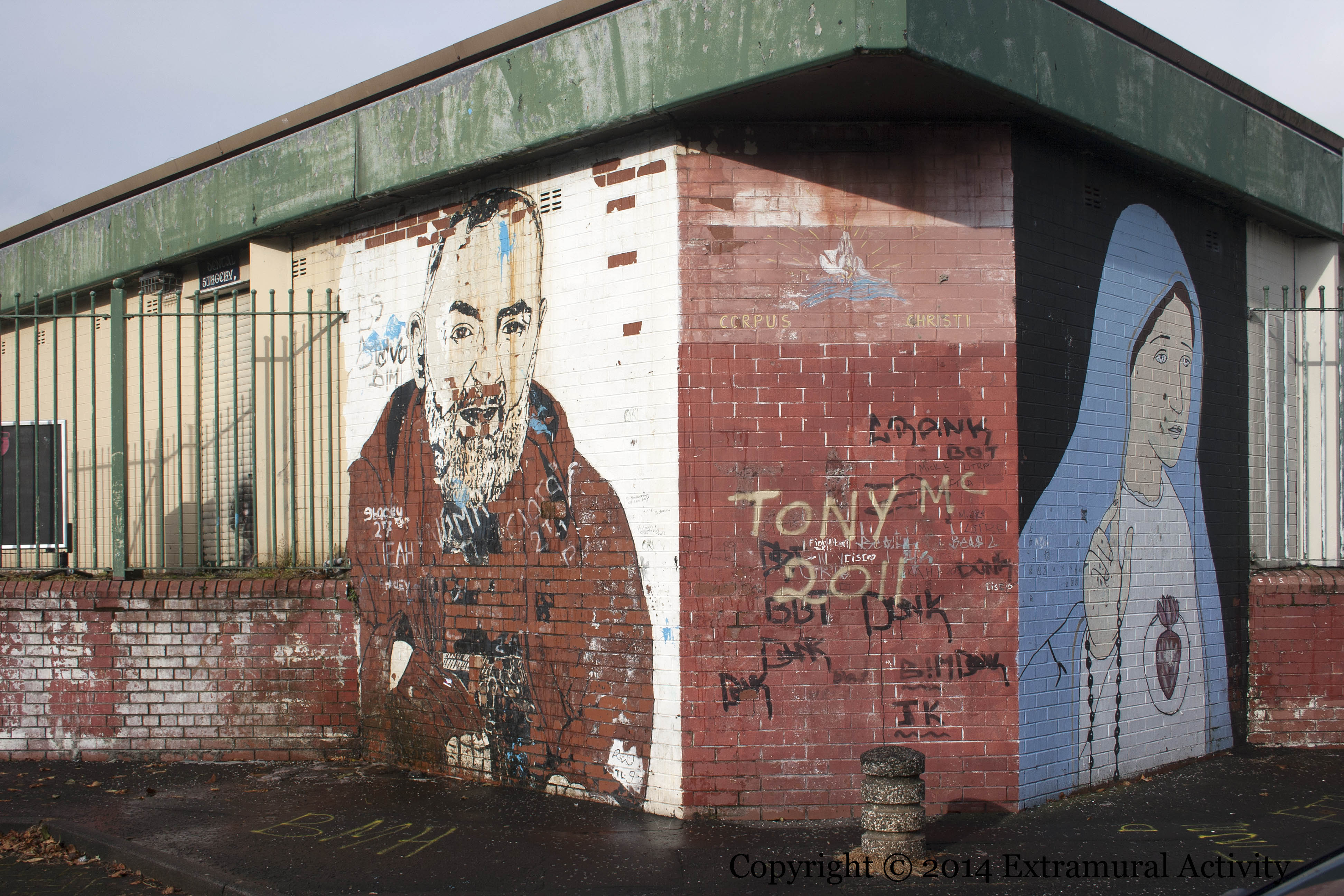
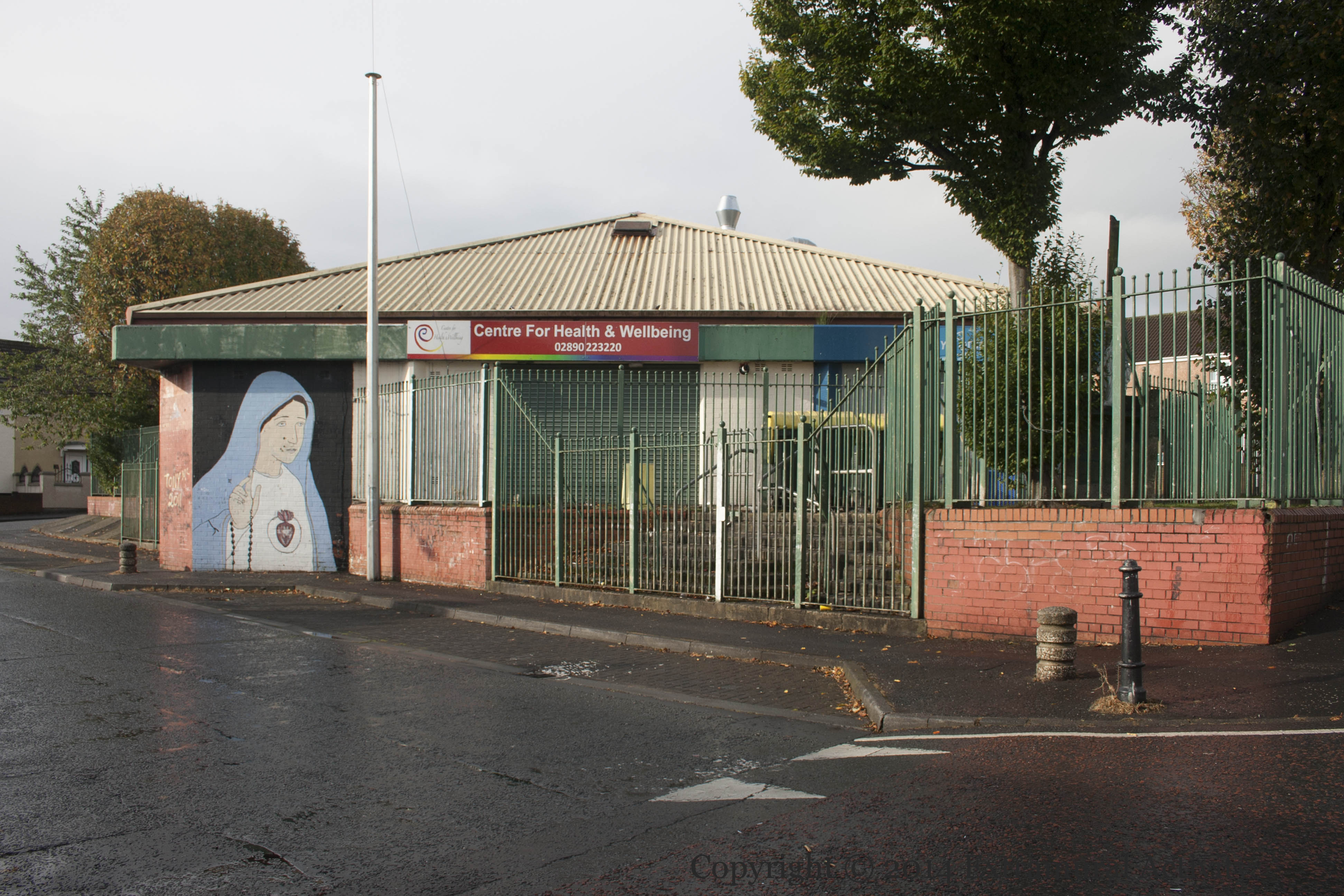
Images of Padre Pio, the Capuchin friar, and Our Lady with a sacred heart adorn the outside of the Centre For Health & Well-Being in Ballymurphy’s bullring. Wide shot below.
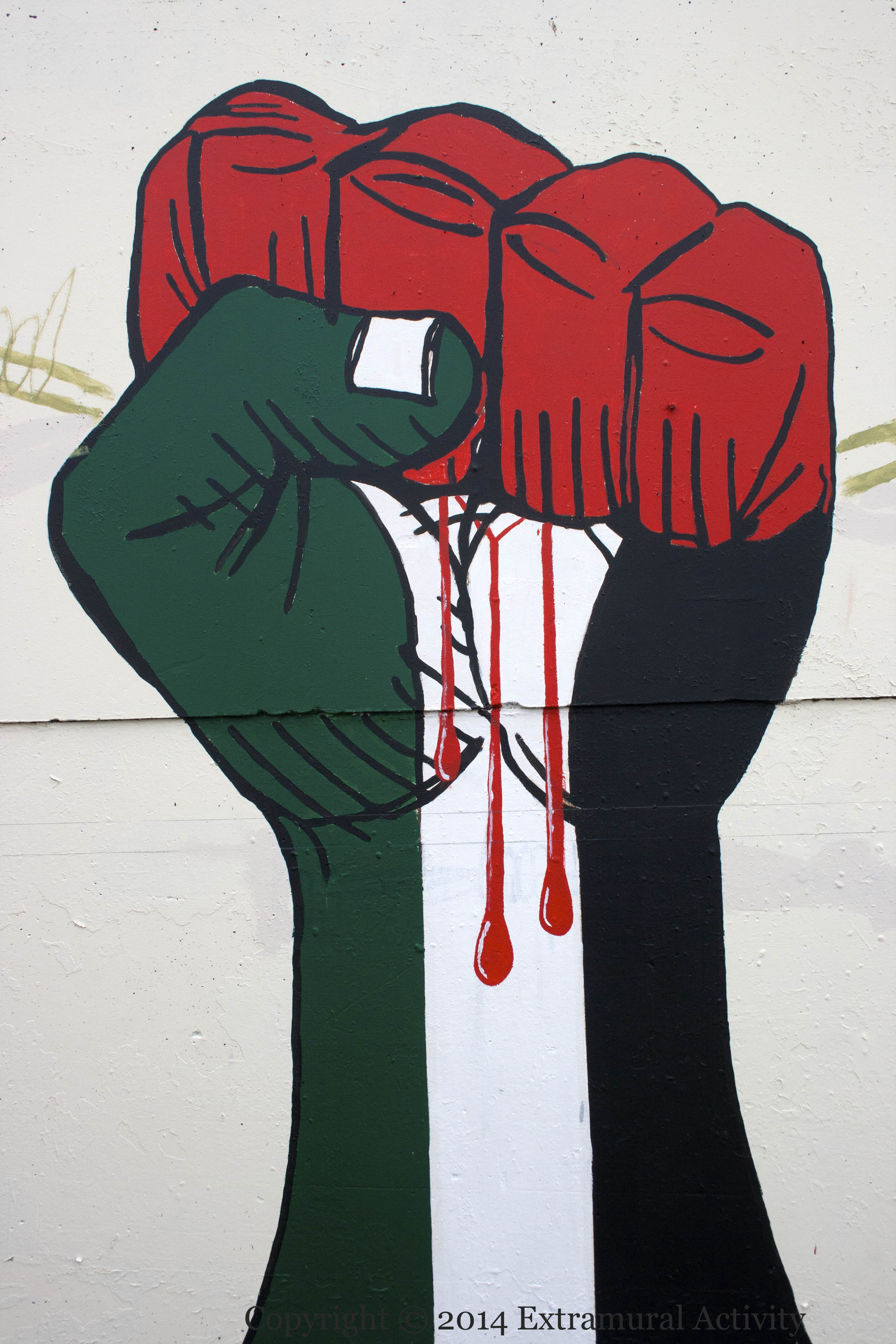
Above is another piece of the multi-panel work by Gerard Kelly (“Mo Chara”) at the top of Springhill, showing a forearm in the colours of the Palestinian flag with a fist clenched around a strand of barbed wire, causing blood to drip down.
Ligoniel (above) and New Lodge (below) copies of a JFTC2 (Justice for the Craigavon Two) stencil by Damian Walker of GaelForce. The Ligoniel location is proving controversial: Walker’s previous attempts have been painted over three times, according to an image in this 32 County Sovereignty post, which also alleges that Sınn Féın has been behind the removals. According to the Tele, a housing executive van was burnt out in response to one of the white-washings. There has been no such controversy in the New Lodge.
Previously: JFTC2 on the mountain | Justice in Hugo Street
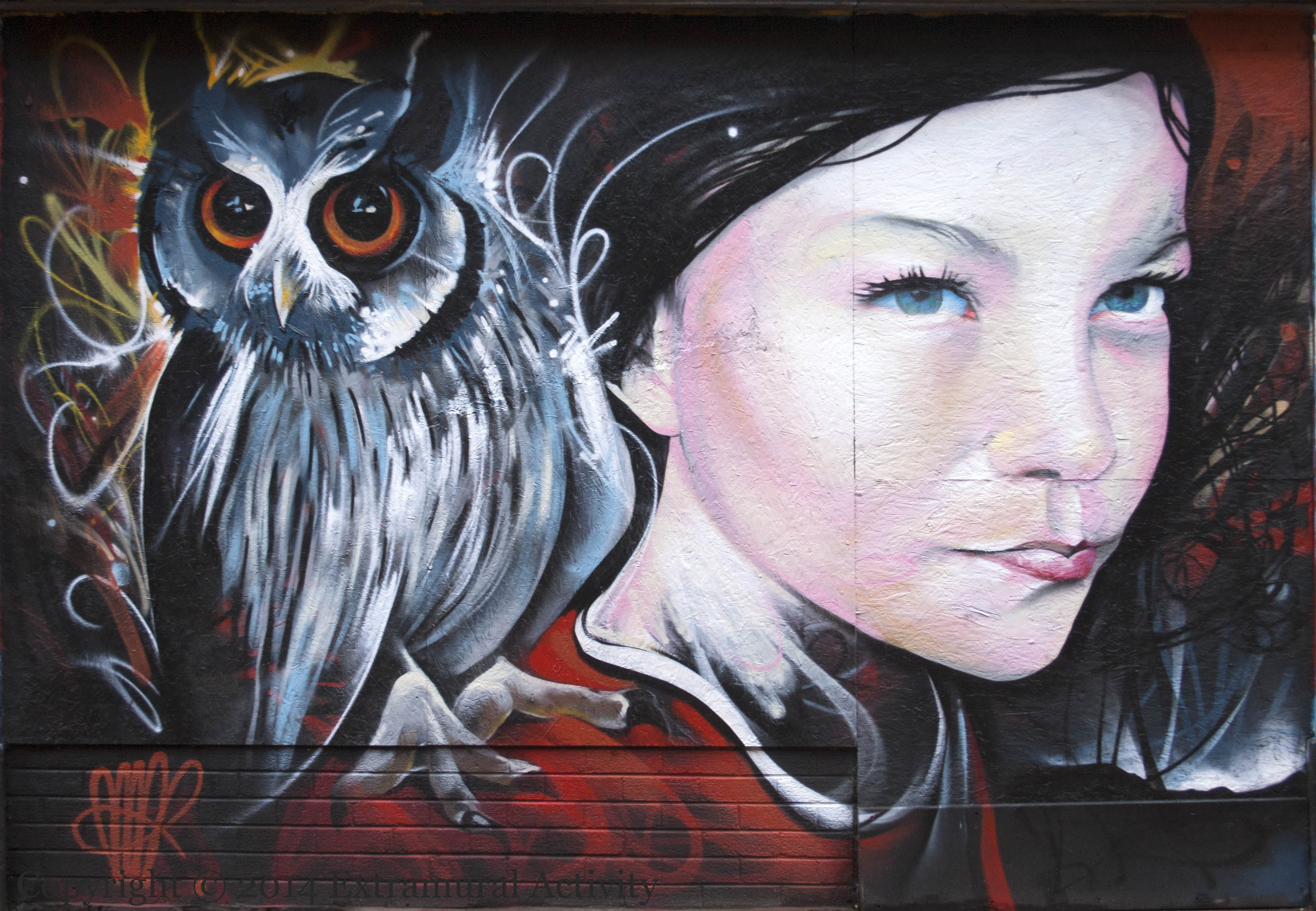
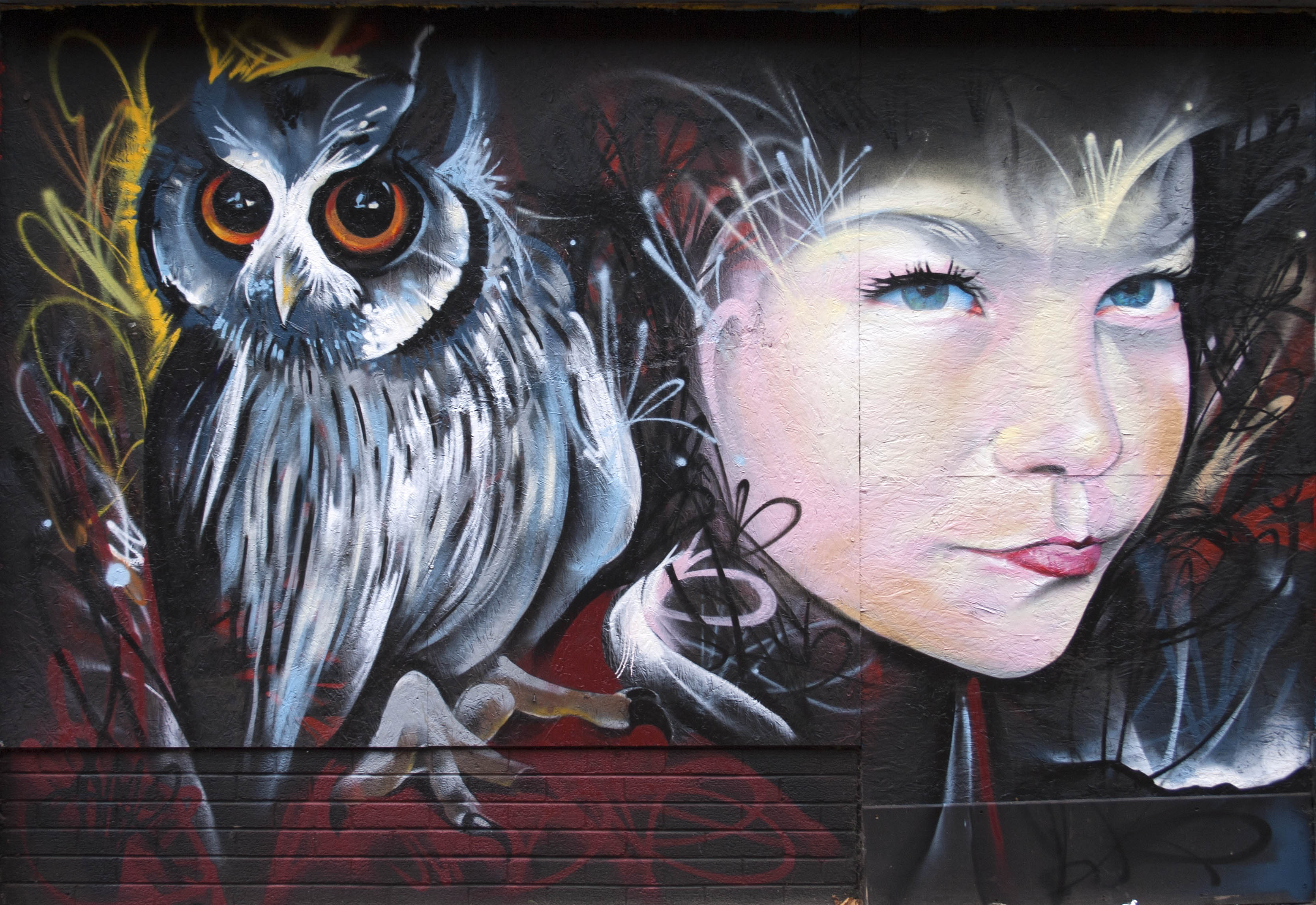
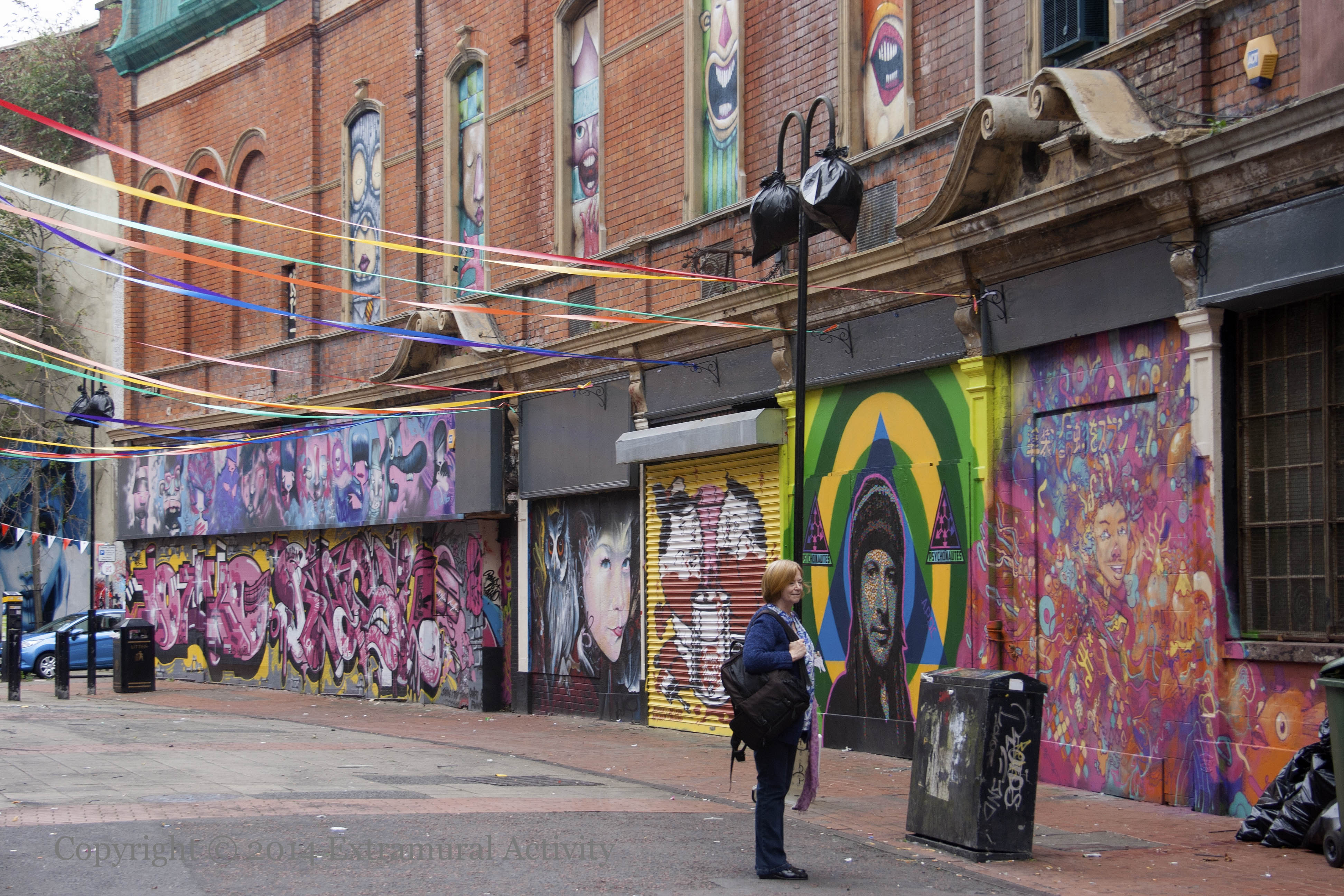
Below is a wide shot of the four new CNB14/Hit The North pieces; in addition to this piece, they are (from left-to-right) Fill Up On Colour by Conzo Throb | Tony Alva Soul Sailor by Psychonautes | The Imaginarium by Elph; also new is the ‘banner’ above the writing, by DMC. At the extreme left (across the street) can be seen DMC’s Long Runs The Fox.
The previous board in this location said “‘yes’ to a better future” beneath a tiger, a rainbow, and a DJ at his turntables (see an image at CCDL). That future, it seems, is to go back to a mural similar to the one prior to 2009 – You’re entering Loyalist Tiger’s Bay – though the explicit UDA/UFF insignia are gone, leaving only the clenched fist.
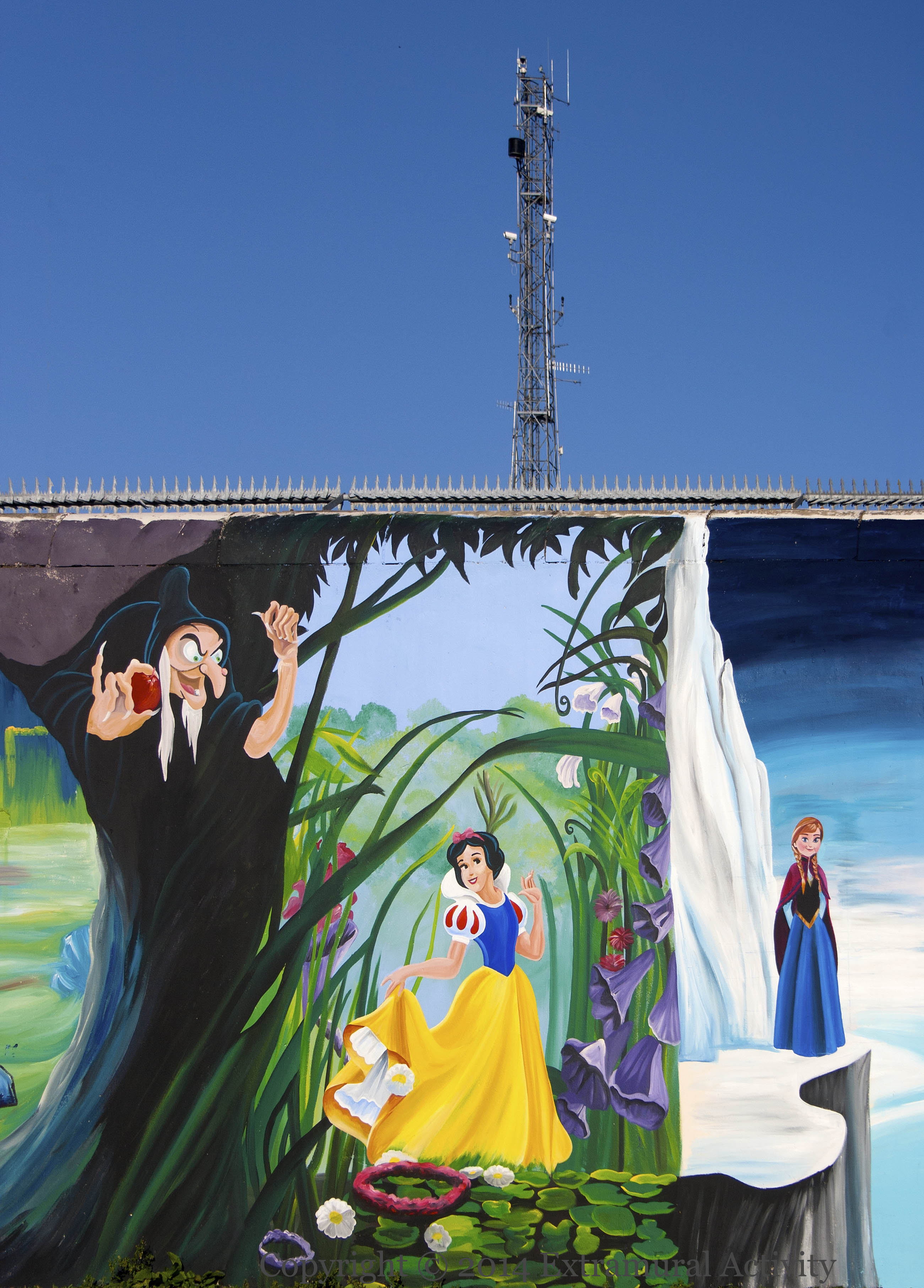
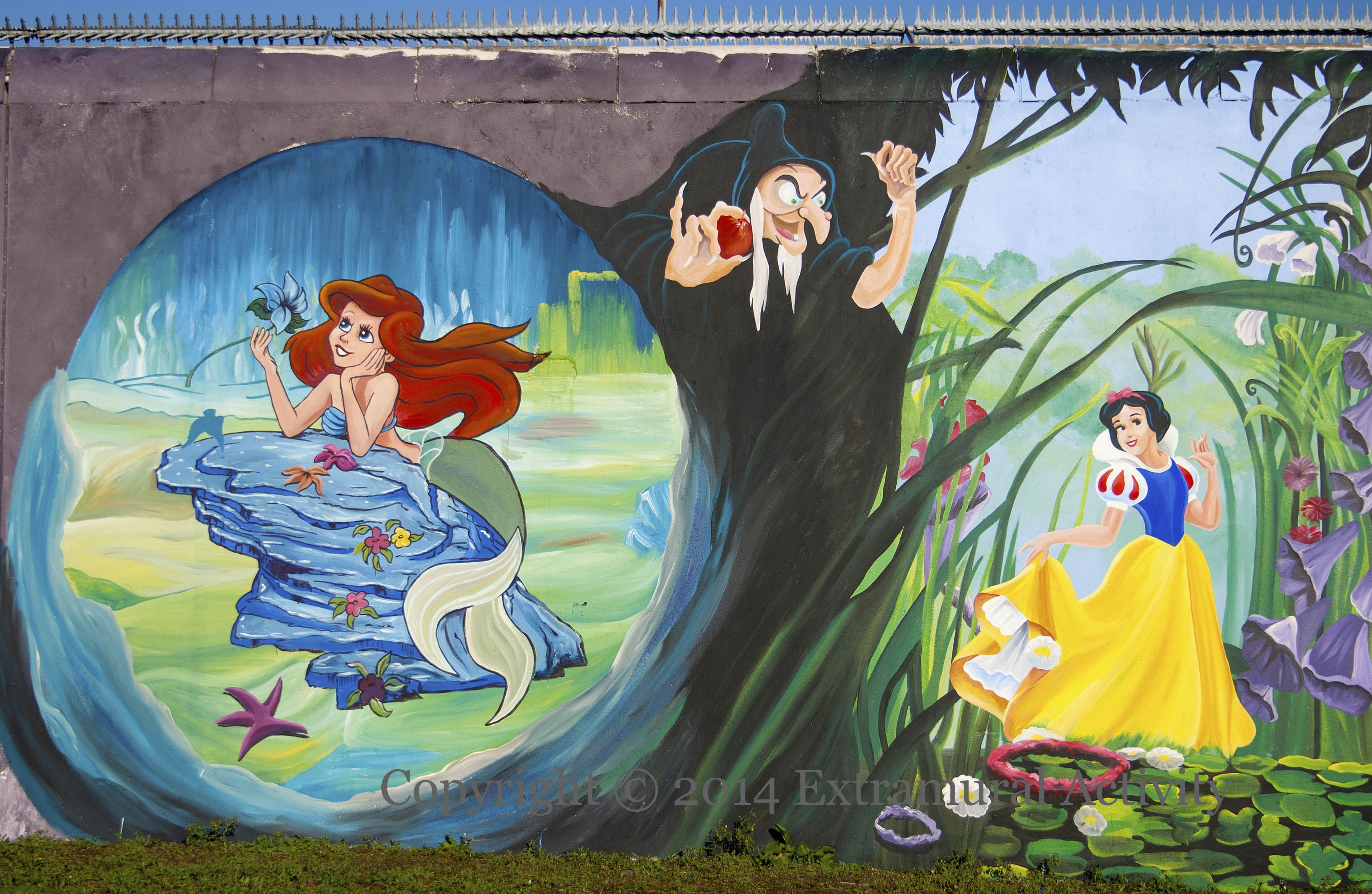
The Disney princesses (Snow White and Princess Anna, the younger sister from Frozen) are being watched, not just by the wicked witch, but by the communications tower on the Springfield Road barracks. There are two close-ups below, one of Ariel and Snow White, the second of Anna. The mural is new work by a local artist and local children in the Slıabh Dubh estate.
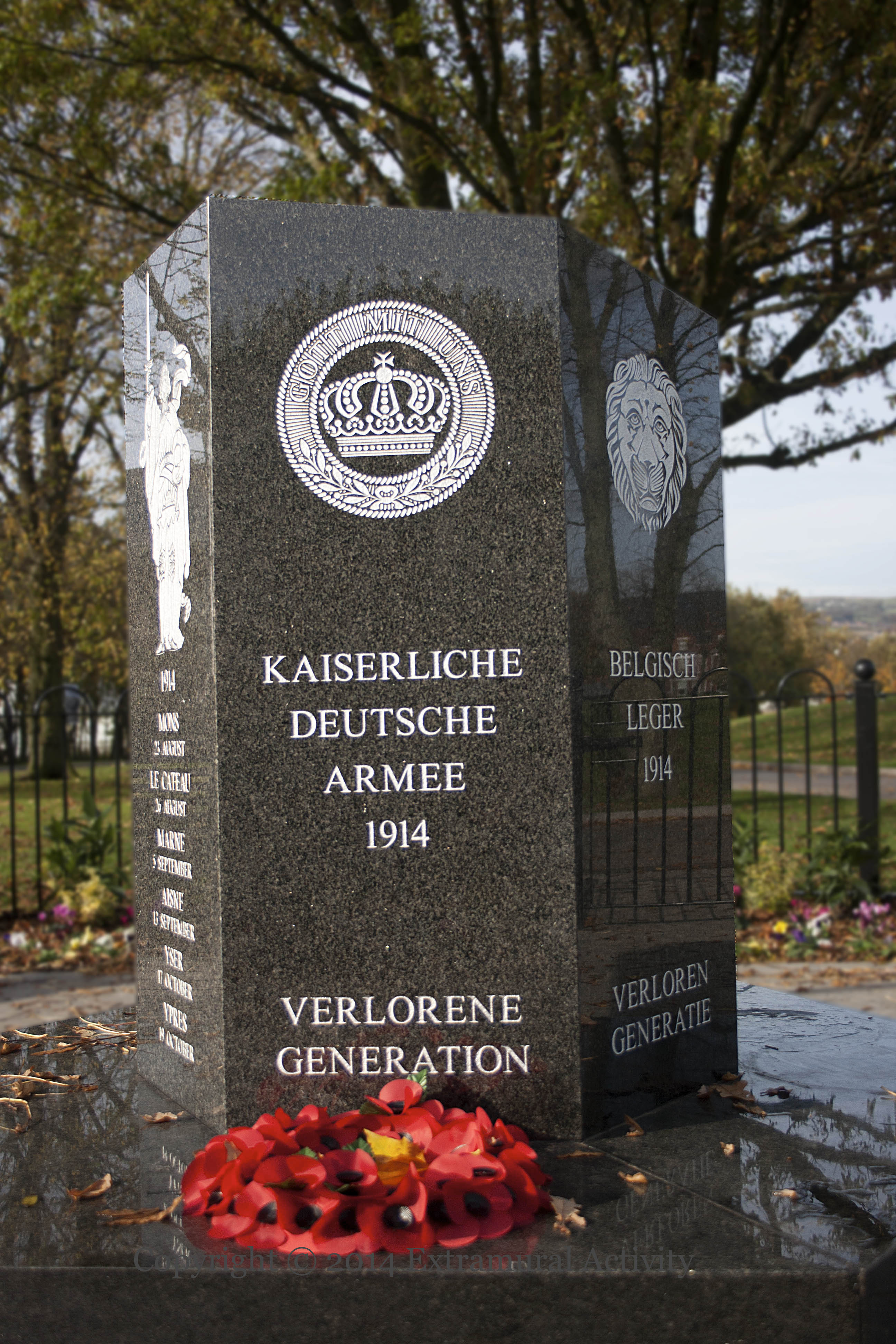
Approximately 10 million military personnel and 7 million civilians died in WWI, with massive losses coming in August-September-October of 1914, as German forces invaded Belgium and northern France, before being stopped at the Marne and entrenching at the Aisne; both sides then attempted to out-flank one another in a “race to the sea” (WP – Invasion | WP – Casualties). The dead of those first months – including German forces (see third image, below) – are commemorated in a new monument, a granite stone with six sides, like a rock from the Giant’s Causeway, in Woodvale Park (BelTel | NewsLetter). A searchable database of 10,000 Irish soldiers who died in Belgium is now available at the In Flanders Fields Project.





 Extramural Activity