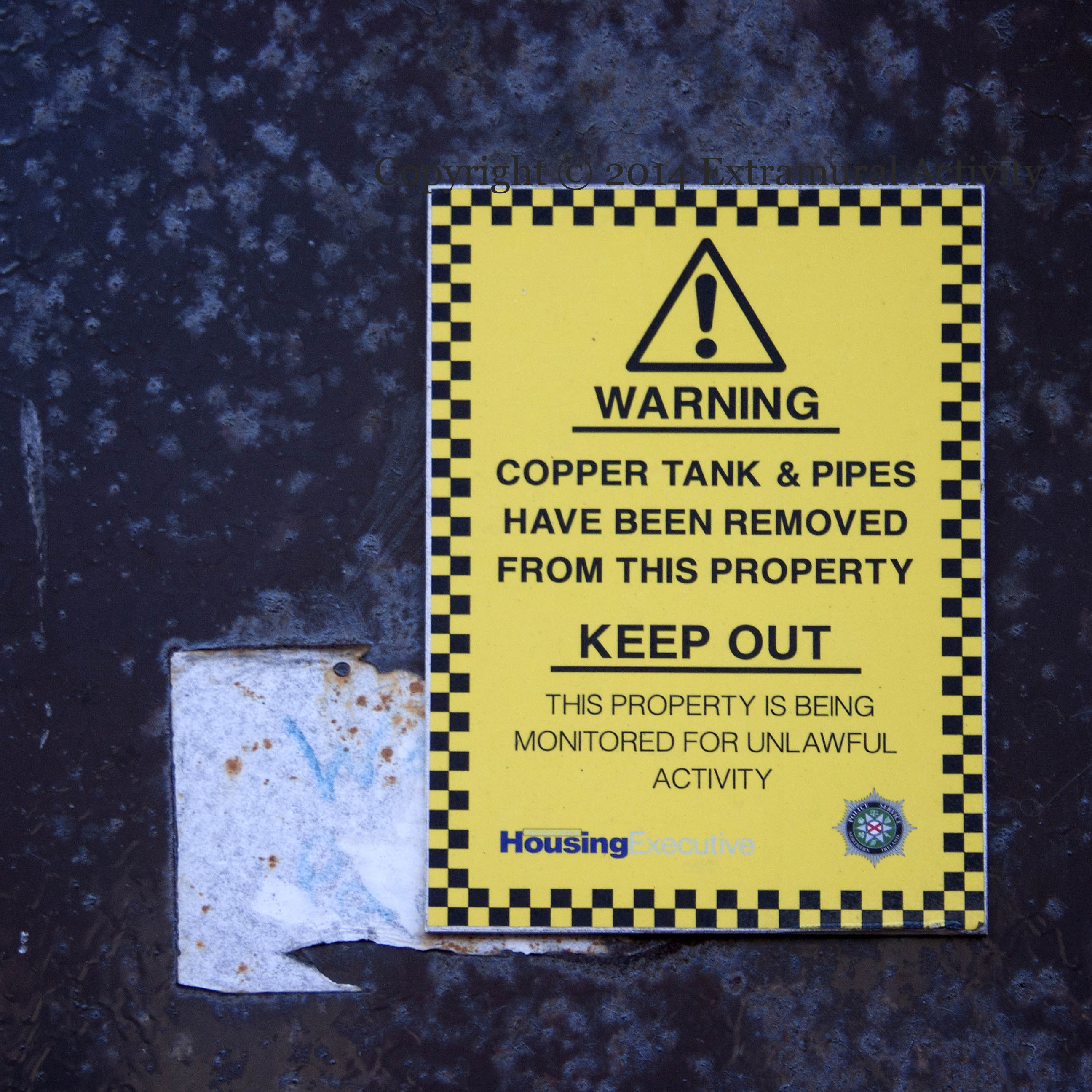
Vacant houses are targets for thieves stealing copper tanks, pipes, and wiring, which they sell to unscrupulous scrap-metal dealers. In one case, the theft caused a gas leak which resulted in houses being evacuated (BelTel). The Housing Executive now removes the copper from empty residences and replaces it when the resident moves in, at a cost of about £3,000 (BBC-NI).
“Warning: Copper tanks and pipes have been removed from this property. Keep out. This property is being monitored for unlawful activity.”
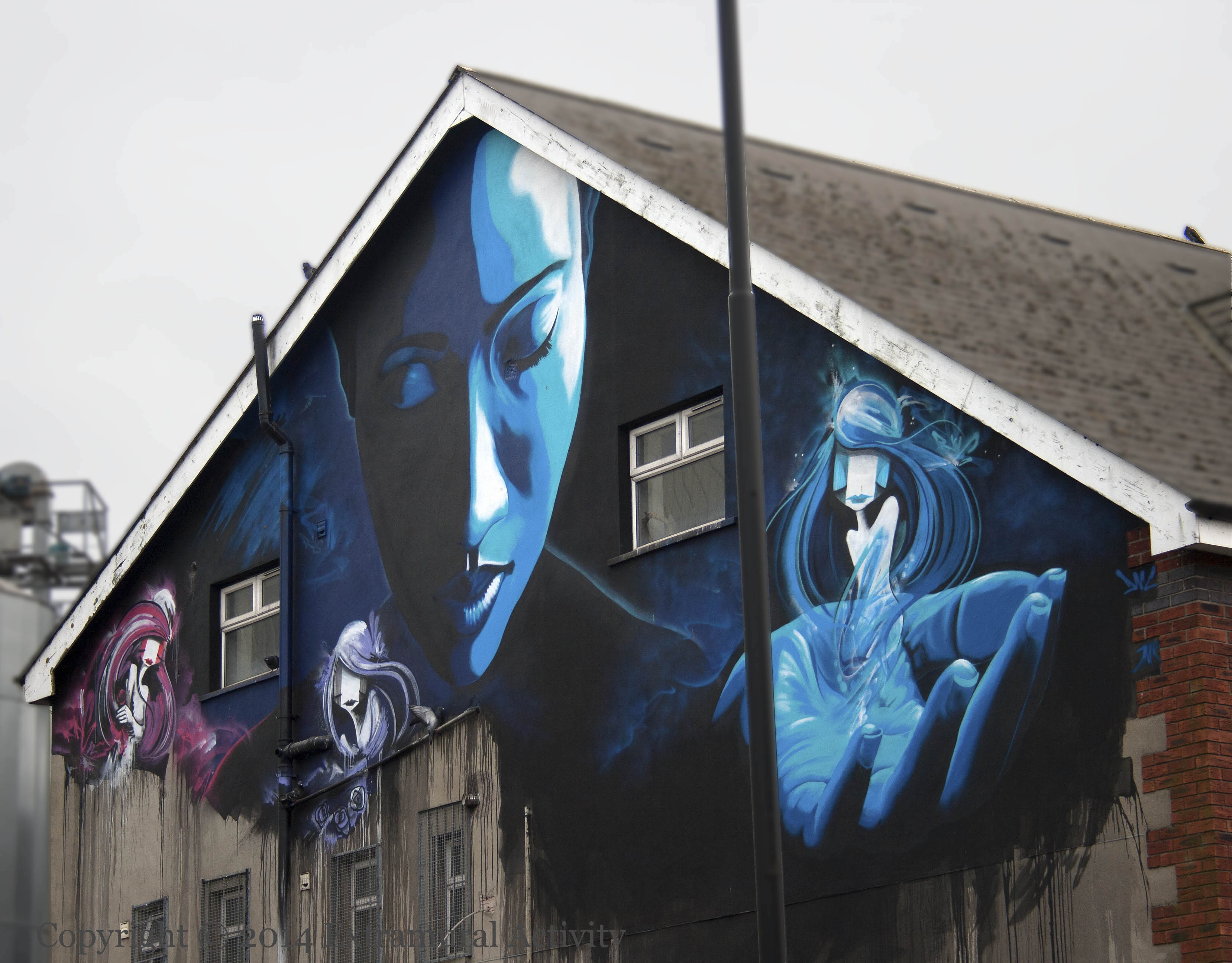
Arts For All (Fb | Web) is a community arts organization in north Belfast, sponsoring workshops and events, giving space to artists-in-residence, and putting on exhibits in its John Luke Gallery. The image above is of the mural on the side of their own building on the York Road, painted in 2012 by JMK (Jonny McKerr) and DMC (Dermot McConaghy) – their signatures can be seen on the brickwork at the right. Arts For All were also one of the sponsors of the recent WWI mural by Jonny in Tigers Bay: The Undertaker | The Home Front.
The final spot on Northumberland Street (see previously: Reserved) was taken in September by this mural for Youth In Motion’s ‘Bytes’ project, which seeks to build basic skills and assist job-seekers (Fb | Web (YIM) | Web (Bytes)).
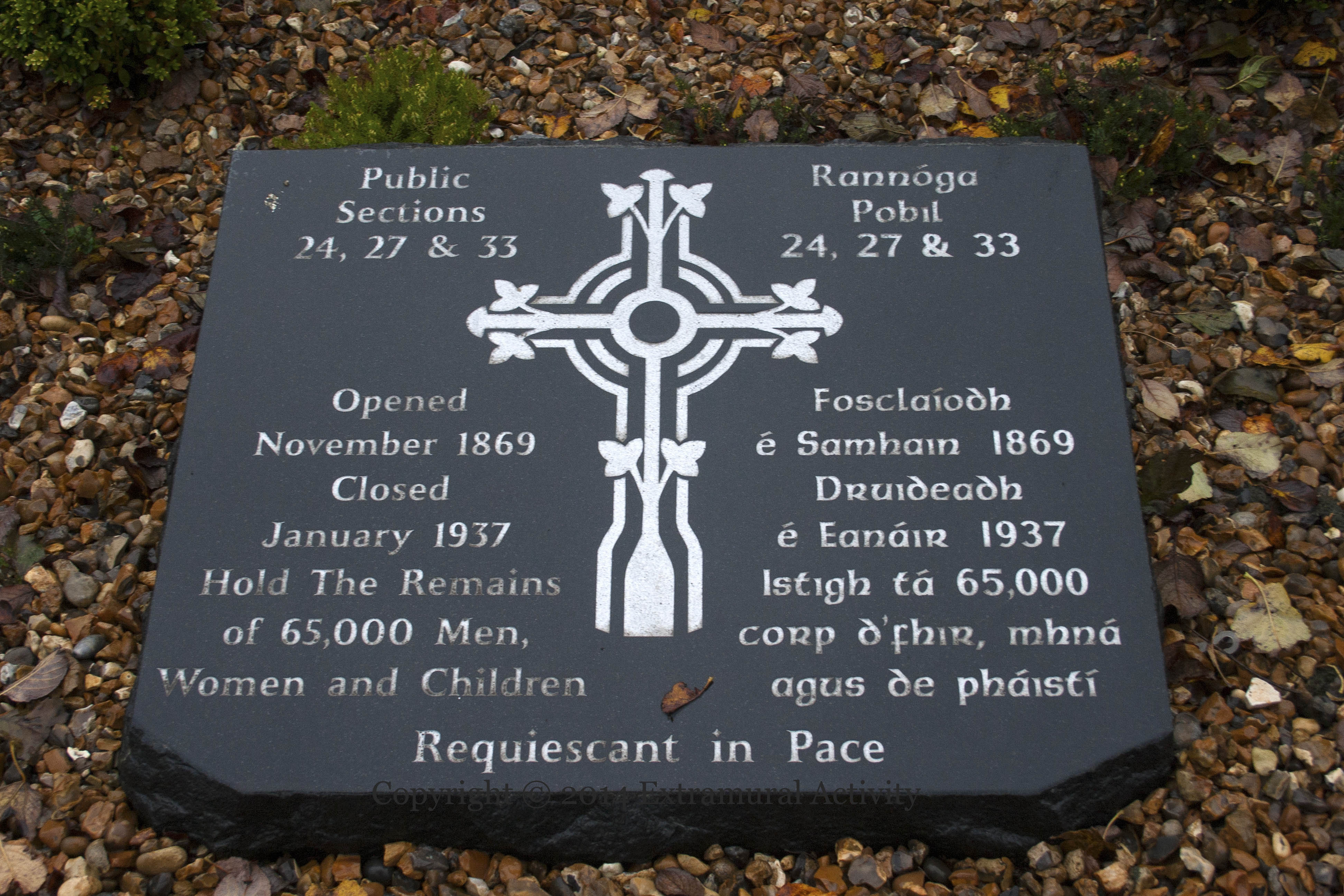
Milltown Cemetery contains what appear to be three large, unused, spaces (see the second and third images, below). They are in fact the Poor Grounds, mass graves of those unable to afford an individual grave. The plaque shown above puts their number at 65,000; WP puts it at 80,000. (The total number buried is about 200,000.) They include victims of typhus in the 1870s, and of the great influenza pandemic of 1918-1919. There is more information at CultureNI and Milltown Cemetery.Tom Hartley’s book on Milltown was released by Blackstaff Press last year (2014).
“Public Sections 24, 27 & 33, opened November 1869, closed January 1937, hold the remains of 65,000 men, women and children. Rannóga pobıl 24, 27 & 33 fosclaíodh é Samhaın 1869, druıdeadh é Eanáır 1937. Istıgh tá 65,000 corp d’fhır, mhná agus de pháıstí. Requiescant in pace.”
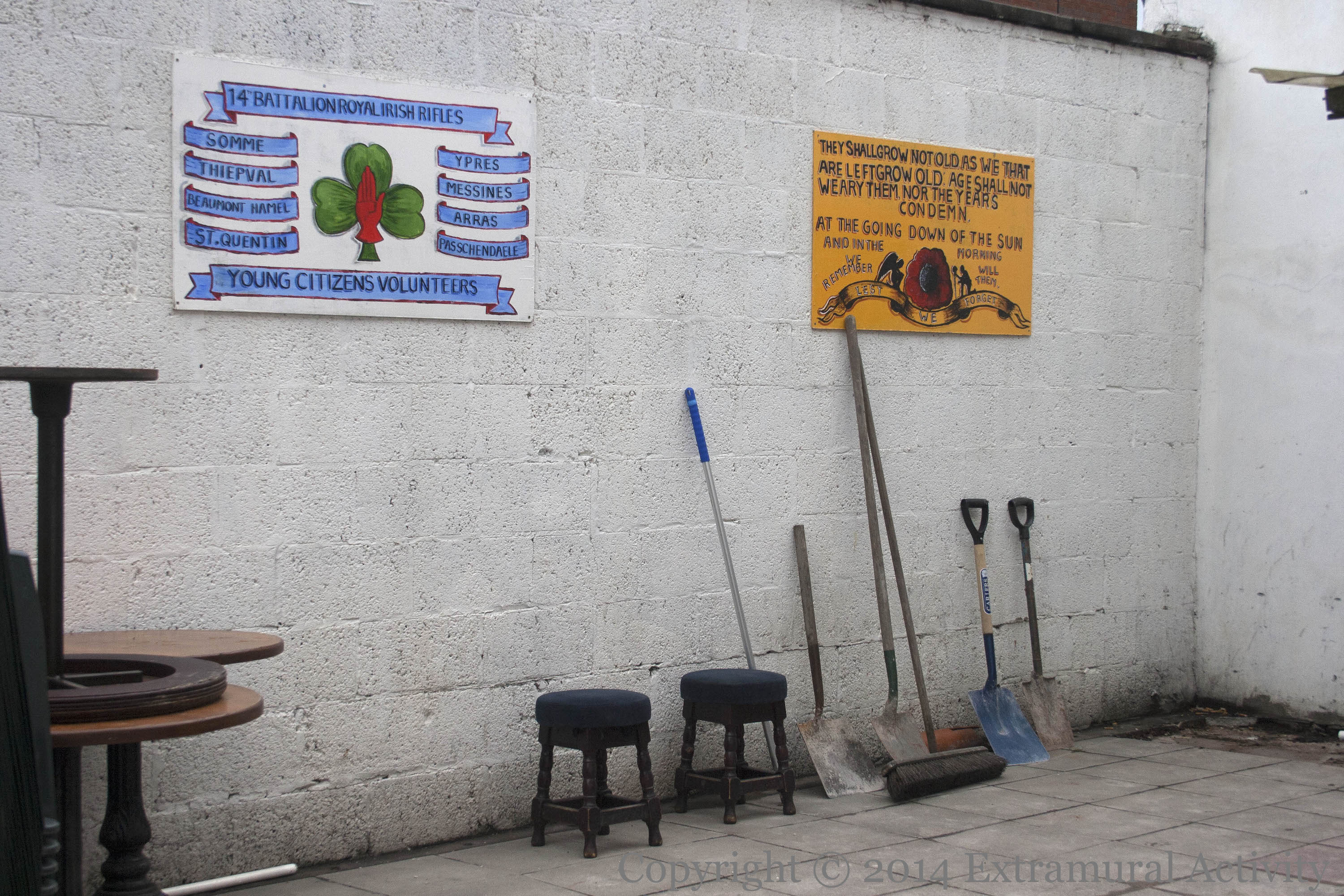
A selection of shovels and brooms stand to attention in the courtyard of The Hideout bar, in Donegall Pass, beneath boards to the 14th battalion of the Royal Irish Rifles and soldiers in WWI.
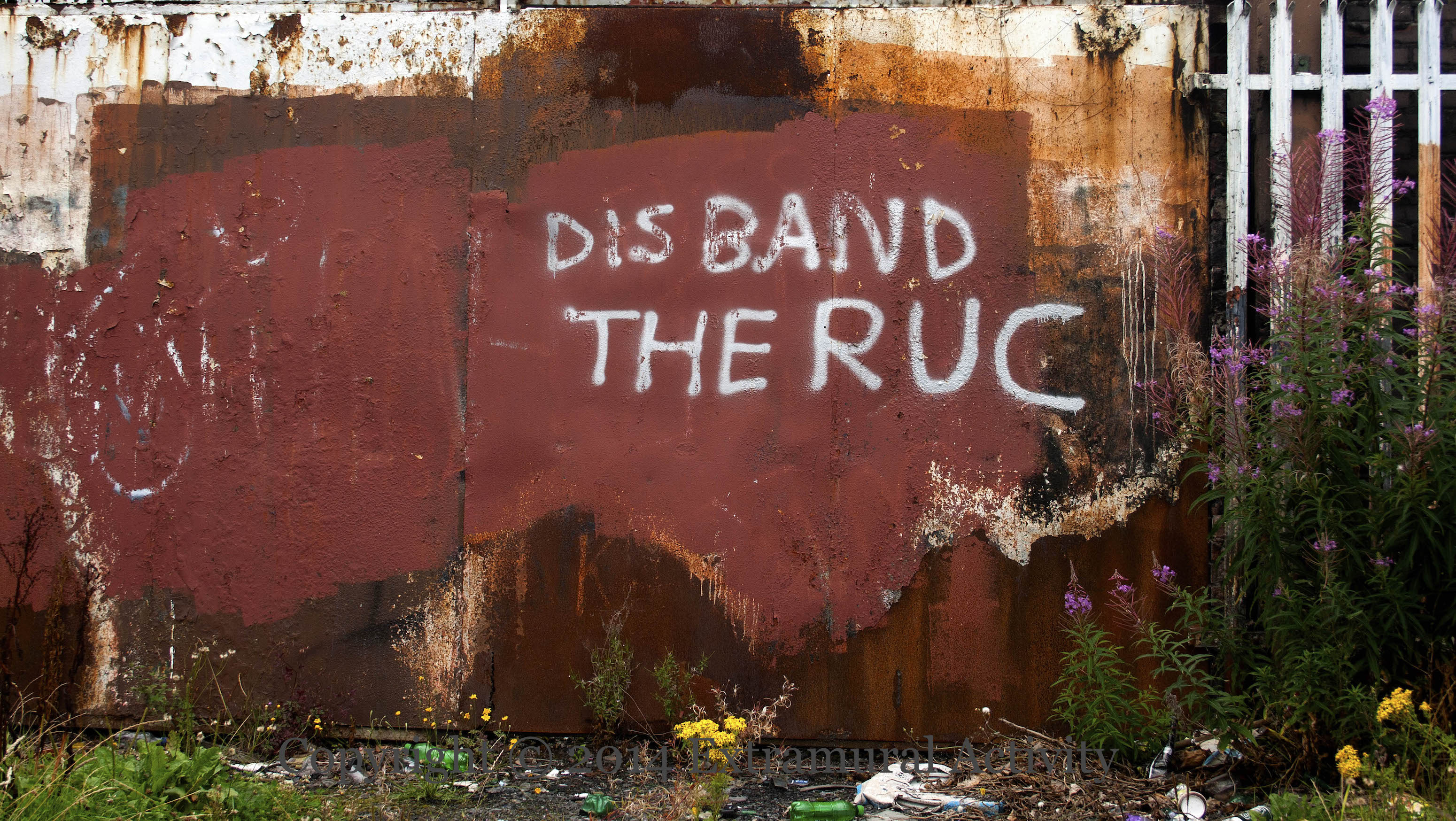
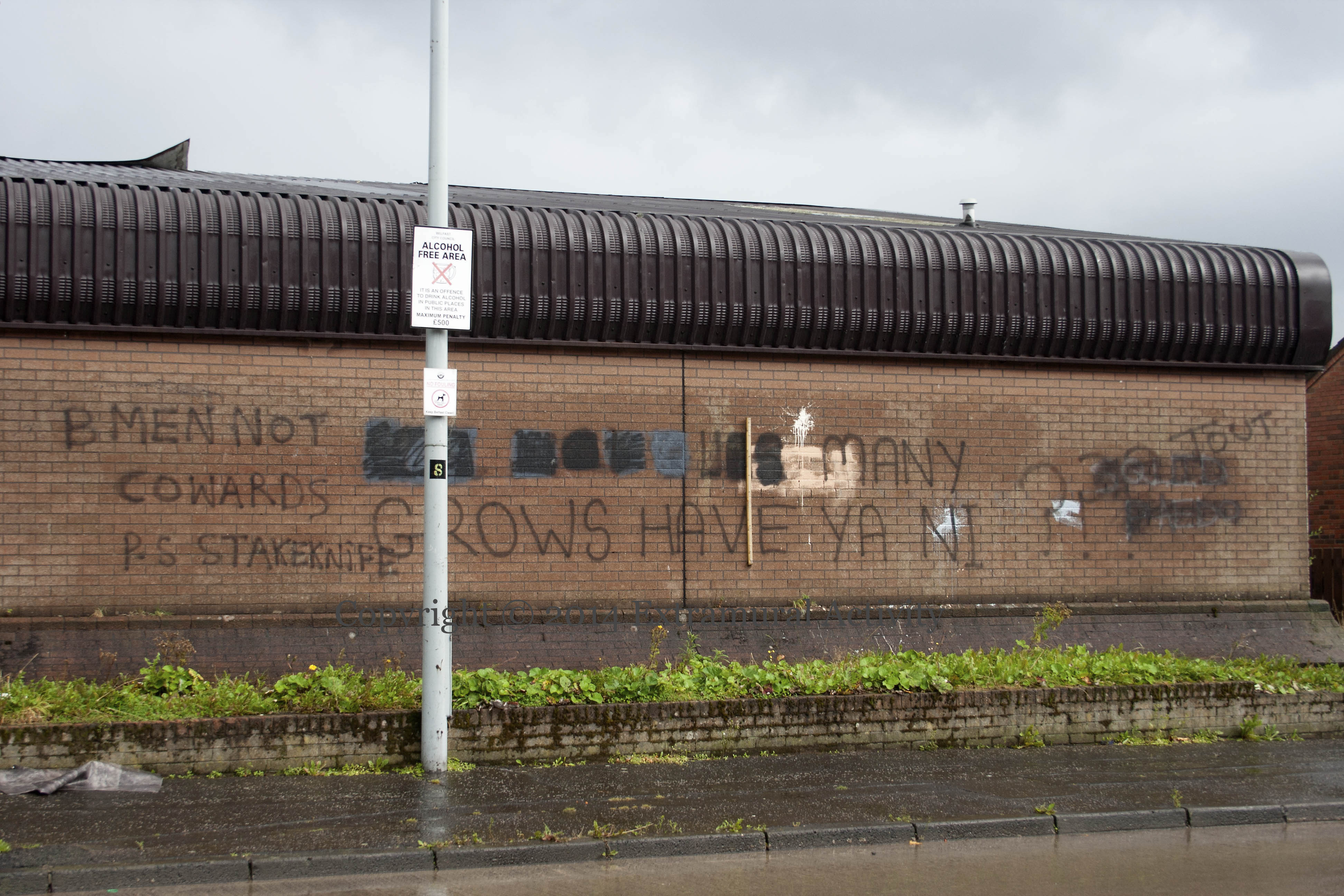
Old graffiti doesn’t go away. It persists, witness to the aspirations and angers of years past.
Above, “Disband the RUC” in Bóthar Chaıtríona/St. Katharine’s, republican west Belfast. Below, “If the leaders are impotent… only the people can rise” – anarchist graffiti in Melrose Street and “B-Men not cowards” in Agnes St, Loyalist west Belfast. These are all late-2014 pictures of graffiti that are at least three years old.
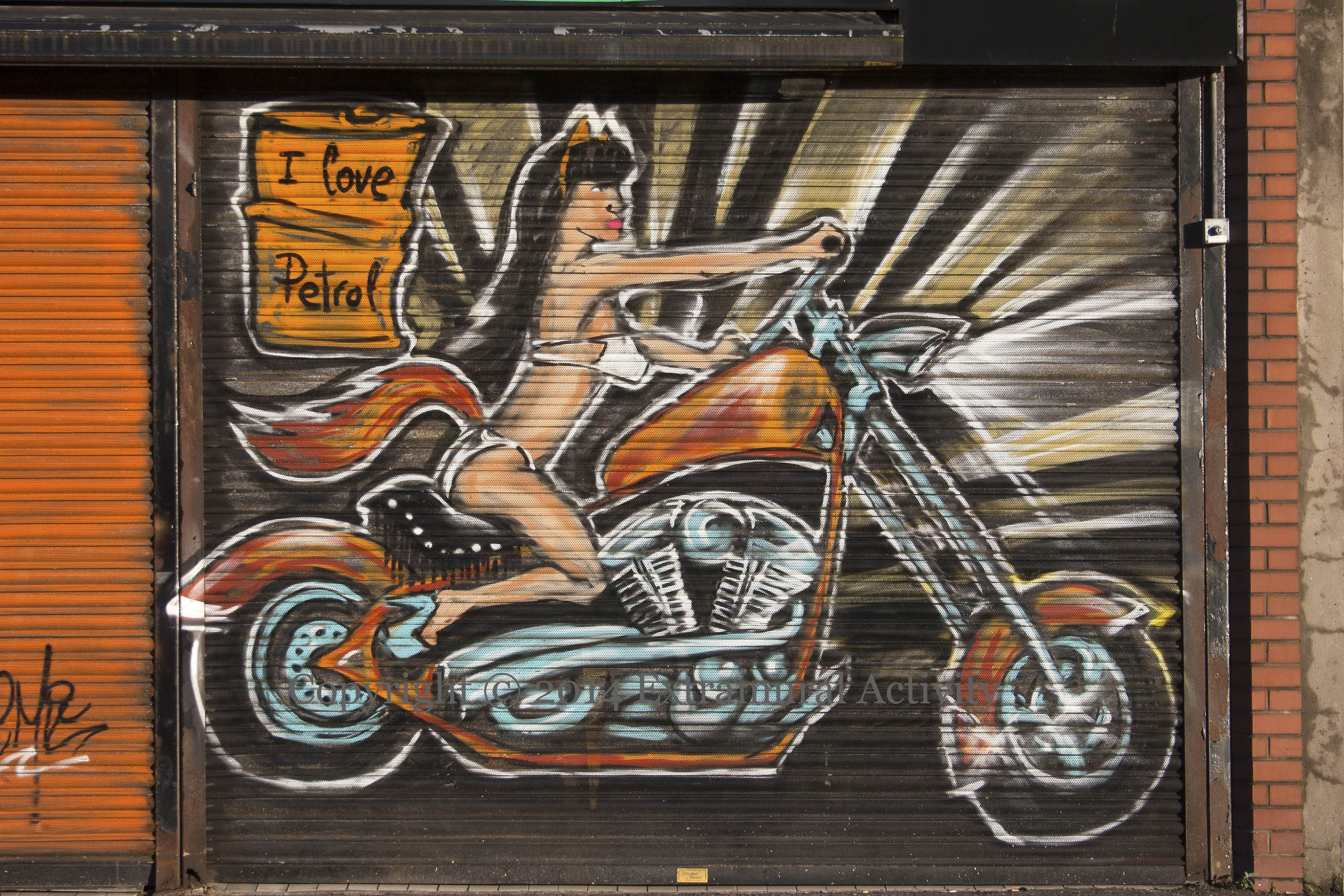
Spanish artist Marta Revillas (Web | Fb) painted the remaining shutter on the Bigg Life Arts centre. Her piece depicts a bikini’ed woman with fox ears and tail astride a motorcycle with an extended fork. Launched 2014-09-26. For the other shutters, see Lost In The Music and Art Lab.
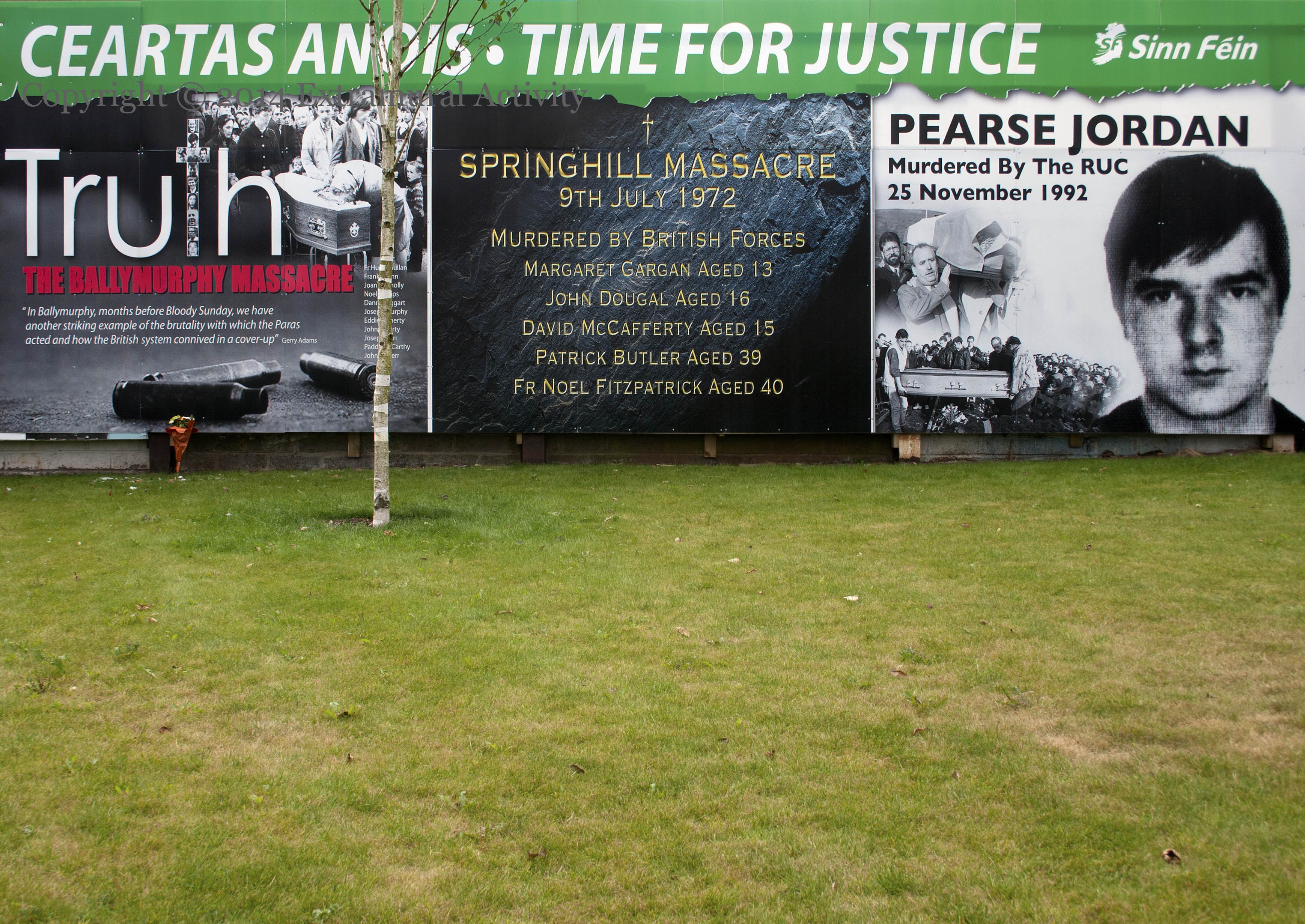
Three different campaigns for inquiries into deaths at the hands of British paratroopers are brought together into a single board on the site of the former Andersonstown RUC station: the Ballymurphy Massacre of August, 1971, in which 11 were killed; the Springhill Massacre of July 1972, in which 5 were killed, and the killing of IRA volunteer Pearse Jordan, who, like the others, lived in the greater Ballymurphy area.
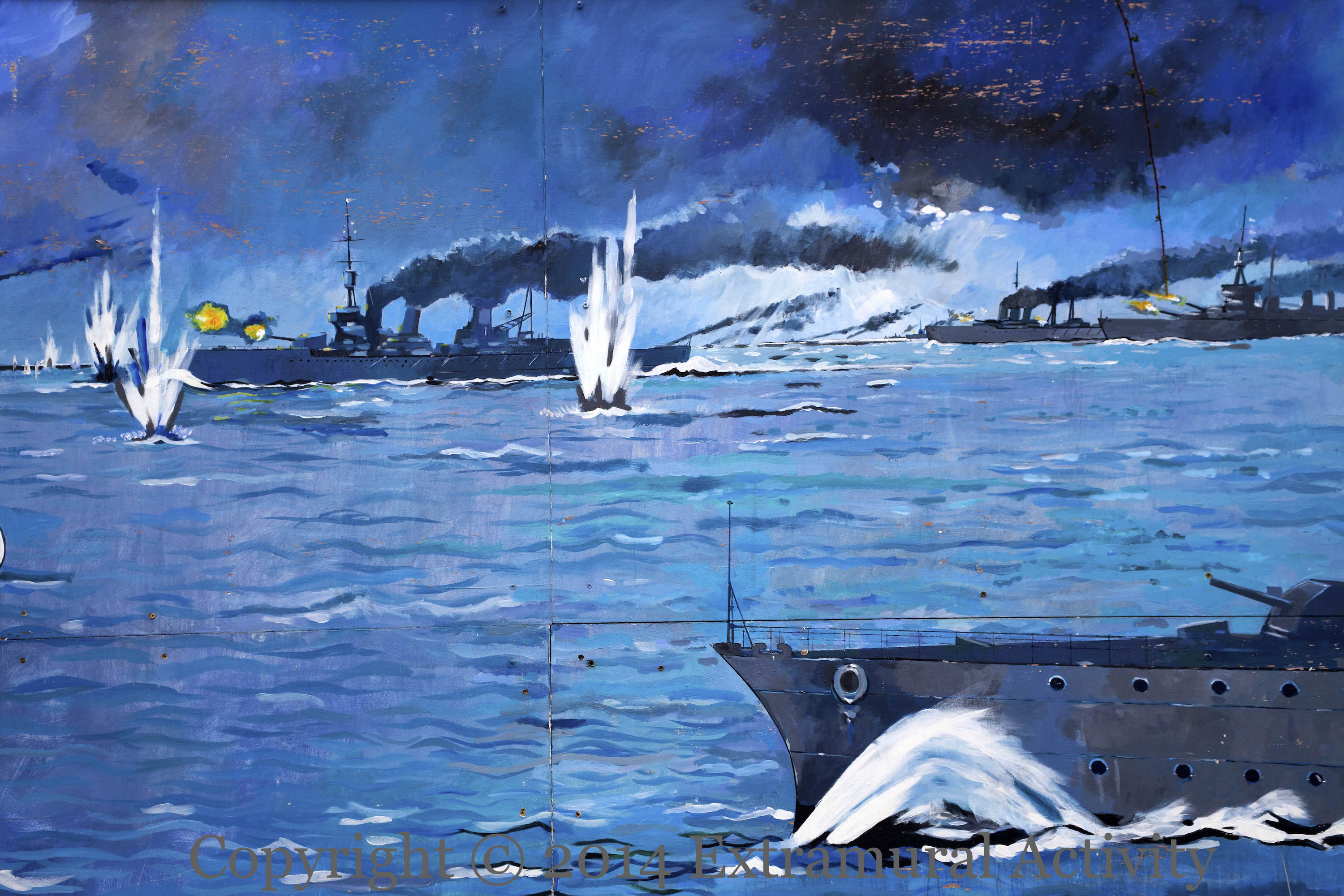
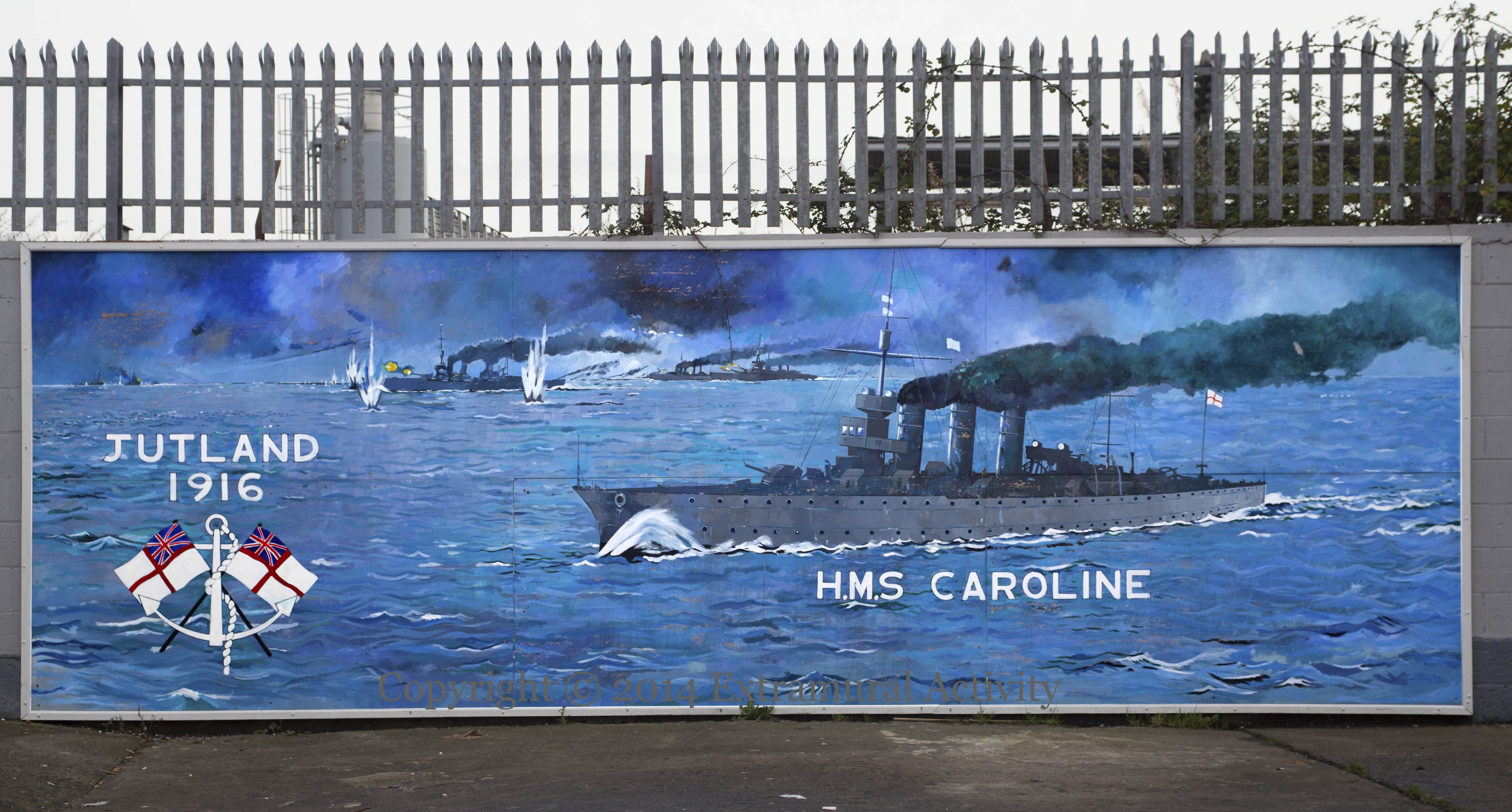
HMS Caroline’s connection to Belfast is that she served as the headquarters for the Royal Naval Reserve in Alexandra Dock. Originally built in 1914, she served in the Grand Fleet and took part in the battle of Jutland on May 31st, 1916, as shown in the images above and below. She was decommissioned in 2011; it is hoped to open her as a museum and visitor attraction by the time of the centenary of the battle (WP). The Daily Mail has a gallery of images of the ship in its current state. Also present at the battle of Jutland, as captain of HMS Nestor, was Commander (later Sir) Edward Bingham.
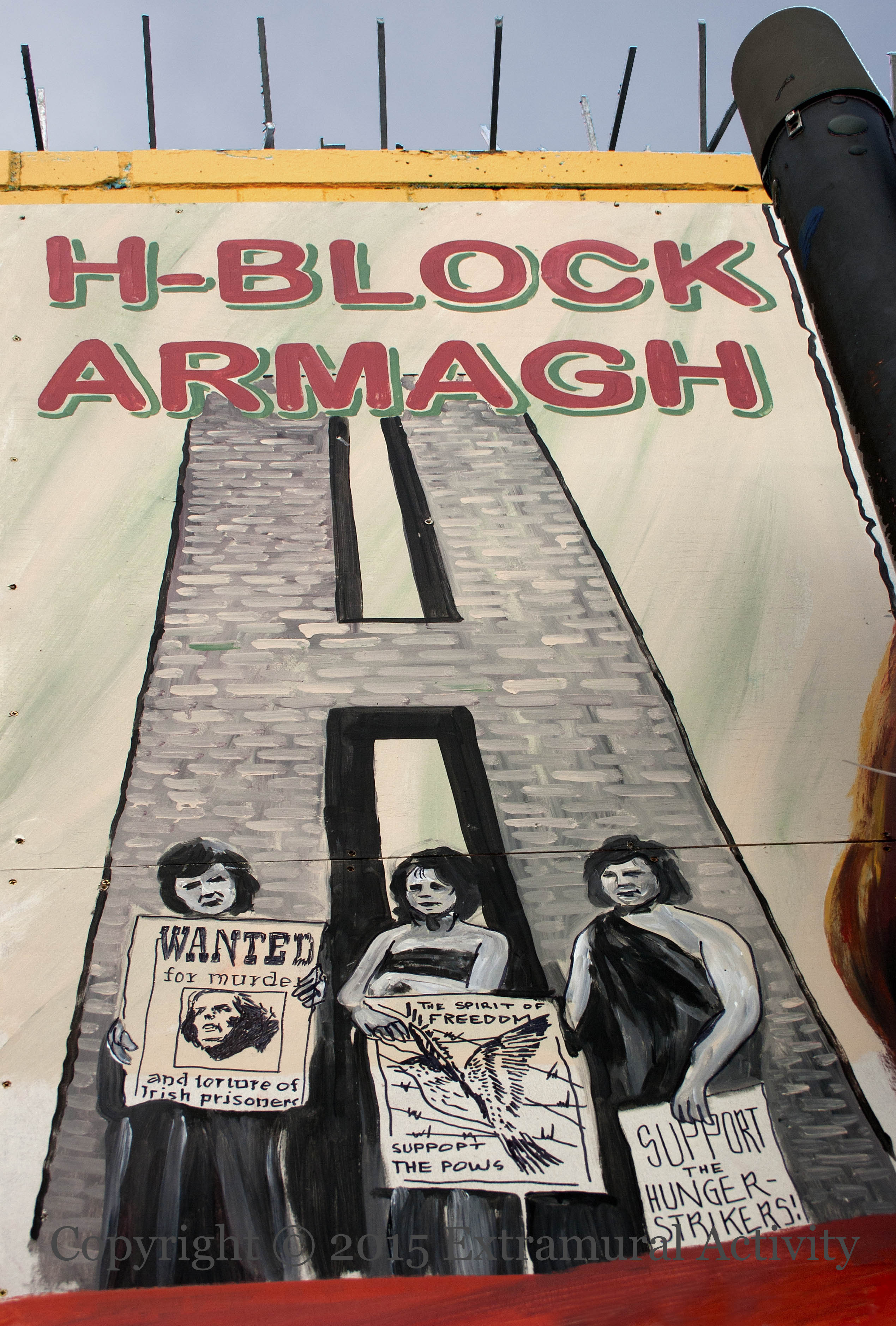
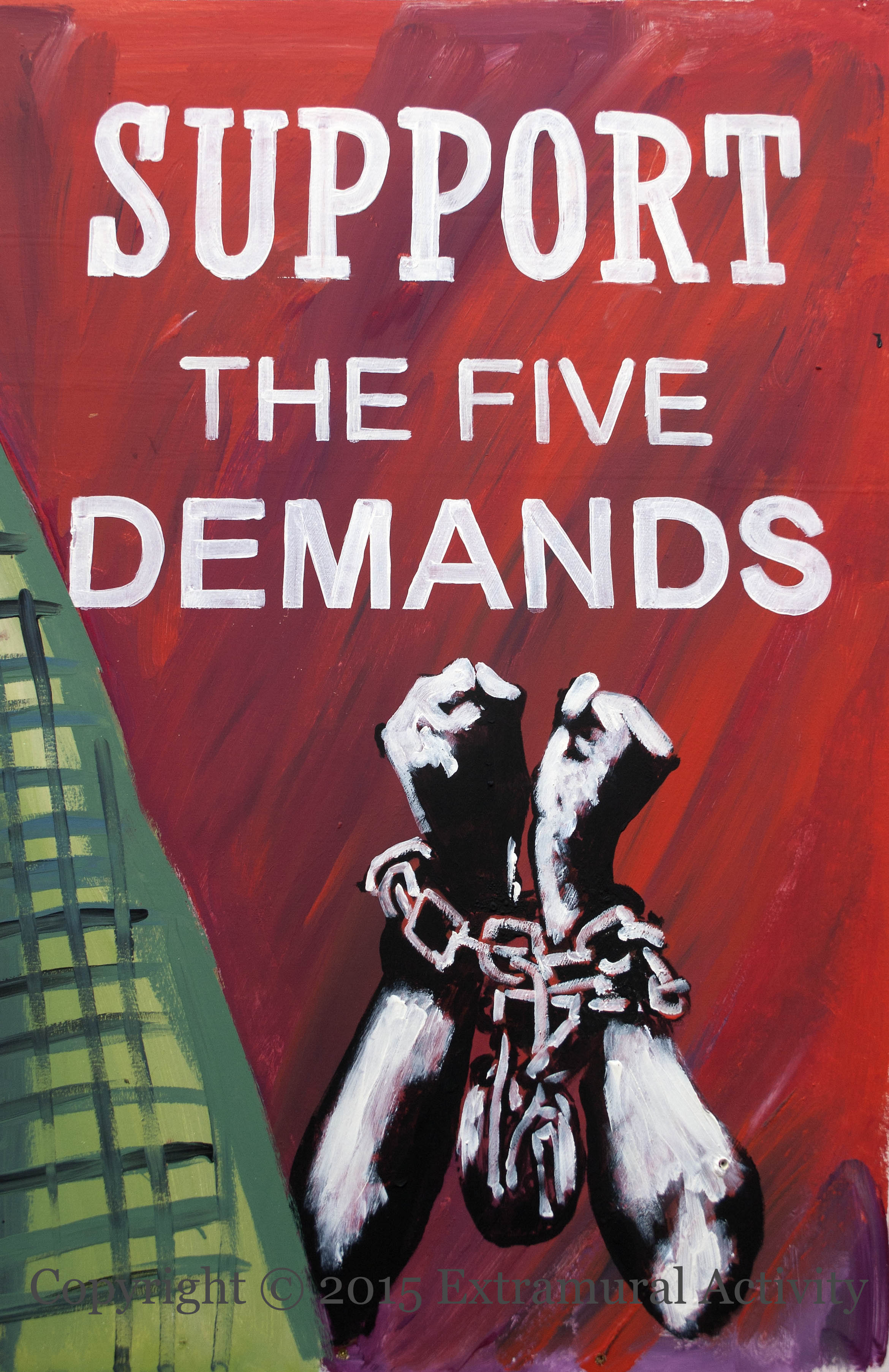
Here are two details from the new Kieran Nugent board along with the “Slí Na Gaeltachta‘ (The Gaeltacht Trail) plaque at its side. The image above shows prisoners “on the blanket” (that is, refusing to wear prison uniforms) in front of a giant brick “H” (for the H-Blocks) which perspective also shapes into an “A” (for Armagh Women’s Prison). They hold placards from the time: Wanted for murder [Margaret Thatcher] and torture of Irish prisoners”; “The spirit of freedom; support the POWs”; “Support the hunger-strikers”. The image below reads “Support the five demands”. These were (1) the right not to wear a prison uniform; (2) the right not to do prison work; (3) the right of free association with other prisoners, and to organise educational and recreational pursuits; (4) the right to one visit, one letter and one parcel per week; (5) restoration of remission lost through the protest.
The text of the Slí Na Gaeltachta plaque can be found at the bottom of this page.
“Slí na Gaeltachta – Abhaınn na Feırste. Cé go bhfuıl sí cludaıthe faoı choıncréıt anoıs agus gan a bheıth le feıceáıl, ıs ag an láthaır seo ar Shráıd Northumberland a chéadtrasnaıonn Abhaınn na Feırste Bóthar na bhFál. Aınmníodh an abhaınn as an fhearsaıd a bhí ag béal na habhann san áıt a dtéann sí ısteach sa Lagán. Baısteadh Béal Feırste ar an lonnaíocht a d’fhás thart ar áth cosanta ag cumar an dá abhaınn. Ba as an lonnaíocht ársa sın a d’eascaır cathaır an lae ınnıu. Here at Northumberland Street the now culverted Farset River first crosses the Falls Road. The river is named from the sandbank (fearsaıd) which was at the mouth (béal) of the river where it joins the Lagan. The settlement that grew up around a defended river ford at this confluence of the two rivers was named Béal Feırste, ‘mouth of the sandbank ford’. It was from this ancient settlement that the present-day city grew.”







 Extramural Activity